
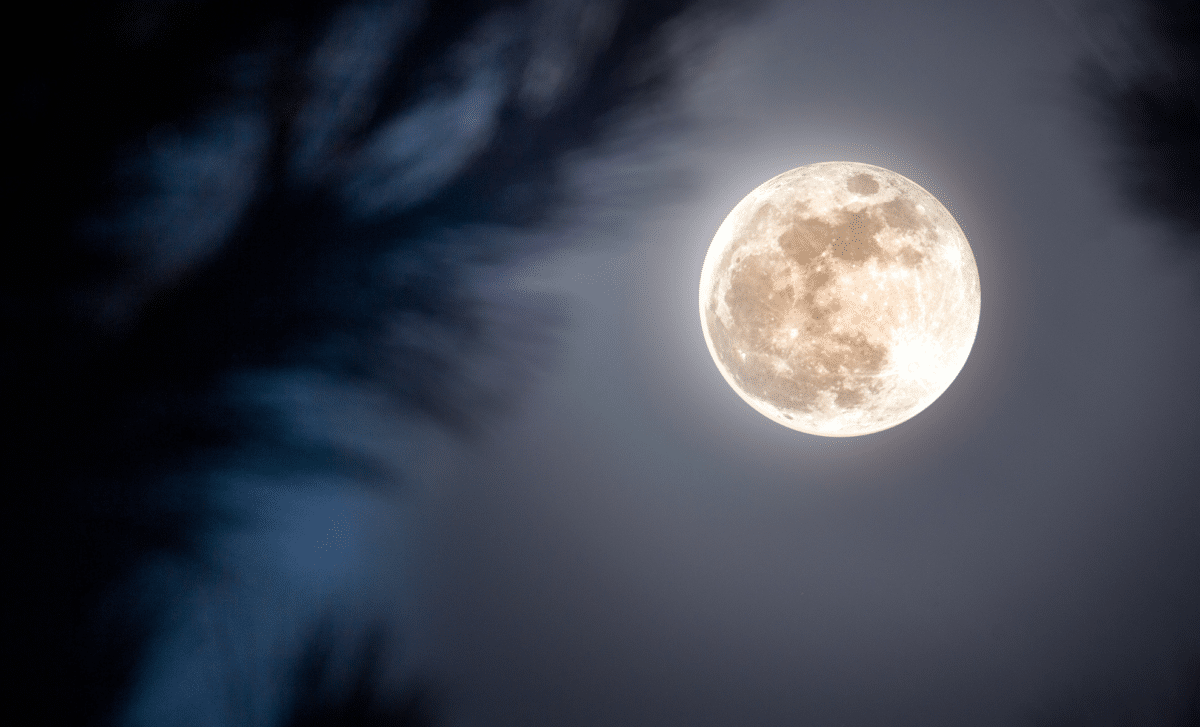
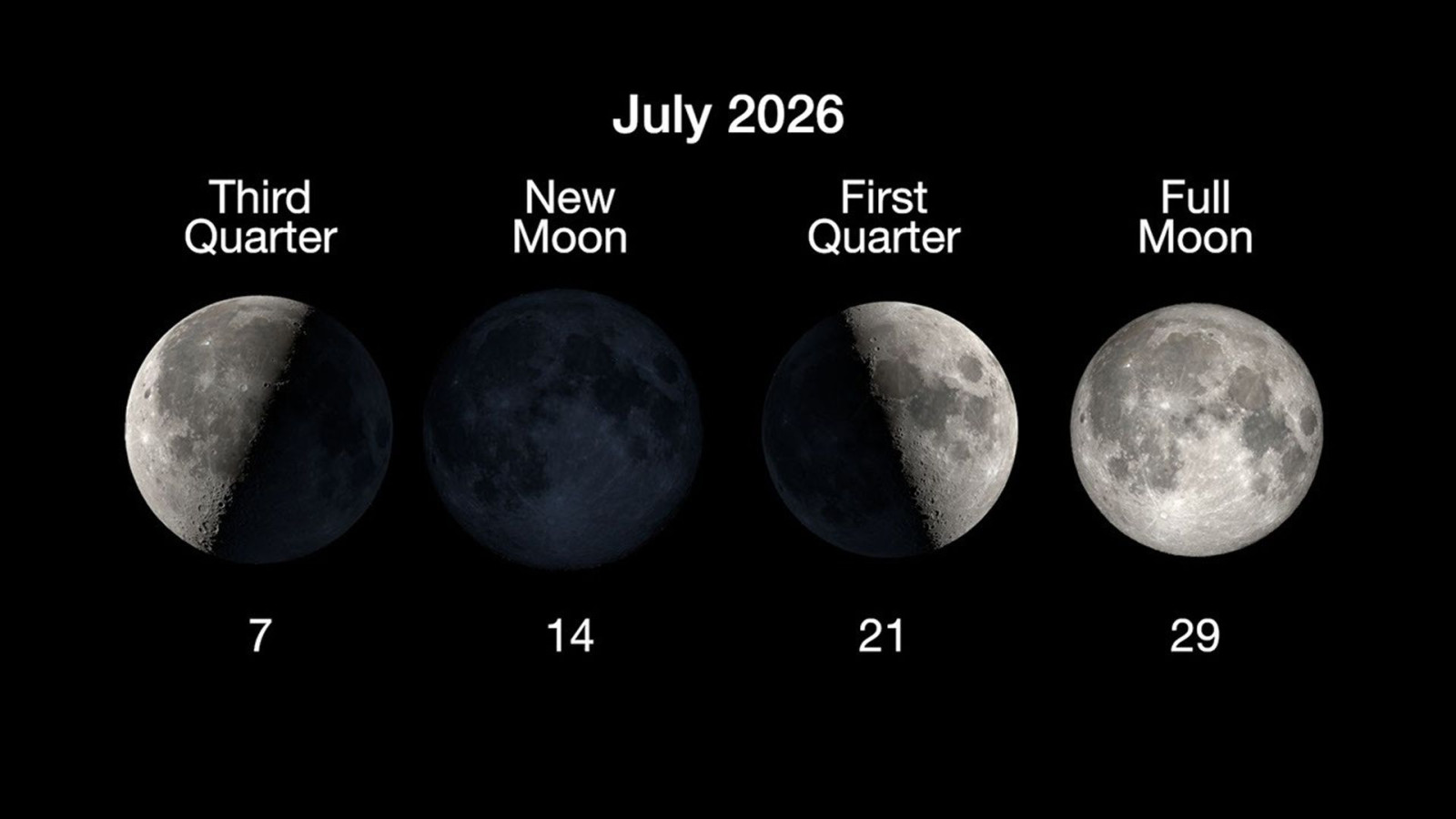
This summer, on July 29, 2026, sky enthusiasts worldwide will have a chance to admire the luminous Buck Moon as it reaches full brightness. Rising dramatically near the horizon, this full moon will glow with deep golden and orange tones, creating a breathtaking celestial display.
What Makes the Buck Moon a Standout Summer Phenomenon
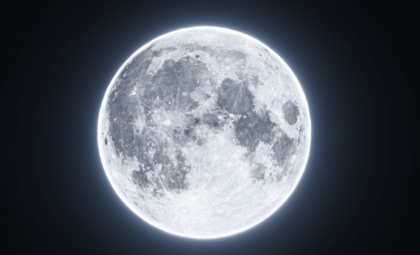
As detailed by Space.com, the July full moon peaks at 10:36 a.m. EDT (1436 GMT) on July 29, when it directly opposes the Sun relative to Earth, resulting in a fully lit lunar disc. Though this moment occurs during daylight for many in North America, optimal viewing begins that evening after sunset. That’s when the Moon emerges over the eastern horizon, appearing surprisingly large due to the well-known Moon Illusion.
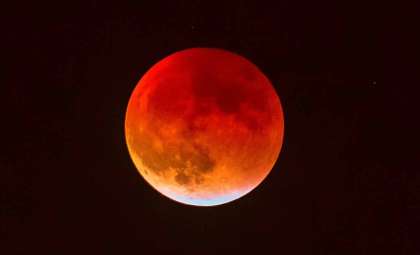
While the Moon's actual size stays constant, our brains perceive it as far bigger when seen near ground features such as trees and buildings. Concurrently, Earth’s atmosphere filters out short blue light waves while favoring reds and oranges, painting the moonrise with warm amber shades. These combined effects produce one of the most picturesque and awe-inspiring moonrises all year.

The Historical Roots Behind the Term “Buck Moon”
The term Buck Moon traces back to Native American cultures where it signaled the time when male deer began growing new antlers. This seasonal event became linked to the July full moon and gave rise to the name widely recognized today. Other Indigenous peoples called it by different titles, such as the Algonquin naming it the Raspberry Moon in reference to ripening fruit, and the Cree referring to it as the Feather Moulting Moon, marking changes in bird plumage. European traditions also contributed names like the Hay Moon and Corn Moon, reflecting the harvest activities common in late July. These diverse names highlight how humans historically used lunar cycles to guide farming, hunting, and seasonal customs well before modern calendars.
Cultural and Spiritual Significance of the July Full Moon
Beyond its astronomical importance, the full moon in July holds profound meaning in many cultural and spiritual traditions. It coincides with Guru Purnima, a key observance in Hinduism and Buddhism celebrating mentors and spiritual teachers through prayer and community events. Additionally, this date corresponds with Asalha Puja, a vital festival in the Theravada Buddhist calendar commemorating the Buddha’s initial sermon in Sarnath, India, where he articulated the Four Noble Truths. These significant ceremonies underscore the enduring link between lunar phases and religious life, making the Buck Moon a powerful symbol that connects humanity’s cultural heritage with the cosmos.
An Ideal Night for Photographers and Moon Gazers
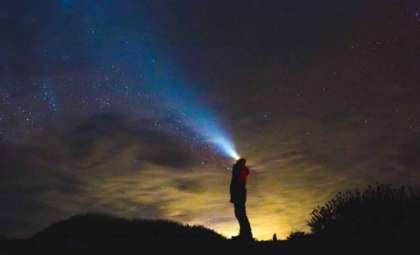
The Buck Moon offers a spectacular chance for photographers, stargazers, and astronomers of all levels to capture extraordinary lunar views. The first hour after moonrise is prime time, as the Moon hangs low against varied backdrops such as city skylines or natural landscapes. Using a tripod with telephoto lenses can reveal intricate lunar details, while astronomy apps assist in pinpointing the Moon’s exact rise location. This event also closely aligns with the anniversary of Apollo 11, linking the spectacular sight with human space exploration history. Whether enjoyed with the naked eye or through advanced equipment, this moonrise is sure to be a highlight of the 2026 summer skywatching calendar.
- Categories:
- News







0 comments
Sign in to Comment