
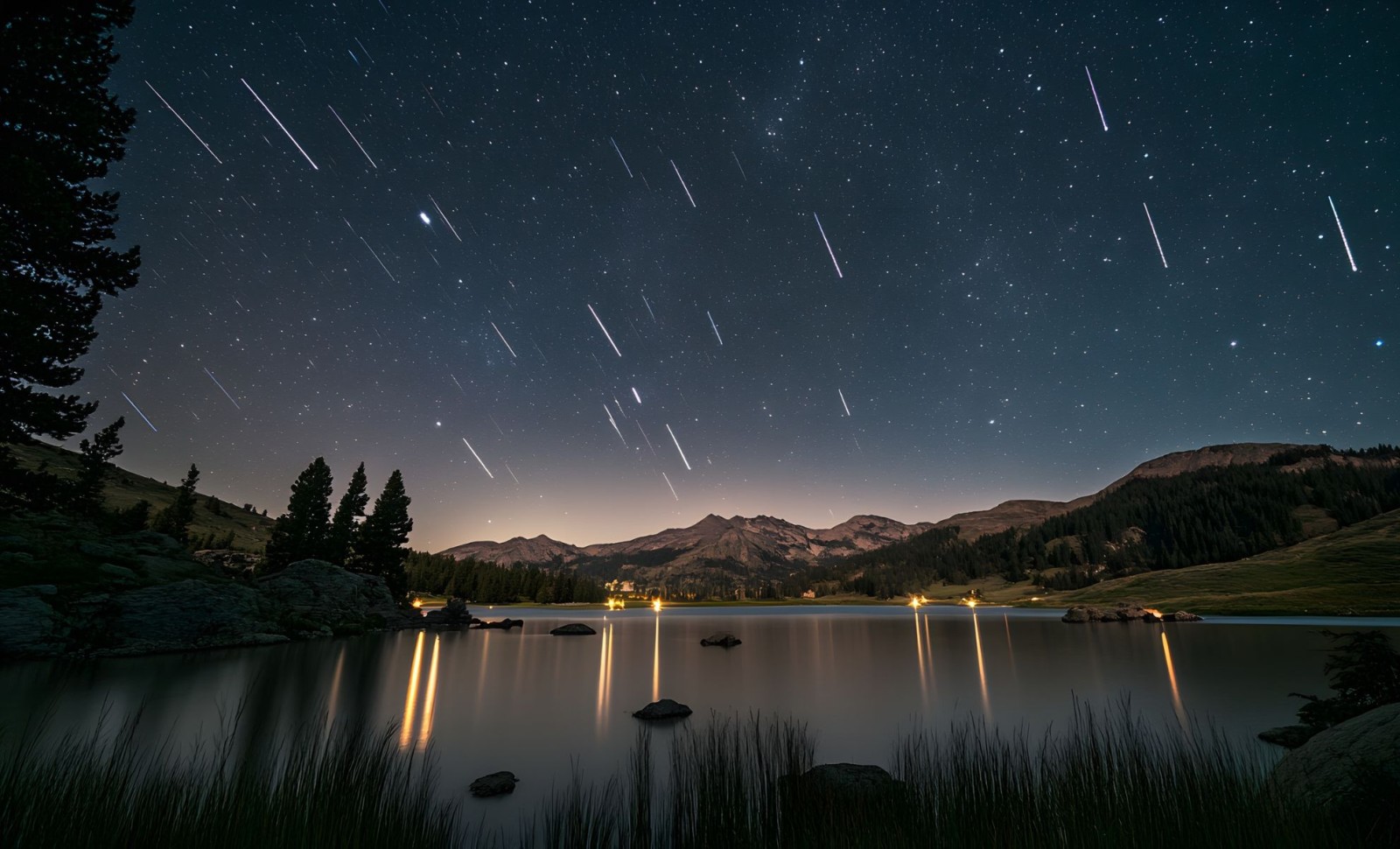
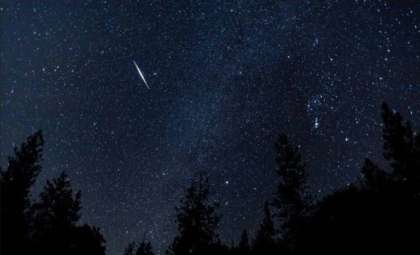
For those willing to endure the cold December skies, the Ursid meteor shower offers a subtle yet intriguing spectacle. Active from December 13 through 26, this meteor shower hits its maximum activity between the night of December 21 and the early morning hours of December 22. Though often overshadowed, the Ursids have occasionally amazed stargazers with unexpected surges of meteors.
Unlike the dramatic Geminids, the Ursids typically produce a modest display, averaging about five meteors each hour. However, history reveals that this shower can occasionally intensify; in 1945, observers witnessed rates as high as 120 meteors per hour, and a similar surge of 90 meteors per hour occurred in 1986.
An Understated Shower Linked to Comet 8P/Tuttle
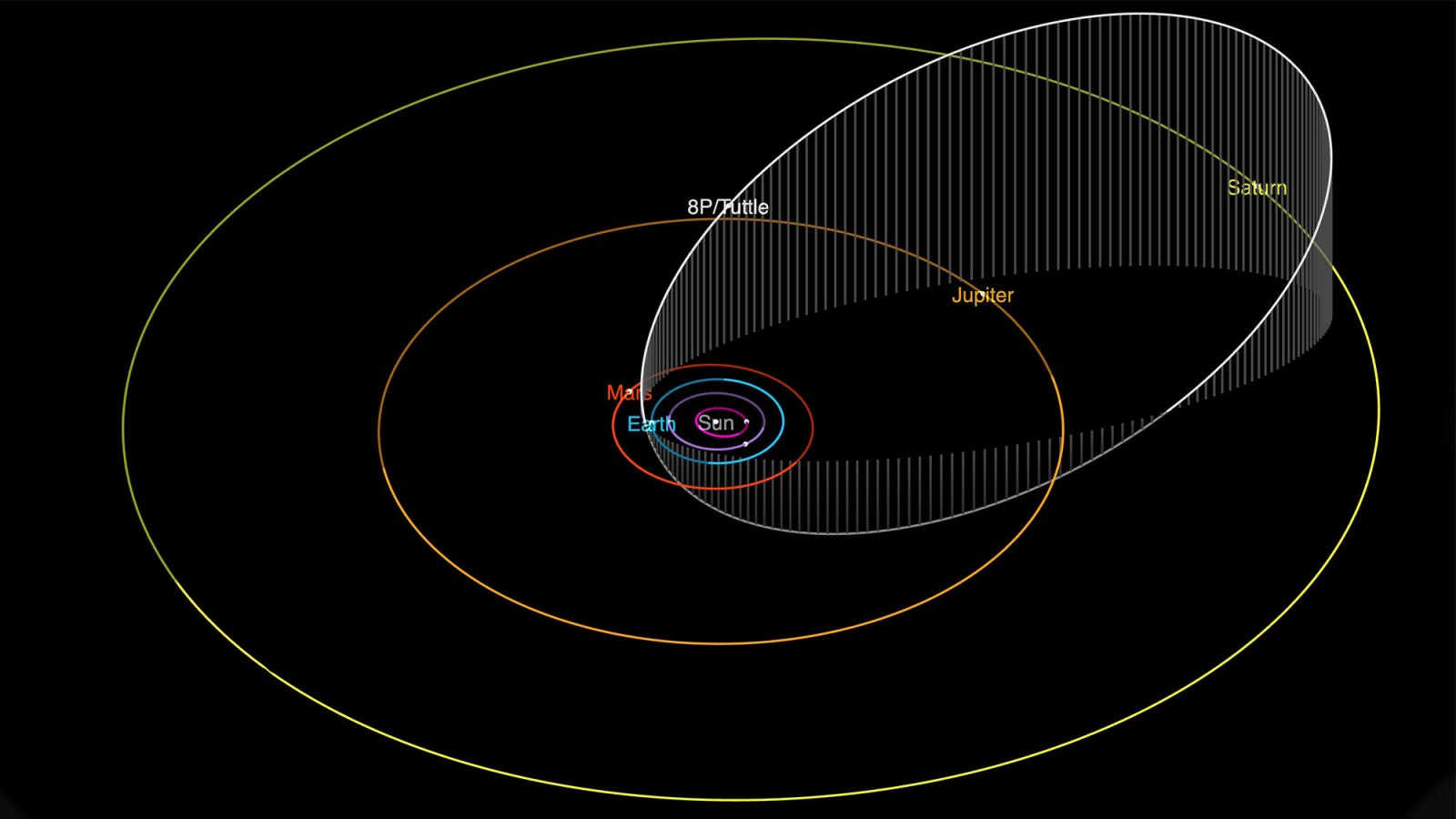
NASA explains that the Ursid meteors are caused by Earth passing through debris left by Comet 8P/Tuttle during its solar orbit. This comet follows an elongated trajectory, approaching as close as 1.03 astronomical units (AU) to the sun and retreating out as far as 10.37 AU. (One AU equals the average Earth–Sun distance, approximately 150 million kilometers.)

The comet leaves behind dust and small particles that blaze through Earth’s atmosphere at high speed, creating the visible streaks of the shower. These meteors are generally fewer and dimmer than those from brighter showers, yet their rarity and occasional bursts make the event special. Royal Museums Greenwich highlight that while most years bring a steady but low rate, surprise increases do occur.
Comet 8P/Tuttle, about 4.5 kilometers wide, completes its orbit every 13.5 years, leaving behind debris trails that sometimes intersect Earth’s path and give rise to the Ursid meteors.
Optimal Viewing Time and Location
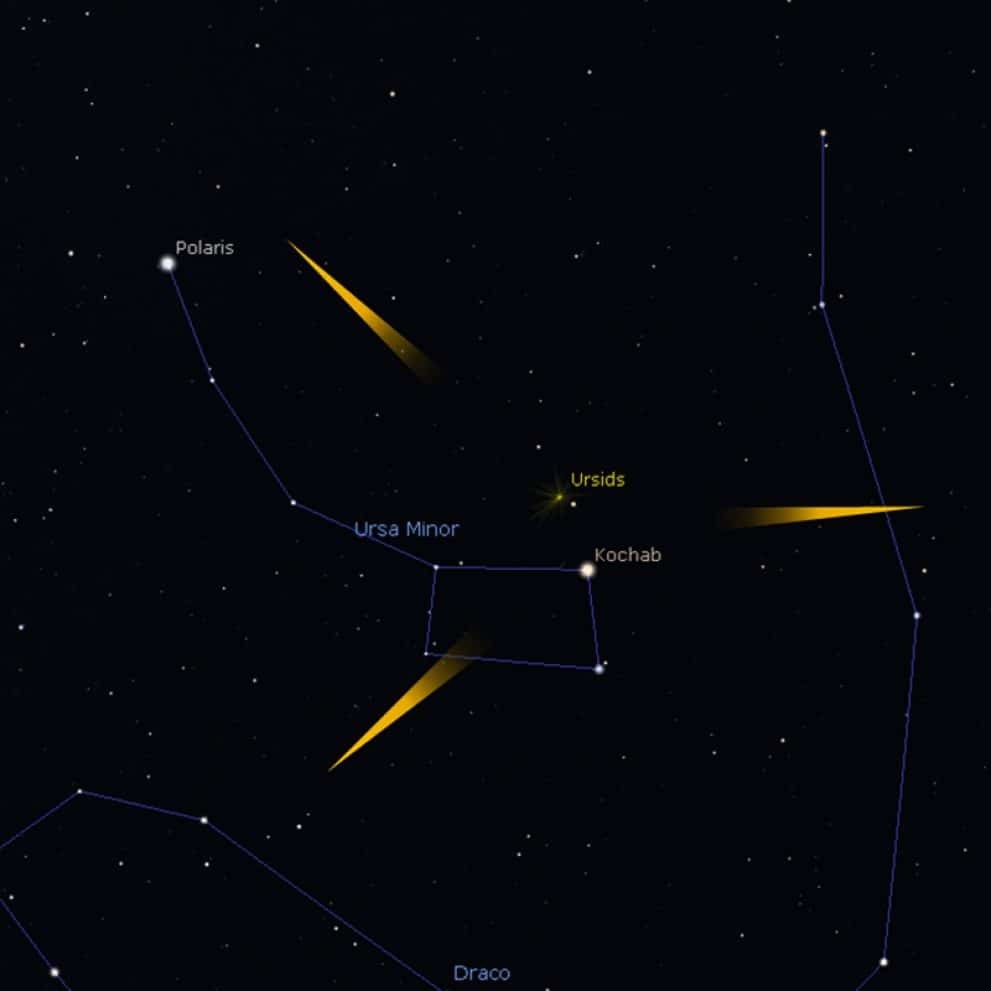
The peak of the Ursid meteor shower occurs during the night of December 21 and extends into the early hours of December 22. The radiant, or point in the sky from which the meteors appear to originate, is positioned within the constellation Ursa Minor, near the well-known Little Dipper asterism.
The brightest star in this region is Polaris, the North Star. Although meteors seem to emanate from this spot, observers are encouraged to look slightly away from it. Space.com suggests that shifting your gaze away from Polaris can help catch longer, more noticeable meteor streaks across the sky.
Tips for Observing the Ursids This December
No special instruments are necessary to enjoy the Ursid meteor shower. Using binoculars or telescopes can actually reduce your view of the wider sky where meteors glide. The best approach is to find a dark spot free from city light pollution, lie back comfortably, and allow your eyes to adapt to the darkness for around 30 minutes. Having warm clothing, a reclining chair, and a red flashlight enhances the experience.
Stargazing apps can assist in locating Ursa Minor and following the shower's radiant in real time. For photographers interested in capturing meteors, consulting meteor photography guides will provide helpful tips on camera settings, exposure lengths, and lens types.
- Categories:
- Astronomy




0 comments
Sign in to Comment