

The annual Leonid meteor shower remains a favorite for skywatchers around the world. In 2025, the event will reach its peak later this month, providing an opportunity to observe beautiful meteors streaking across the night sky. Although this year’s meteor activity will be reduced compared to past displays, it still promises several bright shooting stars. Here’s a complete guide on the 2025 Leonid meteor shower, including optimal viewing times and locations.
What the 2025 Leonid Meteor Shower Has in Store
The Leonids are annually anticipated in November, originating from debris left by Comet Tempel-Tuttle, which orbits our Sun every 33 years. However, the intensity for 2025 is expected to be lower than usual. As reported by Space.com, viewers in North America can expect roughly 5 to 10 meteors per hour at the shower’s peak. While this is less dramatic than the thousands witnessed during some past Leonid events, clear and dark skies will heighten the viewing experience.
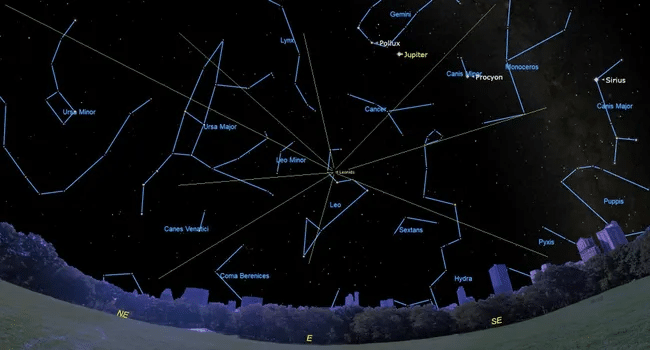
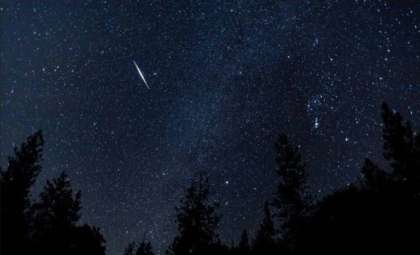
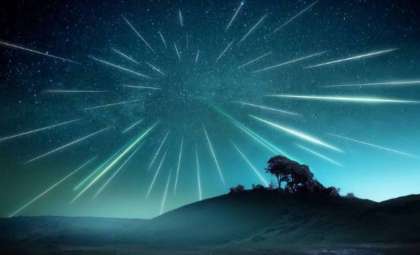
Despite a quieter show, the meteors of the Leonids are renowned for their rapid pace, zipping through the atmosphere at speeds near 45 miles (72 km) per second. Their swift movement creates bright, enduring streaks that captivate observers—even when the meteor count is low.

Optimal Viewing Times and Ideal Locations for the 2025 Leonids
To fully enjoy the Leonids this year, timing and spot selection are vital. The prime viewing window will be shortly before dawn on November 18. Although this is just past the peak, you can still catch some vibrant meteor trails across the northern hemisphere skies.
Location is equally important. Aim for an area with minimal light pollution and clear atmospheric conditions. Rural or remote spots away from urban glow will provide the best views. With the moon in a thin crescent phase this year, its faint glow won’t disrupt your stargazing. If you’re located near city lights, consider using apps or online tools to identify nearby darker skies to enhance your viewing experience.
Understanding the Leonid Meteor Shower’s Origins
The spectacle of the Leonid meteor shower is directly tied to Comet Tempel-Tuttle as it orbits the Sun every 33 years. Each time it approaches, the comet sheds dust and debris, which spread along its orbital path. When Earth intersects this debris trail, particles enter our atmosphere at high speeds, igniting brilliant meteors.
The last perihelion passage of Tempel-Tuttle occurred in 1998, so the visible material this year comes from dust left behind then. The Leonids are specially noted for their rapid meteors—hurtling at up to 45 miles per second—and their bright, often long-lasting, glowing trails known as “vapor trains” that linger for seconds after the meteor burns up.
Why 2025 Will Be a Year of Low Leonid Activity
The anticipated meteor count for 2025 is forecasted at about 15 meteors per hour globally, with particularly subdued activity across North America. This is because Earth will cross a more dispersed and older debris stream from the comet. Much of the denser dust was released in the late 1990s, which means fewer particles are present to generate a burst of meteors this year.
Still, even in lower-output years, the Leonids remain an exciting display, known for some of the fastest and brightest meteors in the sky. Observers are encouraged to stay patient and enjoy the unpredictable nature of meteor showers, as there is always the chance of spotting a remarkable shooting star or two despite diminished activity.
- Categories:
- Astronomy







0 comments
Sign in to Comment