
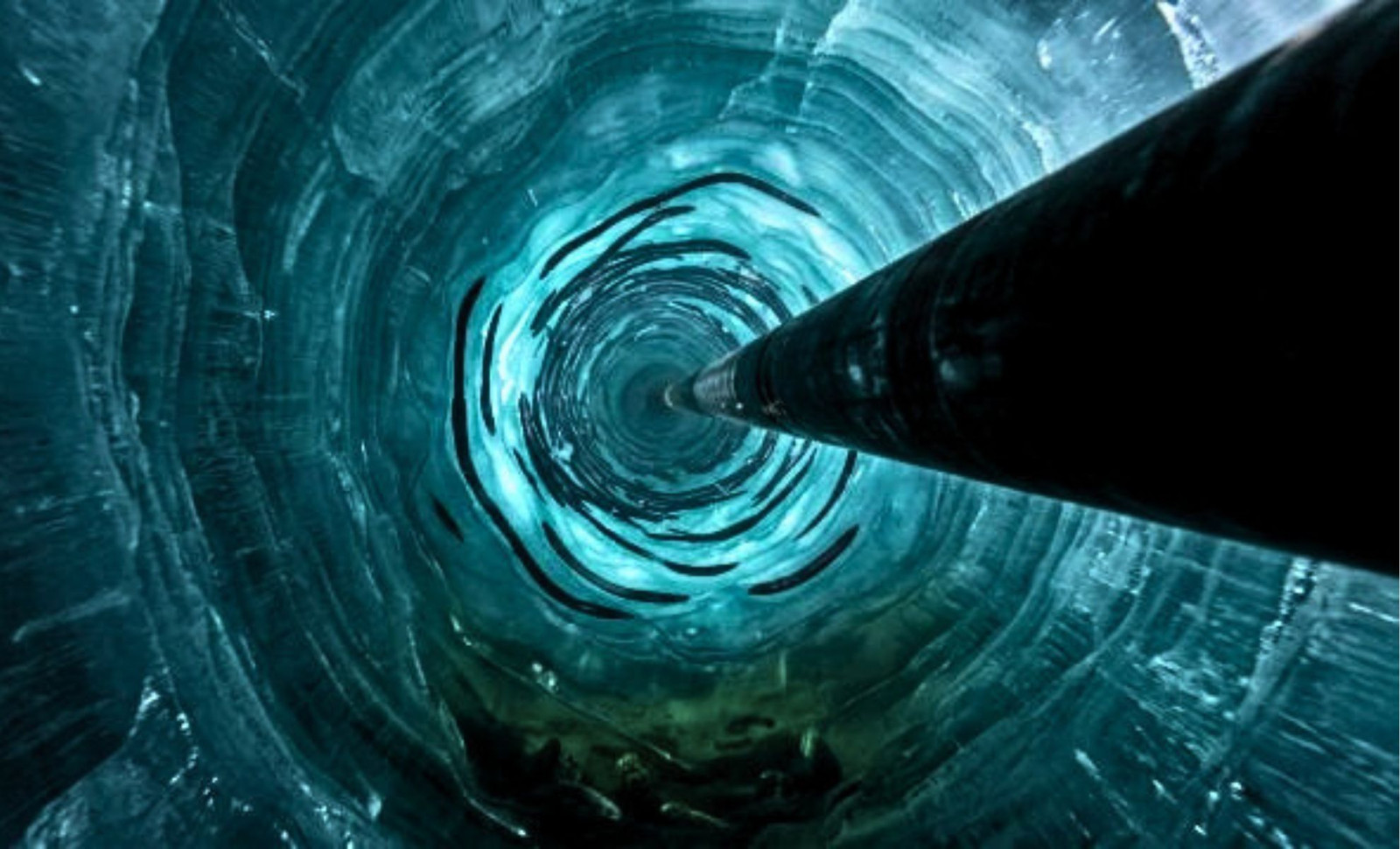
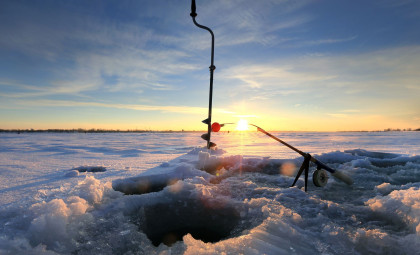
In early February, an intense stream of near-boiling water carved a vertical shaft through over three kilometers of Antarctica's ice, reaching a lake sealed off for millions of years beneath the surface. China’s 42nd Antarctic expedition team achieved a milestone by penetrating 3,413 meters of ice, shattering the previous hot-water drilling depth record by almost 900 meters.
The Ministry of Natural Resources of China revealed the success this Tuesday, as reported by China Daily. Surpassing the former mark of 2,540 meters, this accomplishment enables Chinese scientists to drill through over 90 percent of the Antarctic ice sheet and the entirety of the Arctic ice sheet.
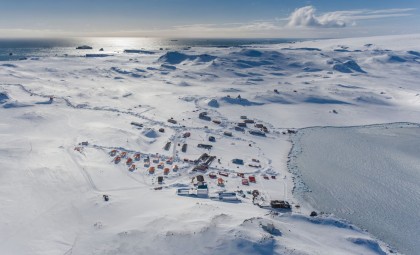
Located above the Qilin Subglacial Lake, one of Antarctica’s largest hidden lakes named by China in 2022, the drilling site lies in Princess Elizabeth Land, approximately 120 kilometers from Taishan Station within the heart of East Antarctica.

How Hot-Water Drilling Cuts Through Ice
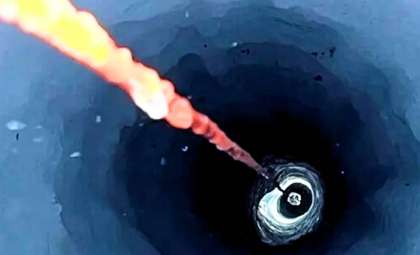
The technique itself is elegant yet effective. Heated water is propelled under high pressure through a lengthy hose, melting the ice upon contact and allowing the borehole to deepen as the pipe descends. This approach avoids the use of mechanical cutters or drill bits, resulting in a clean and rapid passage through the glacier.
This method offers significant advantages compared to traditional mechanical drilling. Hot-water drilling minimizes disruption to the icy environment and maintains a contamination-free passage—crucial when targeting isolated subglacial lakes untouched for millennia. Mechanical drills risk introducing microbes, fuels, or fluids from the surface, whereas a well-managed hot-water system drastically reduces contamination risks. These benefits have established hot-water drilling as the global standard for accessing subglacial lakes, ice shelf bases, and bedrock beneath glaciers.
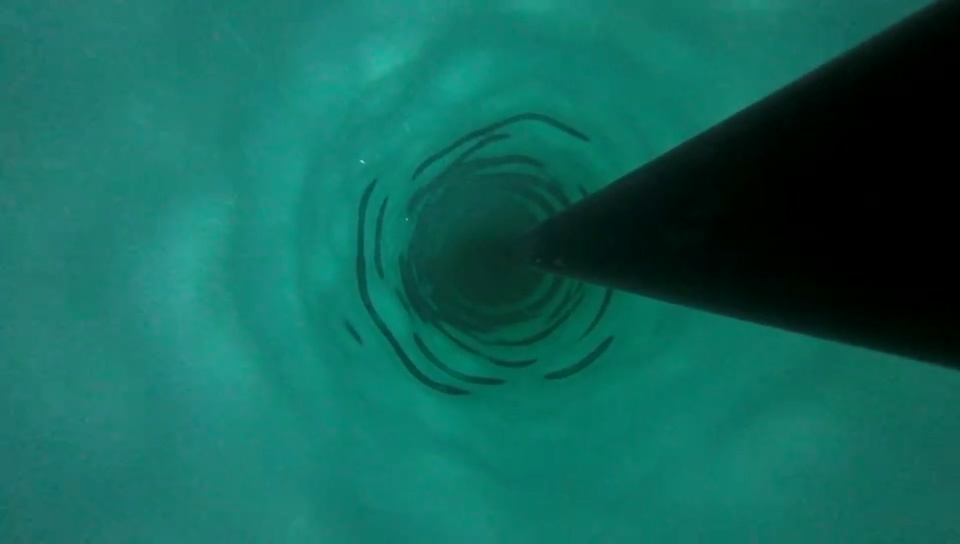
The Chinese expedition treated this as a comprehensive operational test amidst harsh polar conditions. According to Global Times, engineers in the team integrated specialized equipment designed to endure extreme cold, overcoming challenges no previous domestic team had faced: maintaining system stability under low temperatures, preventing surface contaminants from entering the borehole, and precisely managing lengthy hoses and winches during the deep ice descent.
The successful trial confirmed the reliability and efficiency of the deployed gear in its intended environment. The ministry emphasized the mission's commitment to environmental stewardship and the use of eco-friendly exploration technologies.
Hidden Lakes Beneath Antarctic Ice
Subglacial lakes are isolated aquatic systems serving as natural archives of Earth’s past. Shielded from light and atmospheric contact, potential microbial life in these lakes has evolved in extreme pressure and near-complete darkness. Their chemical makeup preserves records of ancient climate, while sediments reveal geological narratives unavailable from surface studies.
These lakes also act as analogs for extraterrestrial research. They help scientists investigating icy moons like Europa and Enceladus, believed to harbor subsurface oceans beneath frozen shells, understand how life might exist in comparable extreme conditions elsewhere in the solar system.
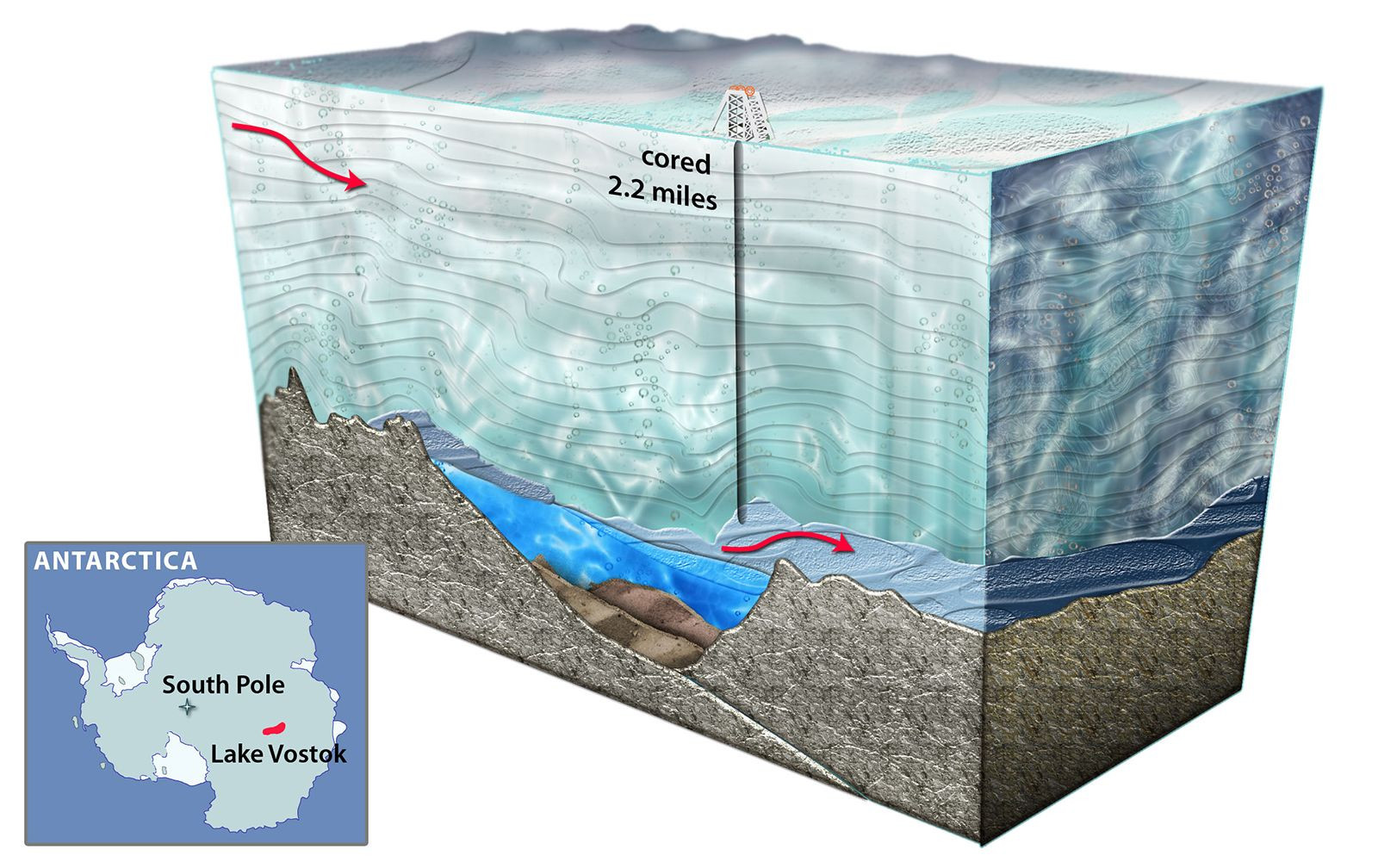
Hot-water drilling offers direct access to these hidden worlds. A sterile borehole allows scientific instruments to be lowered into the lake, enabling sample collection and sediment core retrieval without contamination that could compromise results. The February operation mainly validated that the borehole could safely provide access.
Future phases will focus on deploying sampling systems through this pathway to procure the initial direct measurements and biological samples from Qilin Subglacial Lake.
Expanding Scientific Horizons on Antarctica
China’s 42nd Antarctic expedition is advancing in multiple aspects this season. In January, the team launched operations at the new Zhongshan-Taishan Ice Cap Atmospheric and Ocean Observation Station, situated on the East Antarctic Plateau for long-term climate and environmental data collection.
The recent drilling accomplishment adds depth to the nation’s research footprint. Successfully operating on ice exceeding 3,000 meters thick demonstrates the hot-water drilling system's readiness for Antarctica’s most challenging environments. Qilin Subglacial Lake now has a confirmed pathway awaiting future expeditions to explore its depths directly.
This milestone marks China’s emergence in deep ice drilling technology among an elite group of countries. When sampling missions commence, scientific investigation into one of Antarctica’s most secluded ecosystems will enter an unprecedented phase.
- Categories:
- Science





0 comments
Sign in to Comment