
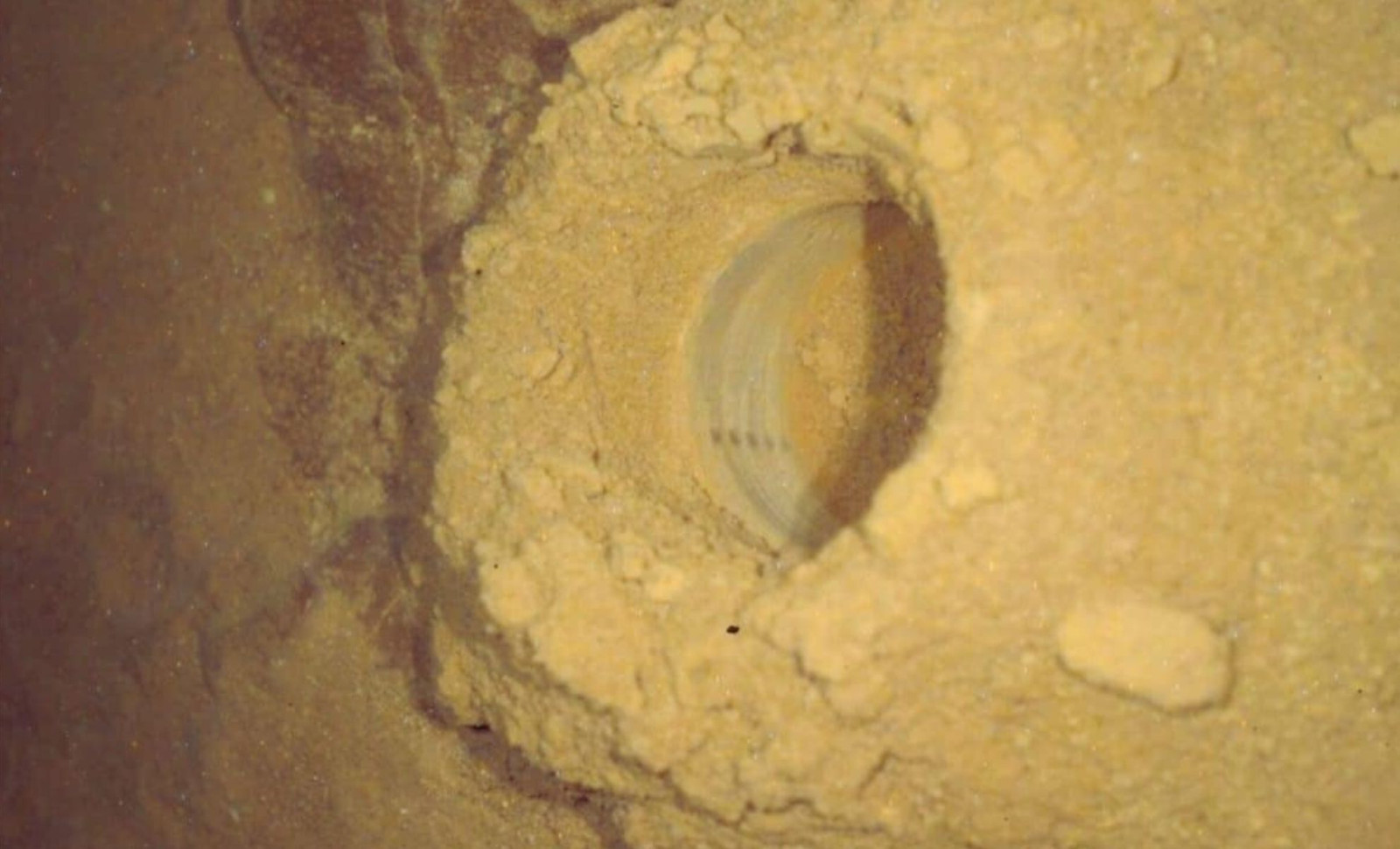
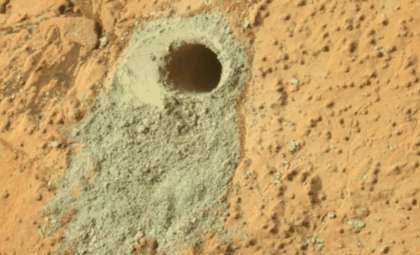
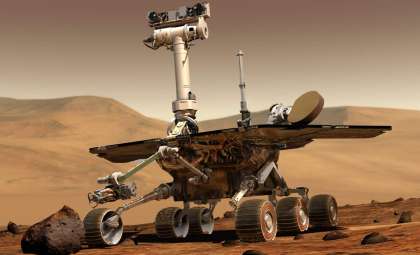
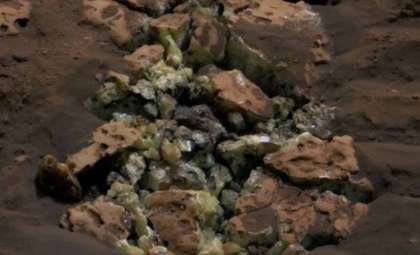
Over ten years since touching down in Gale Crater, NASA’s Curiosity rover has revealed surprising findings within the Martian soil. Researchers analyzing samples from an ancient lakebed have identified intricate organic molecules characterized by stable, extended carbon chains. These samples aren’t newly collected; they originated from a rock named Cumberland drilled in 2014. What has evolved is the approach to examining the data.
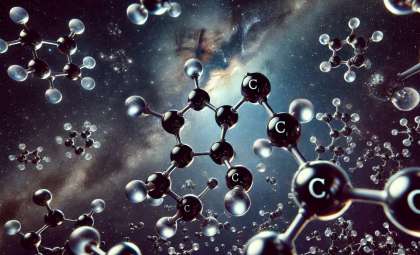
Using enhanced analysis of data from Curiosity’s Sample Analysis at Mars (SAM) instrument, scientists detected the presence of decane (C10), undecane (C11), and dodecane (C12). Advanced thermal extraction procedures uncovered molecular fingerprints previously overlooked. Such molecules, familiar on Earth, can come from non-biological hydrocarbon sources or from the breakdown of fatty acids, vital components in cellular membranes and biological activity.
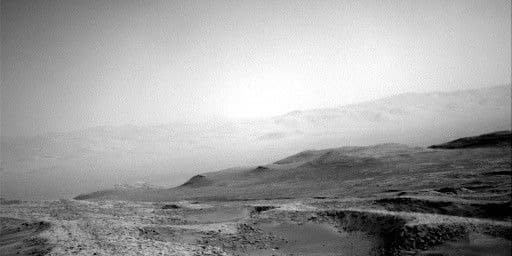
Uncovering these molecules in 3.7-billion-year-old mudstone rekindles debates about the existence of ancient life on Mars. These organics could represent remnants of former life or alternatively indicate that Martian chemistry was more complex than previously thought. Each possibility holds profound consequences for planetary science and introduces fresh mysteries.

A notable aspect is the prevalence of even-numbered carbon chains, a pattern commonly linked to biochemical processes on Earth. Though the sample size is limited to three molecules, this pattern invites cautious speculation and further study. Unexplained phenomena like this are now demanding scientific attention.
Validated Findings from NASA Scientists
NASA publicly acknowledged the detection of these long-chain hydrocarbons as “the largest organic molecules ever found on Mars” via a formal announcement. The analysis was spearheaded by Dr. Caroline Freissinet at the LATMOS lab of the French National Centre for Scientific Research (CNRS) and documented in the Proceedings of the National Academy of Sciences.
The SAM instrument’s gas chromatography–mass spectrometry (GC-MS) system played a pivotal role by applying updated heating protocols to the 2014 Cumberland sample. This improved procedure allowed detection of heavier molecular fragments unseen in the original tests, unveiling decane, undecane, and dodecane.
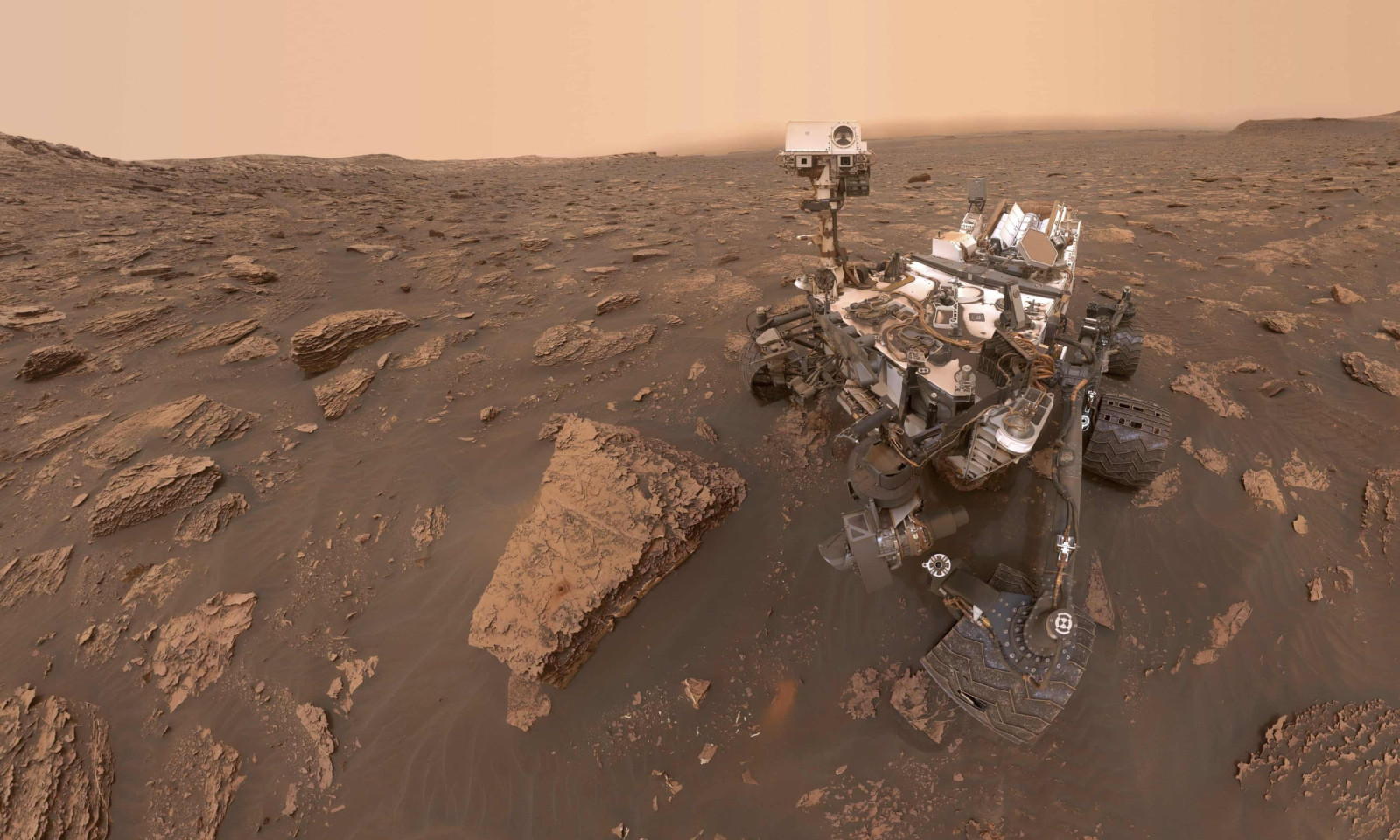
Freissinet’s team conducted complementary Earth-based experiments that demonstrated these hydrocarbons could result from thermal breakdown of carboxylic acids, especially fatty acids, which bolsters the theory of past biologically relevant compounds on Mars, though fatty acids themselves remain unconfirmed in the sample.
In a The Guardian interview, Freissinet remarked: “Cumberland is teasing us.” This March 24 report also highlighted that dodecane, an even-carbon molecule, was most abundant. She added, “There is a bias on Earth life toward even-numbered carbon chains,” emphasizing biological tendencies for fatty acid synthesis.
Decoding Martian Chemistry: Signs of Life or Natural Processes?
Long-chain alkanes may originate from both living and non-living sources. On Earth, they often persist as traces from fatty acids in sediments tied to ancient life. However, volcanic or hydrothermal activity can produce similar compounds independently of biology. Both origins remain plausible on Mars.
The context of discovery is important. Samples from Yellowknife Bay, an area once believed to harbor a lake, came from clay-rich mudstone previously linked to stable water environments. Earlier research affirmed the site met numerous criteria for habitability based on geology and mineralogy.
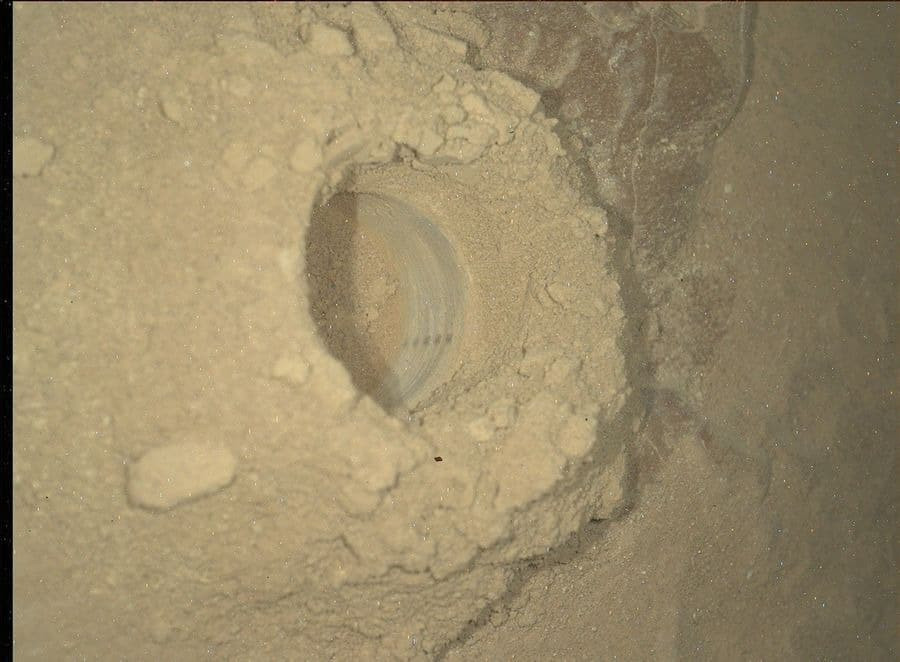
Although SAM did not provide isotopic or chirality data—key indicators of a biological origin—the durability of these molecules amid Martian surface radiation and oxidants suggests they were quickly buried or shielded soon after formation.
Crucially, these organics emerged from sediment layers accessed by Curiosity’s drilling, not merely surface dust, strengthening confidence that the molecules represent ancient deposits rather than modern contamination.
Advancing Research with Earth Laboratory Studies
This discovery highlights current limits of on-site analysis and the importance of re-evaluating existing data. Confirming whether these organics originated from living organisms will require more sensitive instruments than Curiosity’s.
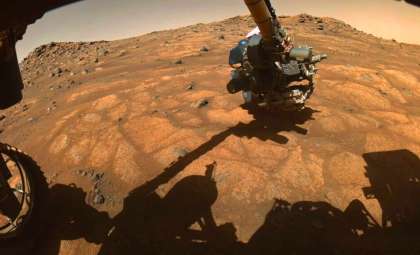
NASA and the European Space Agency (ESA) are collaborating on the Mars Sample Return mission, aiming to retrieve samples from Jezero Crater, where the Perseverance rover is currently exploring. Bringing samples back to Earth will enable comprehensive laboratory studies able to detect isotopic and structural signatures of life.
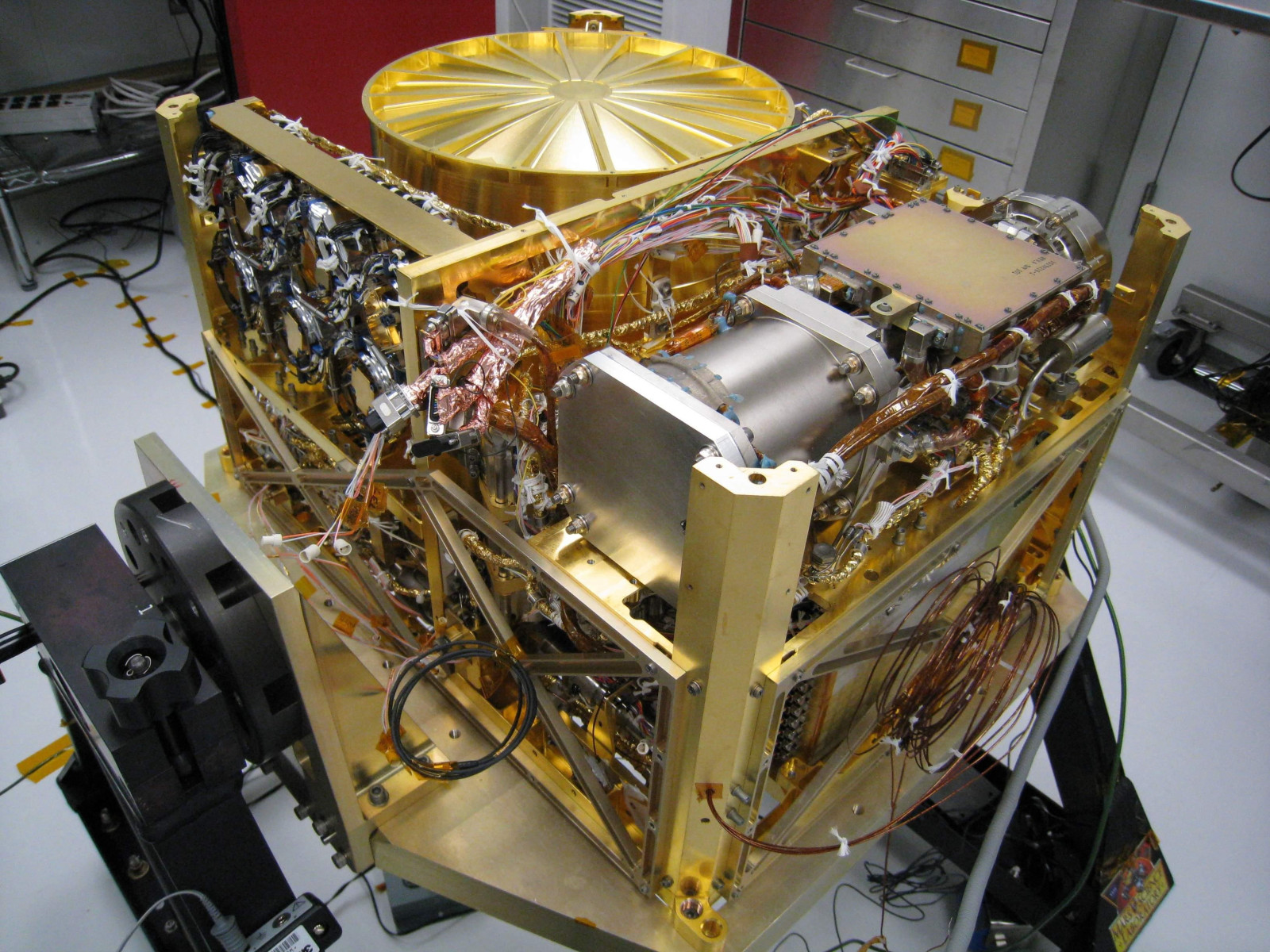
Meanwhile, scientists continue mining Curiosity’s decade of data for insights. Previous findings included simple organic compounds and evidence indicating ancient water. The confirmation of larger hydrocarbon chains adds complexity and new avenues for exploration. Although not definitive proof of life, these molecules push the search forward.
Freissinet’s words, “Cumberland is teasing us,” perfectly capture this significant yet enigmatic discovery—the first confirmed detection of decane, undecane, and dodecane molecules on the Martian surface.
- Categories:
- Space




0 comments
Sign in to Comment