
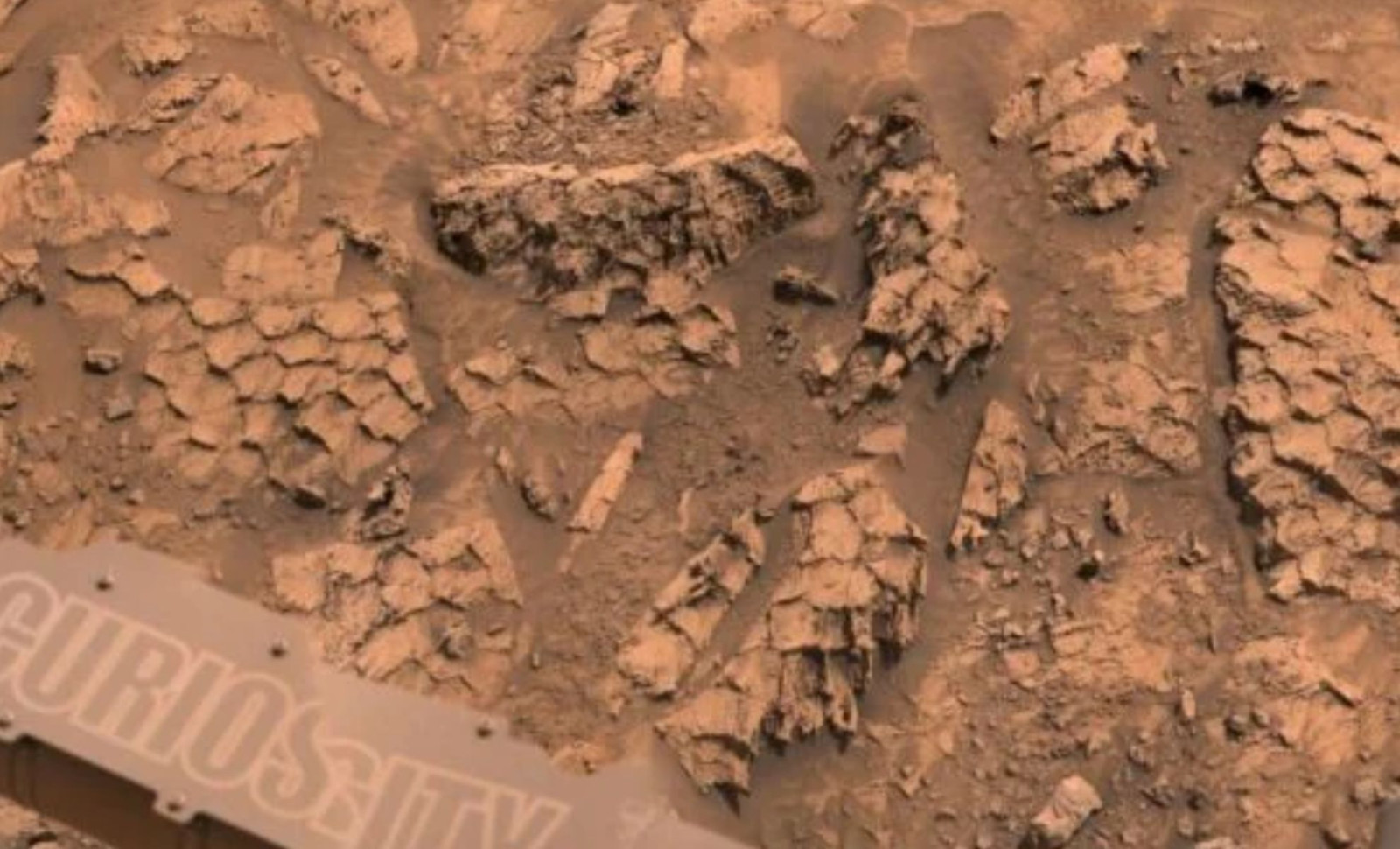
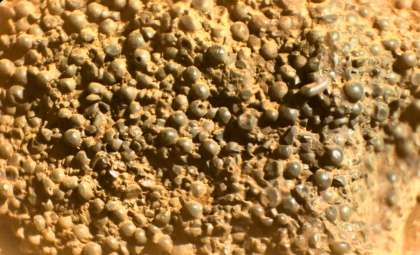
Researchers are intrigued by an unusual, scale-patterned rock formation discovered by NASA’s Curiosity rover on the surface of Mars.
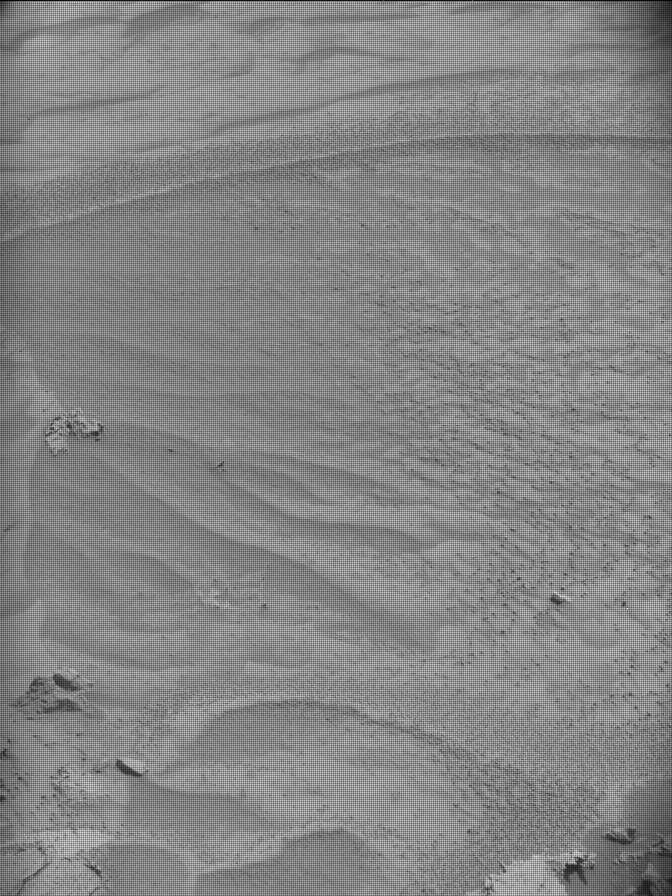
The captivating photos were captured on April 13, 2026 (Sol 4865), as Curiosity advanced toward the Antofagasta crater—named after a Chilean port city near the Atacama Desert within Gale Crater. The images reveal countless repetitive, honeycomb-shaped polygons extending over a vast area, far surpassing the scale of similar patterns previously observed in this region.
These structures are significant because such polygonal arrangements are often linked to water-related geological processes, contributing important clues to how long liquid water persisted on Mars.

Distinctive Polygonal Networks Captured
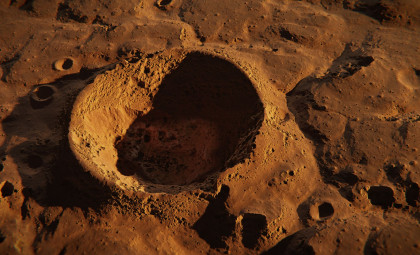
As Curiosity progressed, its Mastcam produced extensive mosaics depicting the ground covered with honeycomb-like polygons. Prior mission reports noted the rover approaching a small crater approximately 10 meters (32 feet) wide.
According to Abigail Fraeman from NASA’s Jet Propulsion Laboratory, this type of pattern has been seen before, though not on such a large scale. She noted:
“We’ve seen polygon-patterned rocks like these before,” she said in a NASA statement, “but they didn’t seem quite this dramatically abundant, stretching across the ground for meters and meters in our Mastcam mosaics.”
The surface pattern has drawn comparisons to reptilian skin, although the phenomenon is purely geological in origin. The vast quantity of these shapes indicates multiple formation events over time rather than a singular occurrence.
Signs of Repeated Wet and Dry Conditions
On Earth, such polygonal cracks commonly appear when wet mud dries, shrinks, and fractures. If this wetting and drying cycle happens repeatedly, the cracks tend to develop into more regular hexagonal networks.
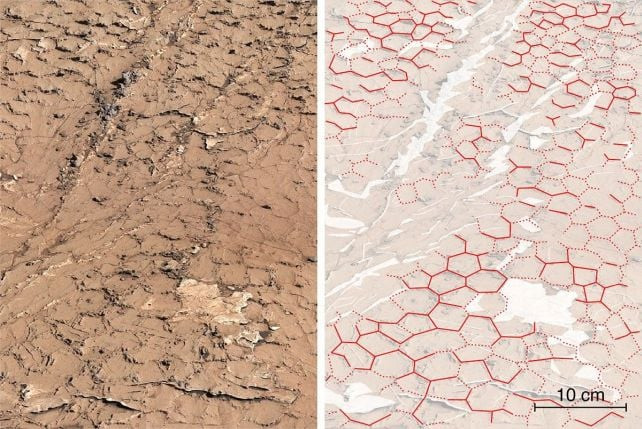
A similar scenario was documented in 2023 at Pontours on Mars. A study in the Journal of Statistical Physics revealed that hexagonal crack networks there formed due to repeated wet-dry cycles, evolving from T-shaped intersections to Y-shaped junctions.
Such formations suggest cyclical environmental changes, potentially seasonal. If Antofagasta exhibits comparable dynamics, it points to Mars experiencing ongoing cycles involving liquid water in its past.
Unique Characteristics Hinting at Complex History
Despite similarities to Pontours, the Antofagasta site displays distinctive features. The polygons’ outlines are elevated, creating ridges that stand above the surrounding rock. As Fraeman explained, these raised edges may form when minerals deposit in the cracks and later withstand erosion better than adjacent materials, preserving the original pattern.
The rover has gathered eight images along with chemical data from this area. Analyzing these findings will help determine whether minerals such as salts, like those found at Pontours, also exist here. She added:
“We continued to collect lots of images and chemical data that will help us distinguish between different hypotheses for how the honeycomb textures formed.”
These new findings reinforce the growing body of evidence that Mars once had a far more intricate and dynamic interaction with water than what its present-day surface shows.
- Categories:
- Space



0 comments
Sign in to Comment