
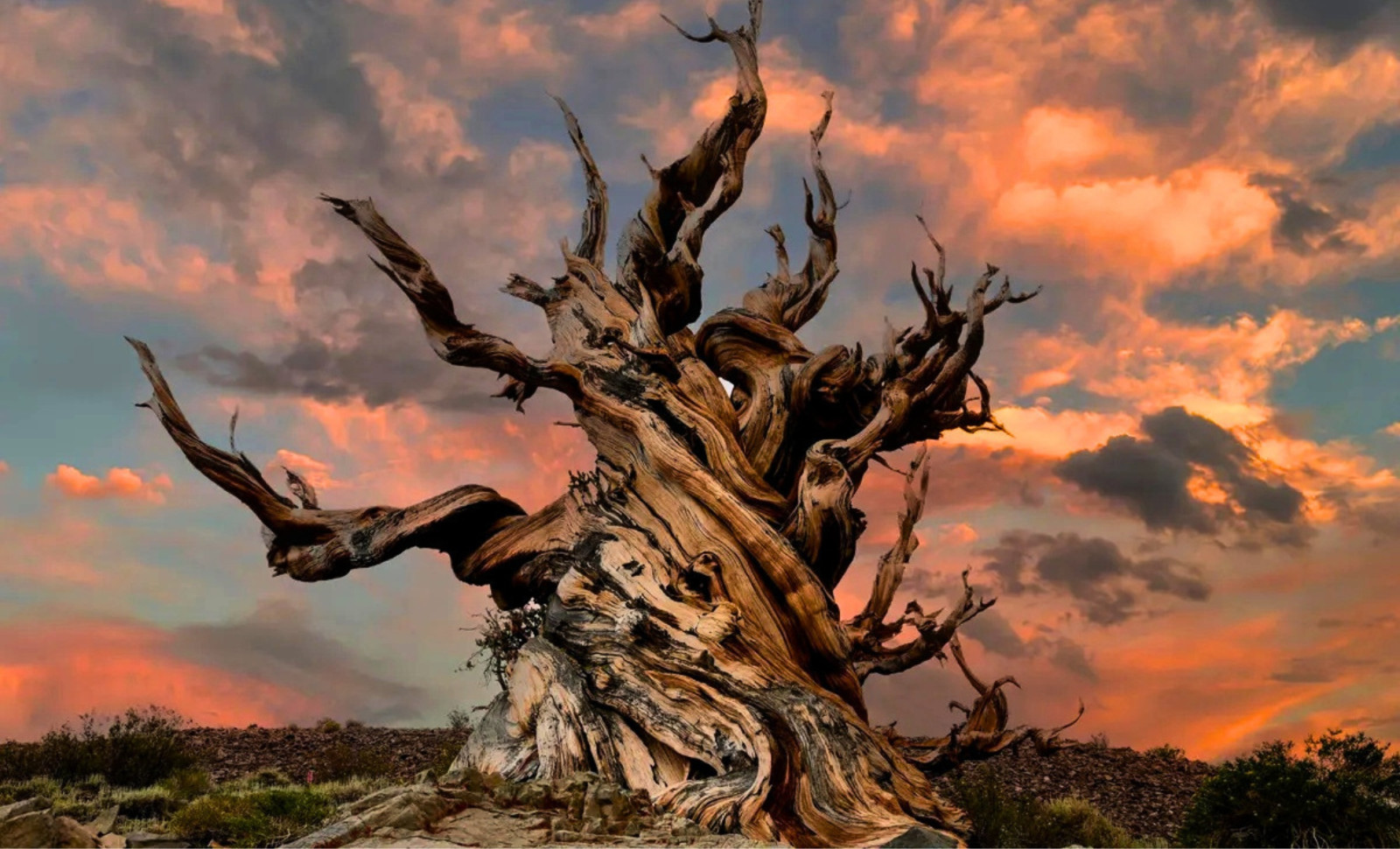
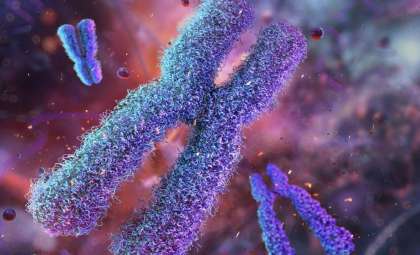
Researchers have successfully mapped the genome of the Great Basin bristlecone pine, acknowledged as the oldest individual non-clonal organism on the planet. This breakthrough, led by the University of California, Davis and published on March 17 in G3: Genes|Genomes|Genetics, introduces the first full reference genome for Pinus longaeva, unlocking fresh avenues to explore the genetic factors behind exceptional longevity.
Some of these ancient bristlecone pines started growing thousands of years before Egypt’s pyramids were built. Their genome, consisting of about 23.8 billion base pairs, is nearly eight times larger than that of humans, yet it only encodes slightly more protein-coding genes, tallying up to 21,364. Most of the rest of the genome comprises repetitive DNA sequences that have accumulated without apparent detriment through millions of years of evolutionary history.
Insights from the Genetic Blueprint
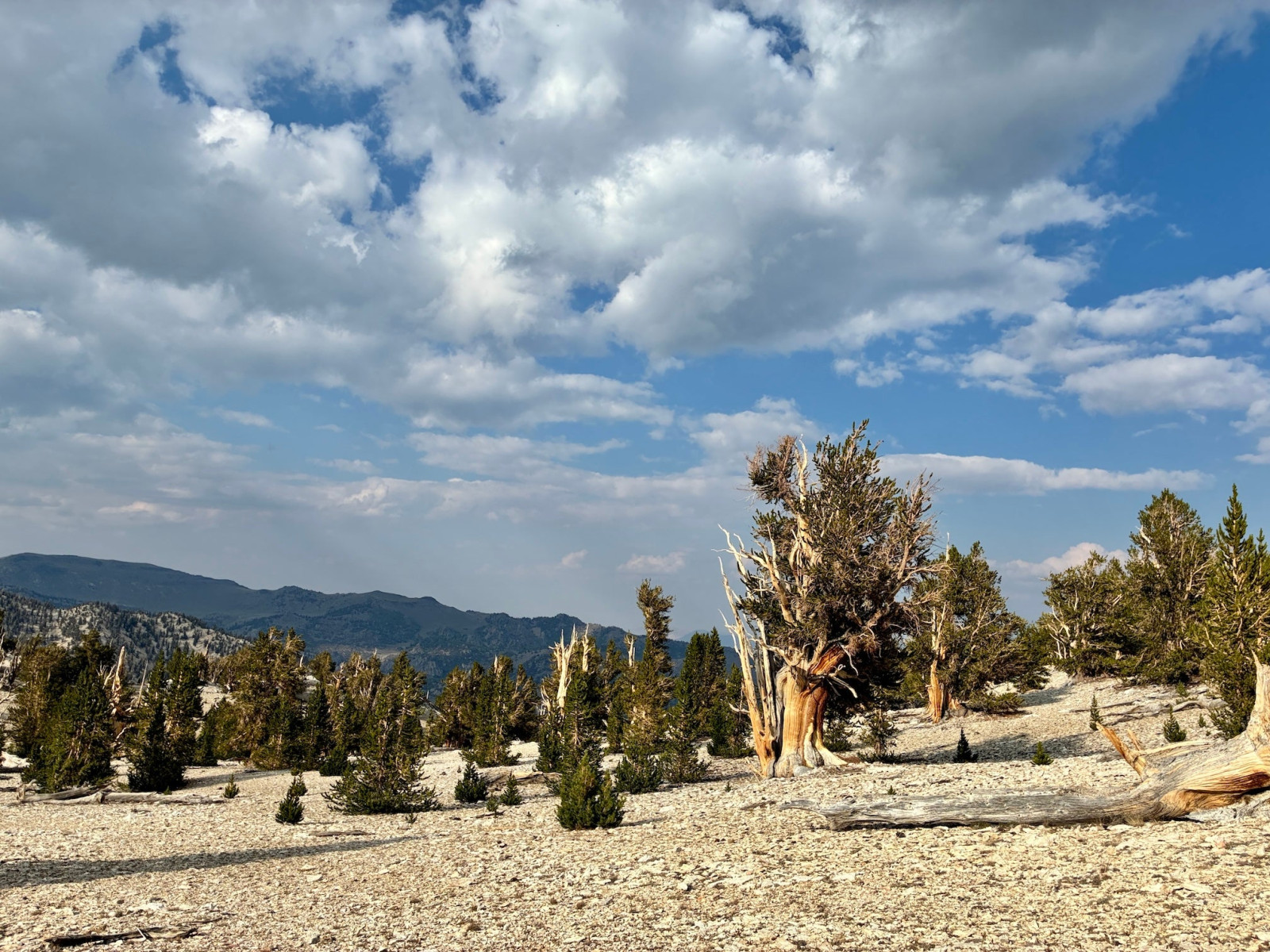
Scientists gathered tissue samples from needles and seeds collected in California’s White Mountains under USDA Forest Service permits. Advanced genetic sequencing combining both short-read and long-read methods was performed at Johns Hopkins University, producing a contiguous assembly with a scaffold N50 size of 1.2 gigabases. The chloroplast and mitochondrial genomes were assembled separately into complete circular chromosomes.

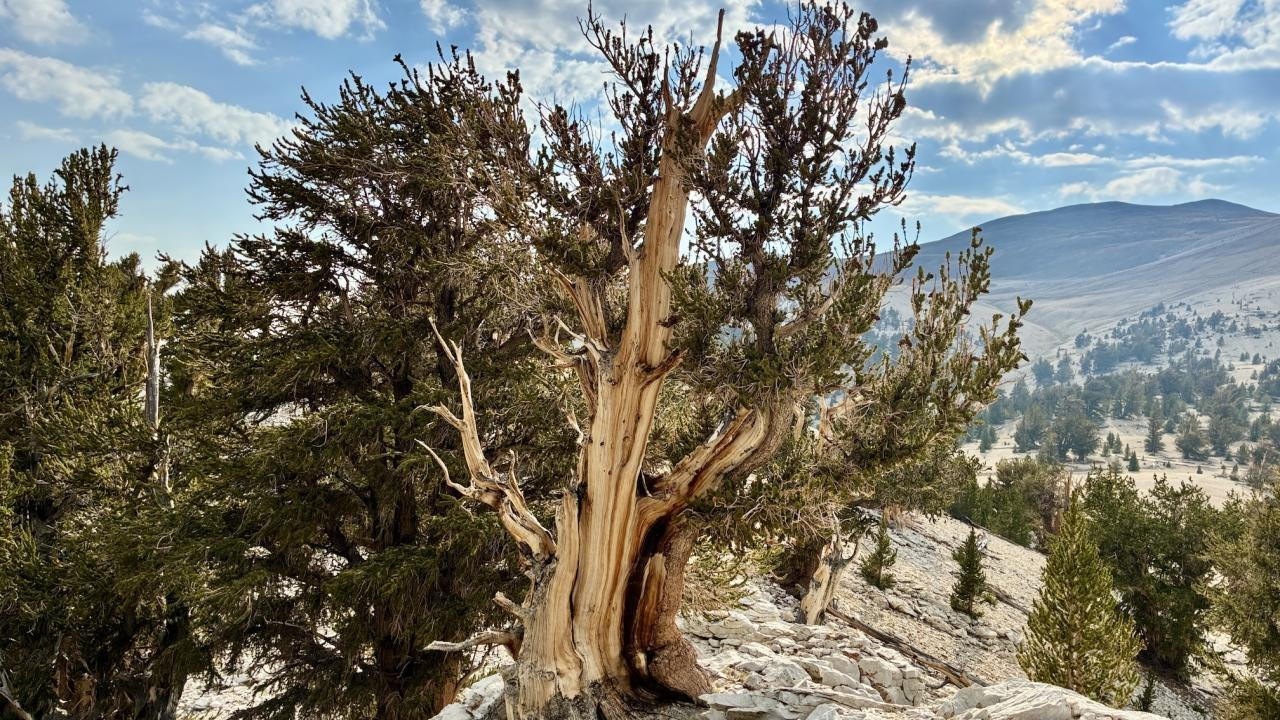
Two genome features stood out as potential contributors to the tree’s remarkable lifespan. Firstly, the bristlecone pine contains genes related to disease resistance, particularly nucleotide-binding leucine-rich repeat receptors. Secondly, this species exhibits longer average telomere lengths than other conifers, a characteristic associated with reduced cellular aging.
Still, researchers caution that these features alone do not definitively explain the tree's longevity. More investigation is required to pinpoint the genetic mechanisms at play.
The Immense Technical Undertaking
Sequencing a genome of this magnitude posed significant computational challenges. Steven Salzberg, a biomedical engineering professor at Johns Hopkins University, highlighted the complexity: “Assembling a 24 billion base pair genome, eight times the size of the human genome, is an extraordinary task.” Much of the genome comprises repetitive, non-coding DNA that the species has carried through vast evolutionary time without harm.
David Neale, professor emeritus at UC Davis, who spearheaded the project and has previously contributed to sequencing coast redwood, giant sequoia, and whitebark pine genomes, stressed that the assembled genome serves as a crucial foundation rather than a definitive explanation. “Sequencing one individual doesn’t reveal the full genetic basis of longevity,” he said. “Nonetheless, having this reference is essential for modern biological research across many fields.”
Enduring Without Internal Aging
A fascinating trait of the bristlecone pine is its apparent avoidance of biological senescence—the gradual deterioration of cells leading to aging. Unlike many organisms, these trees lack genetic markers associated with this aging process. Their deaths are usually caused by external forces like fire, storms, insects, or physical damage, not aging itself.
Neale noted the exceptional lifespan challenges conventional views on longevity. “Comparing an organism living 5,000 years with one living 100 years might reveal invaluable insights,” he stated, yet also warned the bristlecone pine could be an unusual case without direct analogs in other species.
Broader Implications of the Genome
Although not endangered, bristlecone pines have experienced losses from heat, drought, and bark beetle infestations in recent years. Constance Millar, an ecologist at the USDA Forest Service’s Pacific Southwest Research Station, remarked that White Mountains populations have endured climate extremes for nearly 11,000 years since the last ice age.
The newly available reference genome equips conservation biologists and land managers with a powerful tool to examine how the species adapts at a genetic level to environmental pressures. It also allows identification of populations carrying traits best suited for future climate conditions. Researchers anticipate this genetic resource to benefit both conservation efforts and broader inquiries into the determinants of longevity across species.
- Categories:
- Science







0 comments
Sign in to Comment