
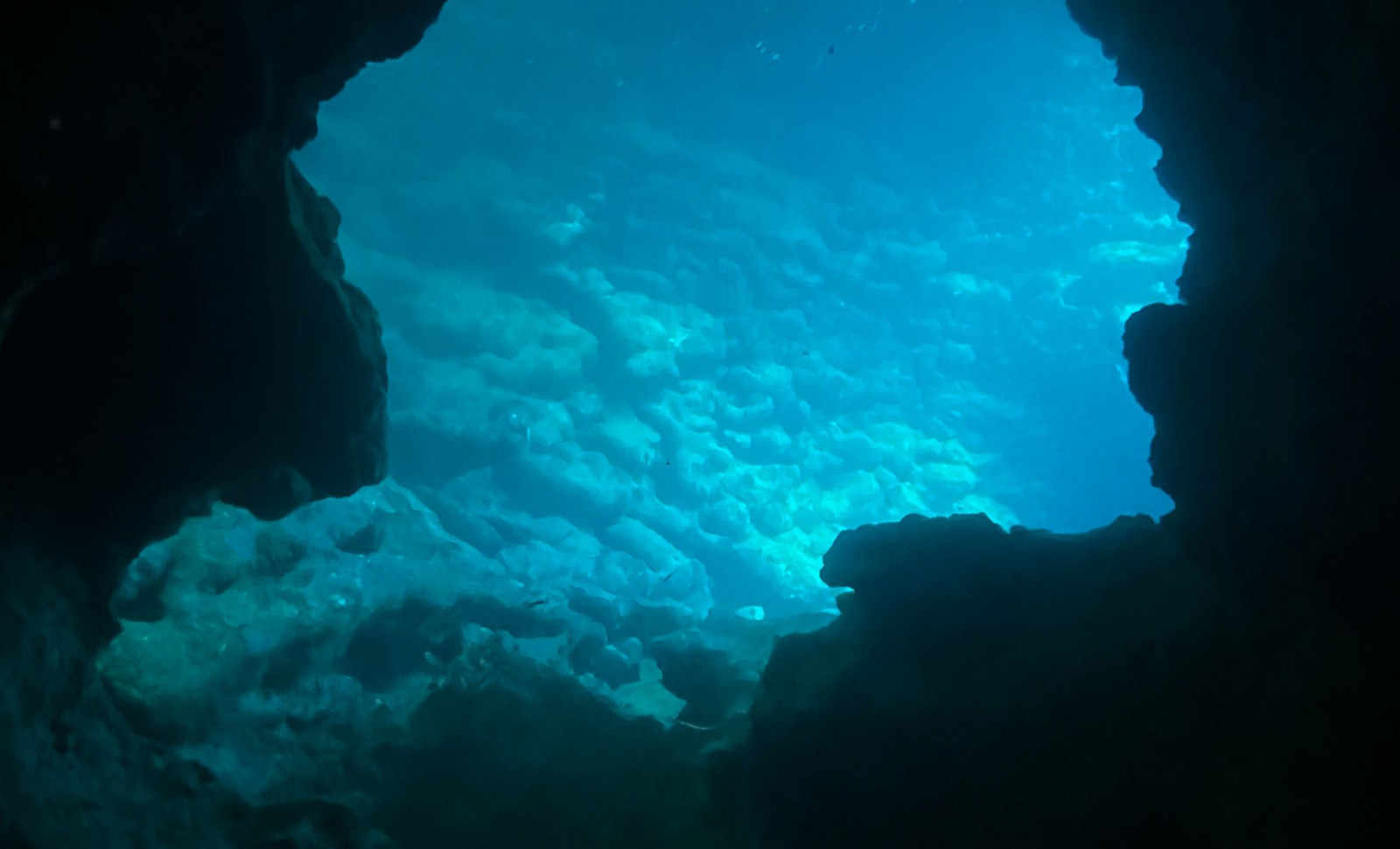
Scientists exploring nearly 6,200 meters beneath the Pacific Ocean have encountered enigmatic black spheres attached to the seabed, which upon examination revealed a novel species of flatworm.
This finding emerged from an investigation into the abyssopelagic zone, an area characterized by immense pressure, complete darkness, and minimal biological exploration. Due to its remote nature, observations from this depth remain exceptionally rare and frequently incomplete.
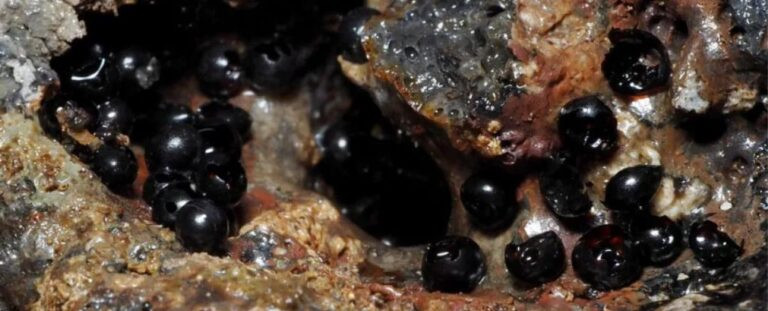
A collaborative effort between researchers at the University of Tokyo and Hokkaido University led to the collection of several of these spheres. Initially, their origin was uncertain, sparking curiosity about whether they were eggs or another unknown life form.

Discovery of Unusual Black Spheres Through Robotic Exploration
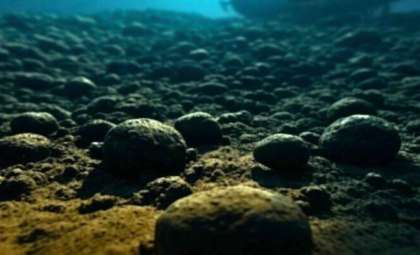
The spheres were initially detected by a remotely operated vehicle operating at around 6,200 meters deep in the Pacific Ocean. The research, detailed in Biology Letters, described the spheres as deep black and firmly anchored to a rocky surface, standing out amid the sparse abyssal landscape.
Despite limited understanding of their source, researchers decided to retrieve several samples for further study. The expedition's pilot, marine biologist Yasunori Kano, facilitated the extraction to examine them under laboratory conditions.
Unveiling the Contents Inside the Black Spheres
The retrieved samples were handed over to invertebrate experts from Hokkaido University for analysis. At first, their nature was unclear.
“When I first saw them, as I had never seen flatworm cocoons (and I didn’t know what cocoons look like),” said researcher Keiichi Kakui first suspected they might be protists.
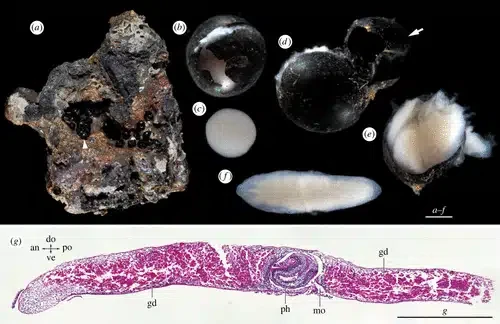
More detailed inspection shifted this perspective. Opening one of the spheres released a milky fluid, inside which tiny, delicate white creatures were observed. Kakui shared that upon dispersing the liquid,
“I found fragile white bodies in the shell and first realized that it was the cocoon of platyhelminths. At that time, I didn’t know how rare this finding was, and couldn’t identify what platyhelminth group they were. I was looking forward to studying them after coming back to my lab.”
Each cocoon housed multiple developing flatworms, confirming these structures were more than just single eggs—they served as reproductive capsules.
Setting a New Depth Benchmark for Flatworms
Genetic testing subsequently verified that these creatures belong to an unidentified species within the Platyhelminthes phylum. This marks the deepest recorded habitat for free-living flatworms to date.
Prior accounts had suggested flatworms inhabiting depths near 5,200 meters, although those observations were inconclusive due to specimens being found on drifting debris. This discovery provides solid proof of flatworms thriving at almost 6,200 meters depth.
Interestingly, the abyssal flatworms bear a close resemblance to their shallow-water relatives, showing no significant developmental adaptations despite enduring such a harsh environment. This raises intriguing questions regarding their survival mechanisms in depths previously thought inhospitable.
- Categories:
- Science



0 comments
Sign in to Comment