
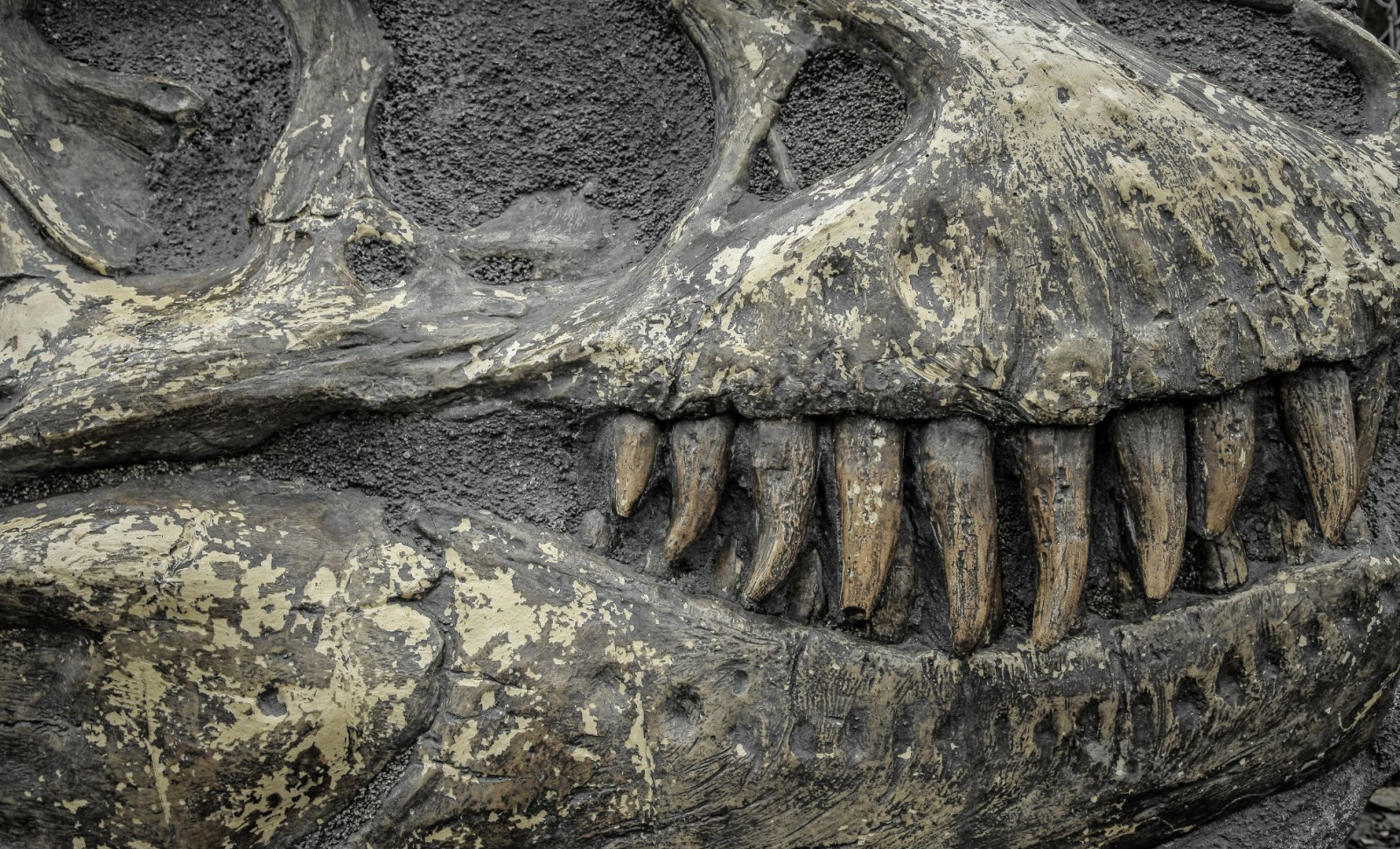
One of the most peculiar plant-eaters known to science is a dinosaur boasting nearly 500 functional teeth that were swapped out every two weeks. Nigersaurus taqueti, which roamed the Earth roughly 105 million years ago in present-day Niger, developed a feeding mechanism unlike that of any other dinosaur.
The species is renowned for its delicate skull structure, lightweight bones, and extraordinary dental system, captivating paleontologists since it was first described in 1999. Advances in modern scanning technology have been key to piecing together the anatomy of this exceptional creature.
The tale of Nigersaurus began in the arid regions of Niger, where French paleontologist Philippe Taquet led several expeditions during the late 1960s and early 1970s. Although numerous fossils were collected, the sauropod remains were initially overlooked due to the sheer volume of specimens.

Interest resurfaced in 1997 when a team led by Paul Sereno, a paleontologist and National Geographic Explorer, revisited the Gadofaoua site. The group uncovered additional material and formally identified the dinosaur in 1999 as Nigersaurus taqueti, honoring both the region and Taquet.
A Surprisingly Lightweight Titan
Despite Nigersaurus measuring close to 30 feet in length and weighing around two tons, its skeleton was unusually light for an animal of its size. Scientists examined a variety of bones, including intact neck vertebrae and skull pieces from multiple specimens, revealing a body design distinct from other large sauropods. Professor Jeff Wilson Mantilla noted:
“The skull bones were so strange looking that it was challenging to identify which element we were looking at.”
Some bones were so thin that light passed through them, underscoring the fragility of the fossils. Careful excavation and preparation were essential before researchers could fully understand the skull’s structure.
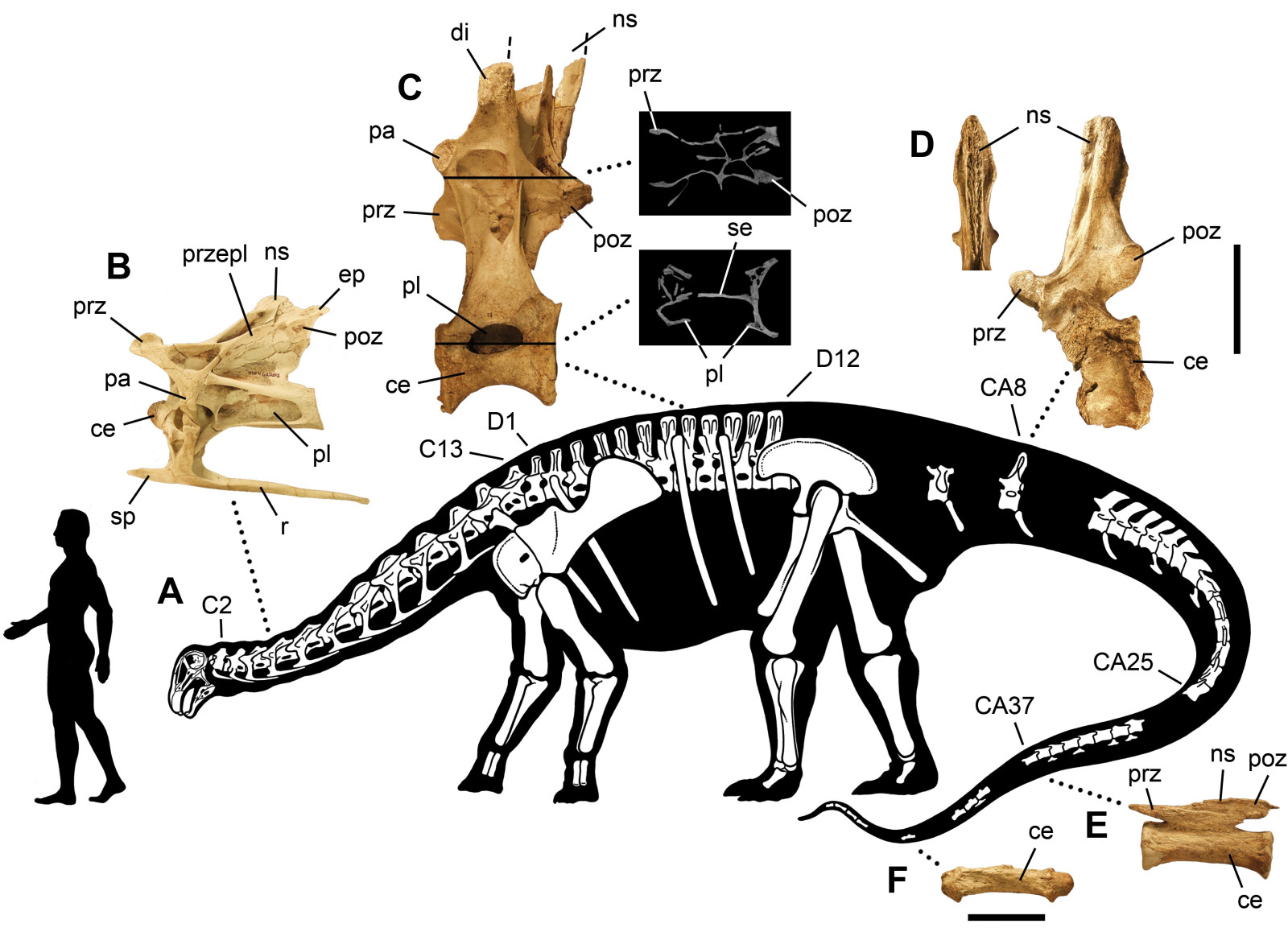
The team also discovered that the dinosaur had air sacs extending into several bones, reminiscent of those found in modern birds, a feature that helped lighten the skeleton while maintaining strength.
An Endless Grazing Machine
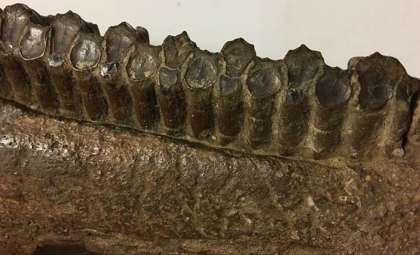
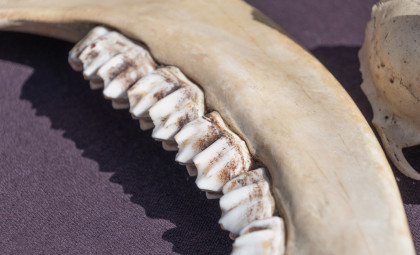
Nigersaurus stood out for its exceptional dental arrangement. At any moment, it had approximately 500 teeth in use, with replacement teeth continuously developing beneath the surface.
A study in PLOS One analyzed microscopic growth lines in fossilized teeth to determine its tooth replacement rate. Mantilla explained that counting these daily lines showed each tooth was replaced about every 14 days, while up to seven new teeth were forming behind each functional one.
Paul Sereno told National Geographic that the dinosaur’s mouth seemed adapted for “nipping instead of biting or chewing.” The broad, squared snout resembled that of today’s grazing mammals, and wear on the teeth suggested they slid past each other like scissors rather than crushing food.
The animal’s diet explains the rapid tooth turnover. Consuming ground-level plants such as horsetails, which contain abrasive silica, along with grit and sand from the terrain, would have quickly worn down its teeth.
Imaging Techniques Reveal Head Posture
Since no entire skeleton has ever been found, researchers had to assemble the dinosaur’s anatomy using fossils from different individuals. Modern medical imaging provided crucial assistance in this task.
In 2007, Mantilla and his team used CT scans to digitally capture the skull bones, then resized and combined the elements to create a full skull model. According to National Geographic, this was among the earliest uses of CT technology to reconstruct a dinosaur’s cranial anatomy.
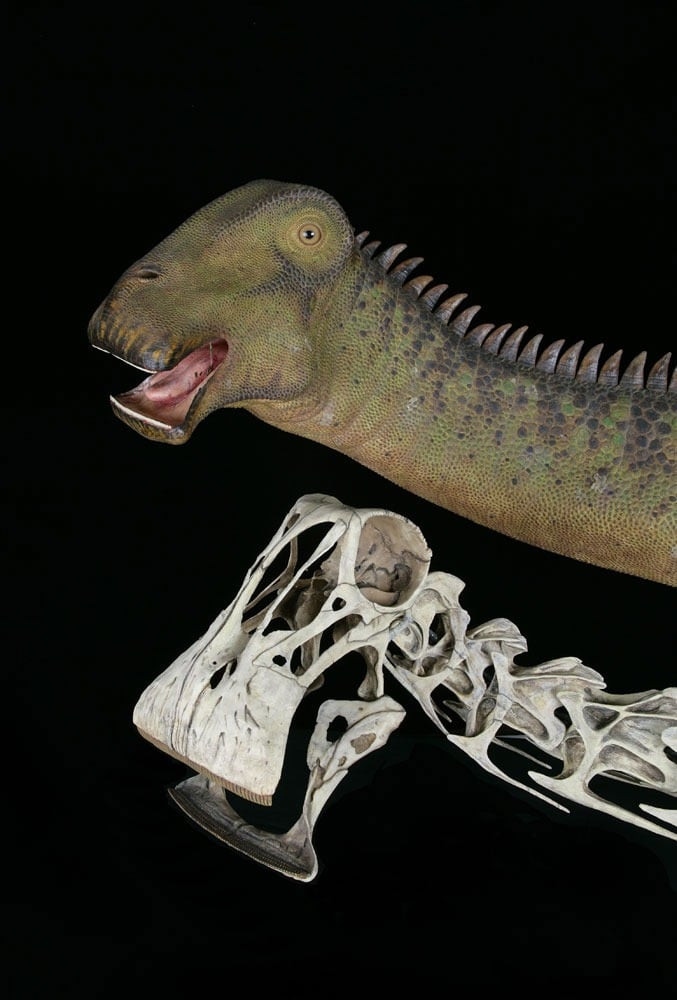
The Digimorph Lab at the University of Texas at Austin reported that the scans uncovered intricate internal details. They found that Nigersaurus naturally held its snout pointing downward, fitting with a grazing lifestyle. The digital model also suggested the dinosaur had limited reliance on its sense of smell while feeding.
- Categories:
- Science





0 comments
Sign in to Comment