
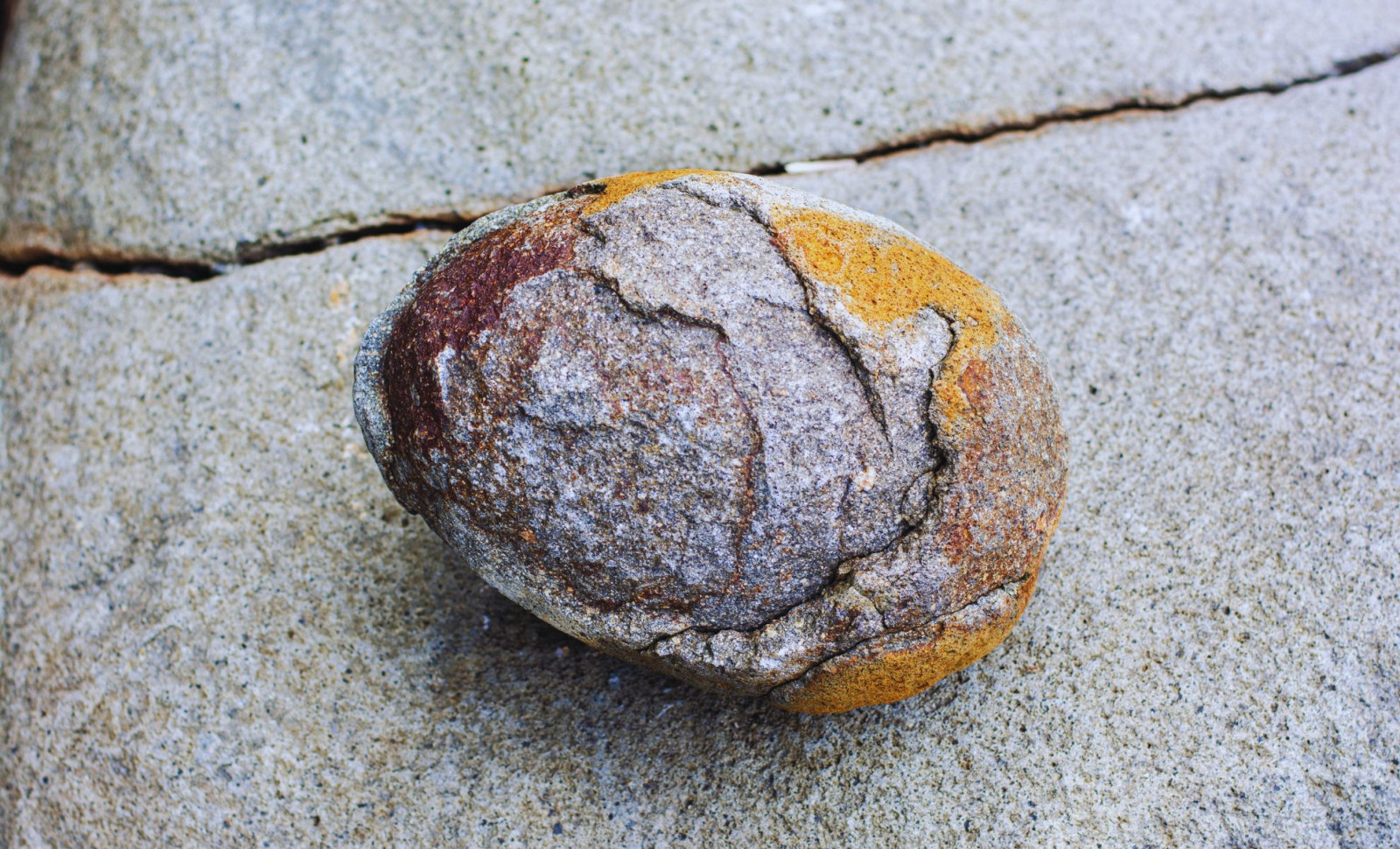
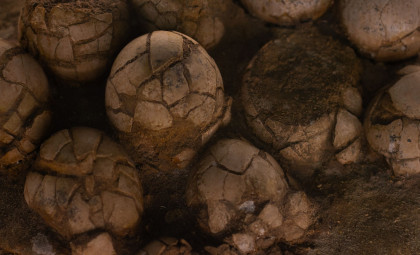
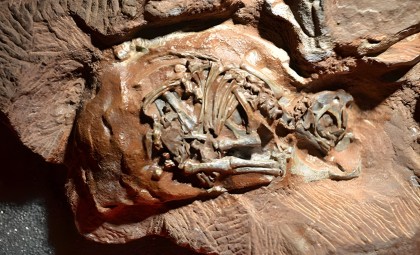
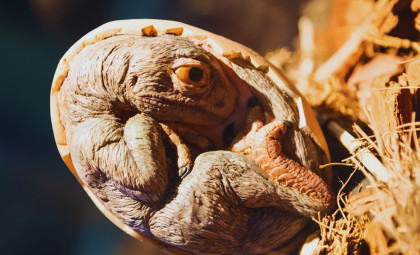
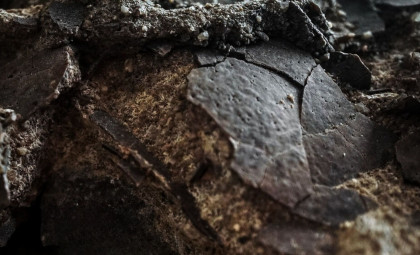
In southwestern China, researchers have uncovered the oldest dinosaur embryos ever recorded, dating back approximately 190 million years. These fossils exhibit various developmental stages and include rare traces of preserved organic materials.
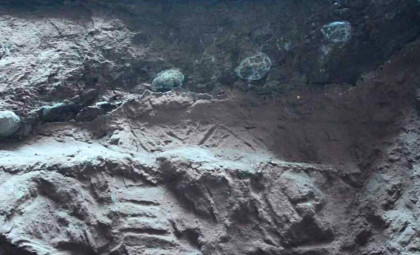
The specimens were excavated near Lufeng in Yunnan province and belong to Lufengosaurus, an Early Jurassic sauropodomorph with a long neck. Most previously discovered dinosaur embryos are from the later Cretaceous period, making this discovery a significant extension into earlier geological history.
A unique feature of this site is the diversity of embryonic remains found together, rather than a single snapshot of a nest.

Fossil Site Showcases Different Developmental Phases
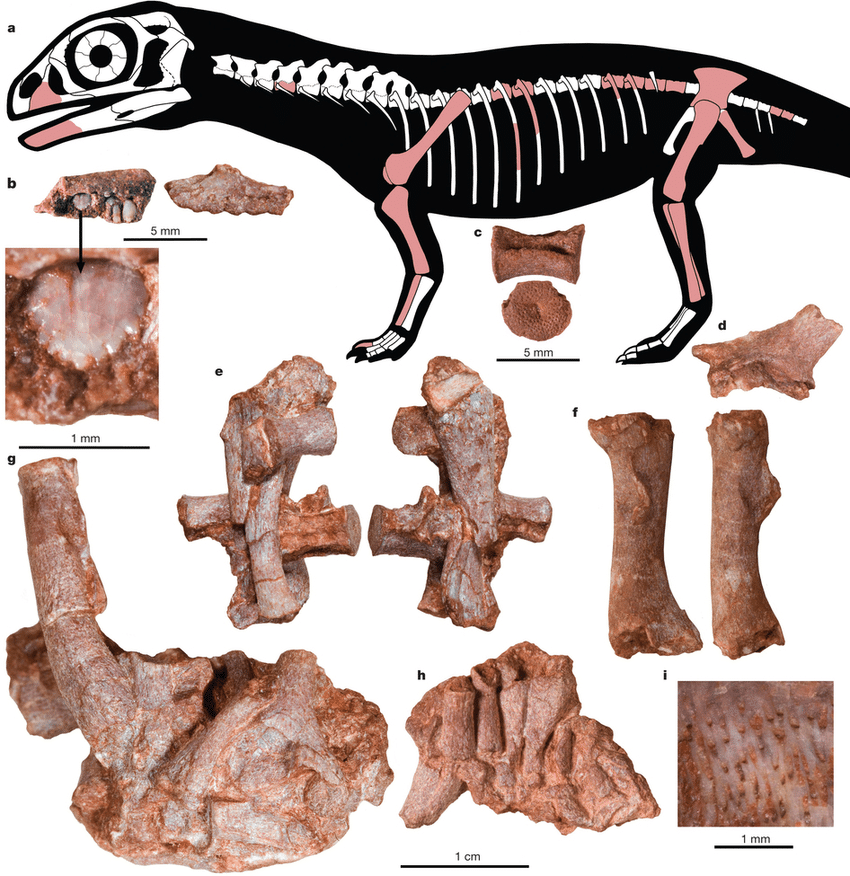
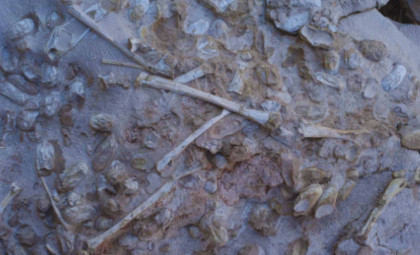
Scientists retrieved over 200 bones, corresponding to about 20 embryos at varying stages of growth. Dr. Robert Reisz from the University of Toronto Mississauga suggests these bones likely originated from several communal nests clustered in the same area.
“We are opening a new window into the lives of dinosaurs. This is the first time we’ve been able to track the growth of embryonic dinosaurs as they developed. Our findings will have a major impact on our understanding of the biology of these animals.”
Such an arrangement is uncommon, as most fossilized embryos are typically found isolated within a single nesting site, capturing only a moment in development. Published in Nature, the Lufeng discovery functions like a growth timeline preserved in one location.
Rapid Development Revealed Inside the Egg
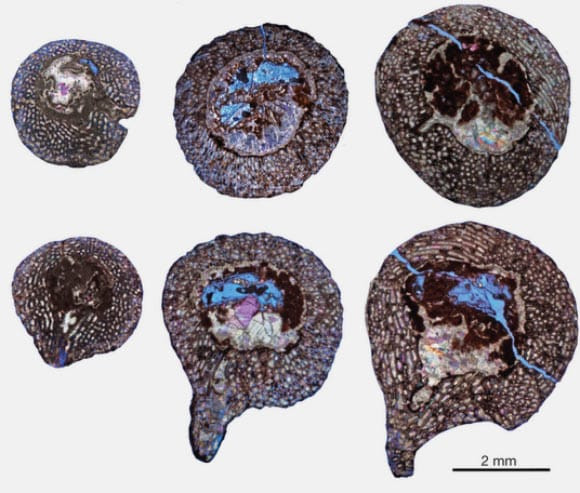
To investigate embryonic growth, the team studied the femur bones and found a notable growth pattern: the bone length doubled from 12 to 24 millimeters during incubation. This suggests a rapid developmental rate within the egg.
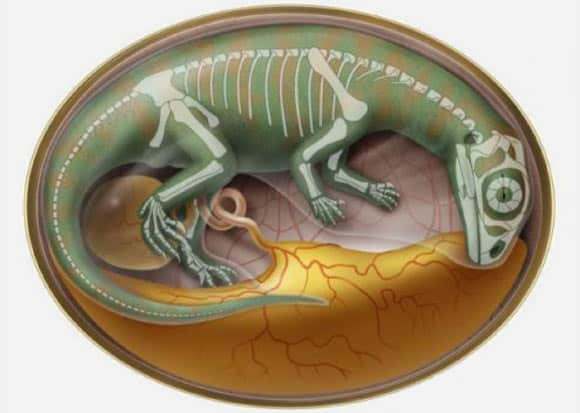
This observation implies that these early dinosaurs were capable of moving while still inside their eggs, a behavior observed in modern birds but previously undocumented for dinosaurs. Dr. Reisz commented:
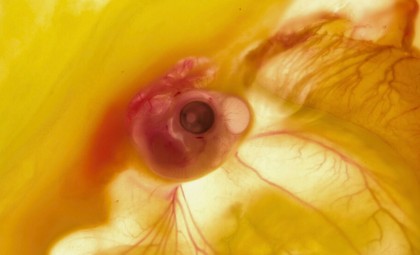
“This suggests that dinosaurs, like modern birds, moved around inside their eggs,” he added that “it represents the first evidence of such movement in a dinosaur.”
Exceptional Preservation of Organic Materials
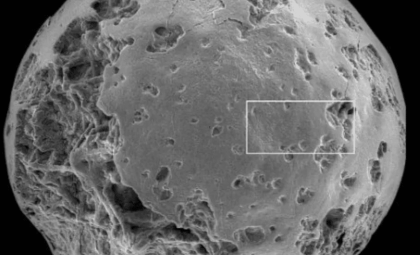
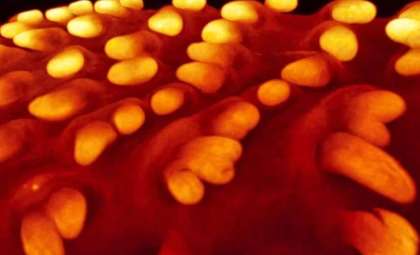
Chemical analyses using infrared spectroscopy revealed traces consistent with collagen fibers, a structural protein commonly found in bone. According to the research team, discovering organic molecules of this kind in fossils of such antiquity is exceptionally rare, as these embryos are over 100 million years older than others where similar residues have been identified.
“A find such as the Lufeng bonebed is extraordinarily rare in the fossil record, and is valuable for both its great age and the opportunity it offers to study dinosaur embryology. It greatly enhances our knowledge of how these remarkable animals from the beginning of the Age of Dinosaurs grew.”
- Categories:
- Science

0 comments
Sign in to Comment