
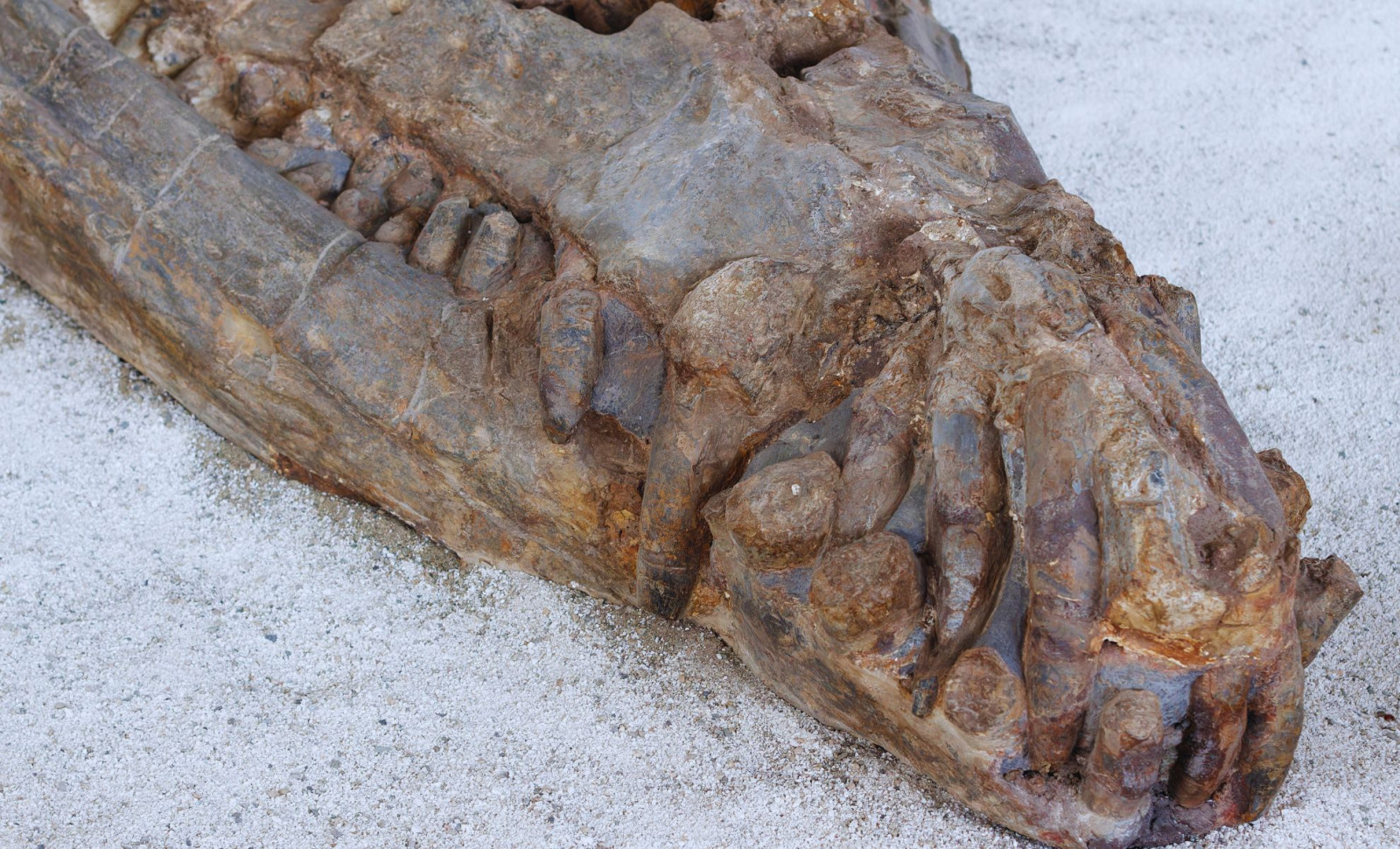
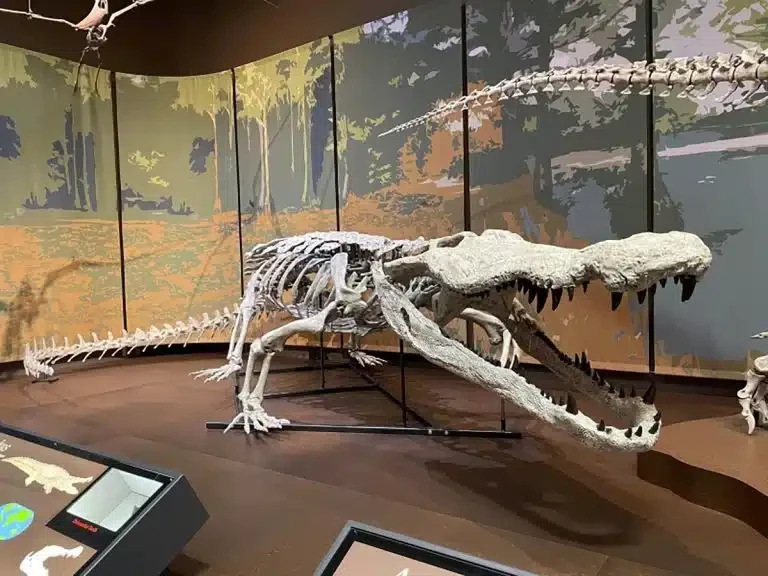
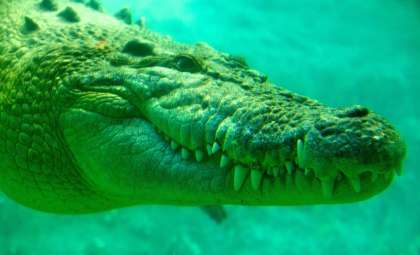
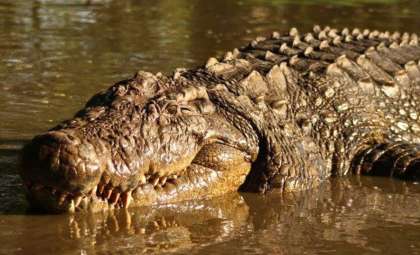
Researchers have unveiled the first fully accurate, life-sized model of Deinosuchus schwimmeri, a giant prehistoric crocodile that once dominated North America's waterways. Nicknamed the “dinosaur slayer,” this enormous reptile could reach lengths of up to 31 feet and was a formidable force during the Late Cretaceous era.
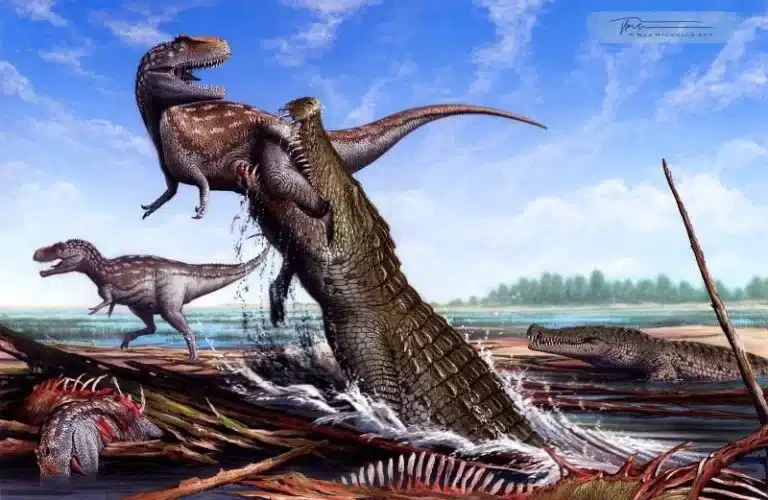
Displayed now at Georgia's Tellus Science Museum, this replica represents decades of intensive study led by Dr. David Schwimmer, a paleontologist who has dedicated over 40 years to investigating this ancient predator. The massive Deinosuchus was a top predator of its time, capable of hunting large dinosaurs such as Appalachiosaurus.
A Formidable Predator of Its Time
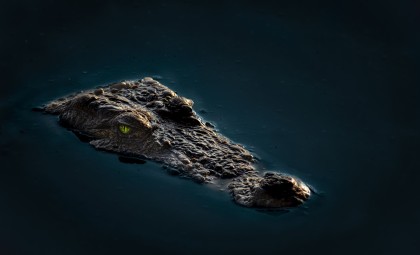
Deinosuchus schwimmeri inhabited the region currently known as the southeastern United States around 83 to 76 million years ago. As Dr. David Schwimmer explains, this enormous croc was the apex predator in its ecosystem, preying on massive dinosaurs like Appalachiosaurus. Its incredible size, reaching lengths of 31 feet, made it a dominant presence in the rivers and coastal areas of its habitat. Known as the “dinosaur slayer,” it earned this moniker by hunting large herbivorous dinosaurs. The findings, published in the Journal of Vertebrate Paleontology, demonstrate how this giant crocodile was expertly adapted to its aquatic environment, employing ambush techniques to capture prey.

The new exhibit at the Tellus Science Museum demonstrates just how colossal Deinosuchus truly was, giving visitors a tangible sense of its immense stature. Schwimmer highlighted that the giant crocodile’s size and strength distinguished it from predators of its day, marking it as a leading figure throughout the Late Cretaceous.
“The scale of the dinosaurs and other creatures that lived during [the Late Cretaceous epoch] is hard to capture in words or pictures. We can tell you that Deinosuchus is 30 feet long, but seeing it is far more impactful.” said Rebecca Melsheimer, the museum’s curatorial coordinator.
Reviving an Ancient Predator
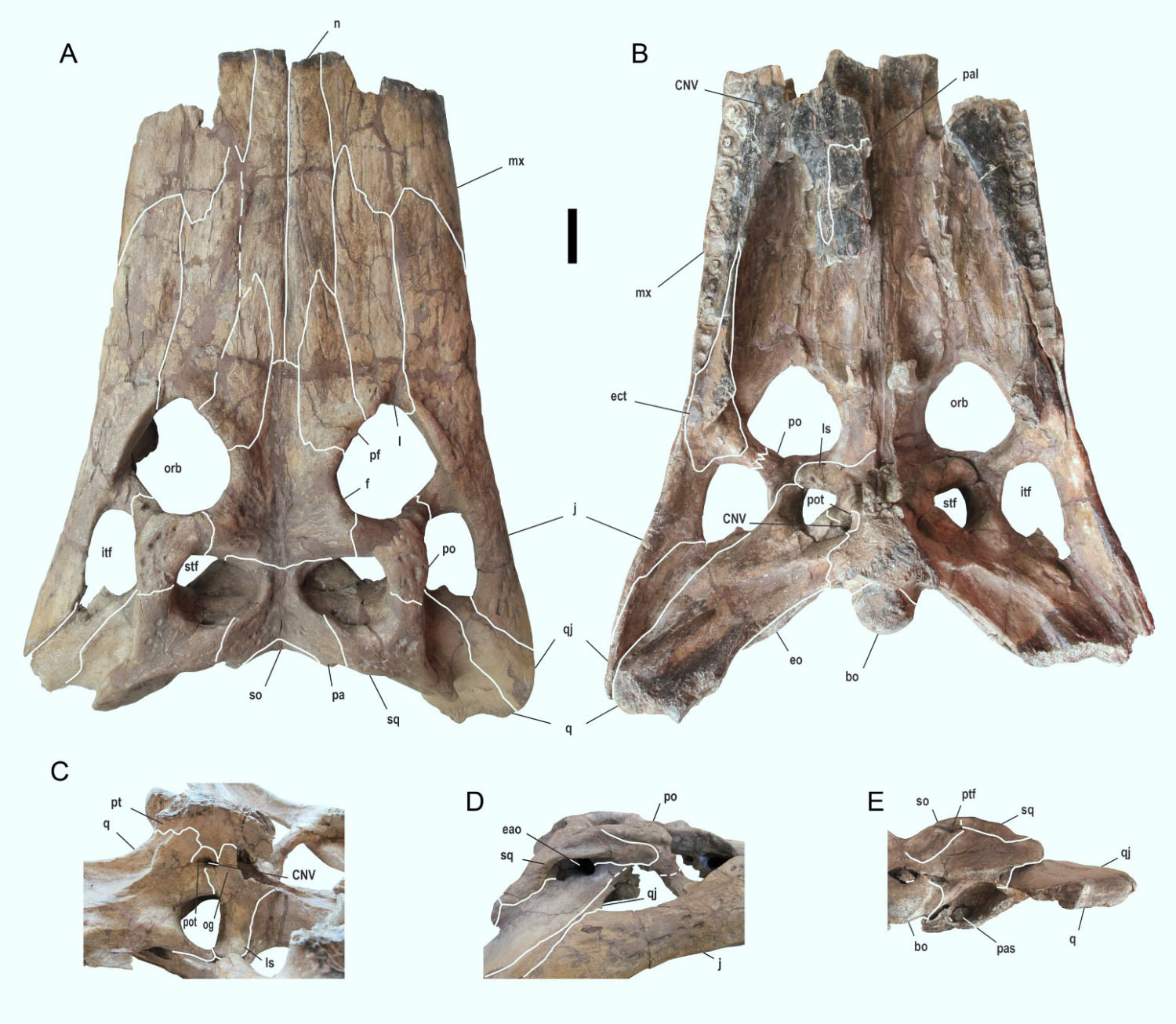
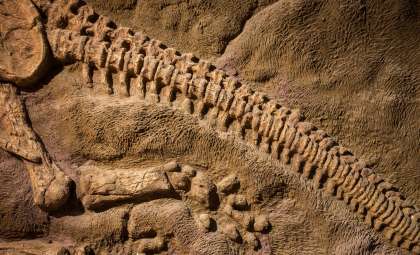
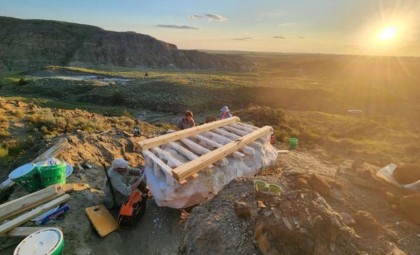
Constructing this life-sized model took over two years of dedicated work, with research on the species beginning back in 1979. The project was carried out in collaboration with Triebold Paleontology, a renowned expert in crafting scientifically precise fossil reproductions. Utilizing high-resolution 3D scanning technology on fossil specimens, the team was able to reconstruct the skeleton and signature dermal armor of the croc, ensuring an authentic representation.
The process presented significant challenges due to the fragmented nature of the fossil record, scattered among multiple excavation sites. The team carefully pieced together these remains to create the most precise model possible. Schwimmer shared:
“These replicas are more than just creating a ‘scare factor,’” he said. “Understanding dinosaurs’ predatory habits helps us decode some of nature’s greatest survival strategies. By studying these ancient apex predators, we are essentially looking back in time to see exactly how life adapted and dominated a changing world.”
A Lasting Passion for Prehistory
Dr. Schwimmer’s extensive work on Deinosuchus has cemented his status as a leading authority on Cretaceous period ecosystems. His groundbreaking findings—including the first discoveries of Deinosuchus fossils in Georgia and clues about early flying reptiles—have greatly enhanced our picture of prehistoric life. His 2002 publication, King of the Crocodylians, remains a vital resource for enthusiasts and scholars of giant prehistoric animals.
As noted by Hannah Eisla, the Tellus Science Museum’s education director, the Deinosuchus model is transformative for learners.
“Many of these students come on school field trips specifically to learn more about the region they call home and how it has changed over time. The addition of Deinosuchus schwimmeri allows us to provide a more detailed picture of this area’s ecosystem in the Cretaceous Period.” Eisla said.
With this impressive display, the museum offers an immersive window into ancient history that textbooks alone can’t match.
- Categories:
- Science


0 comments
Sign in to Comment