
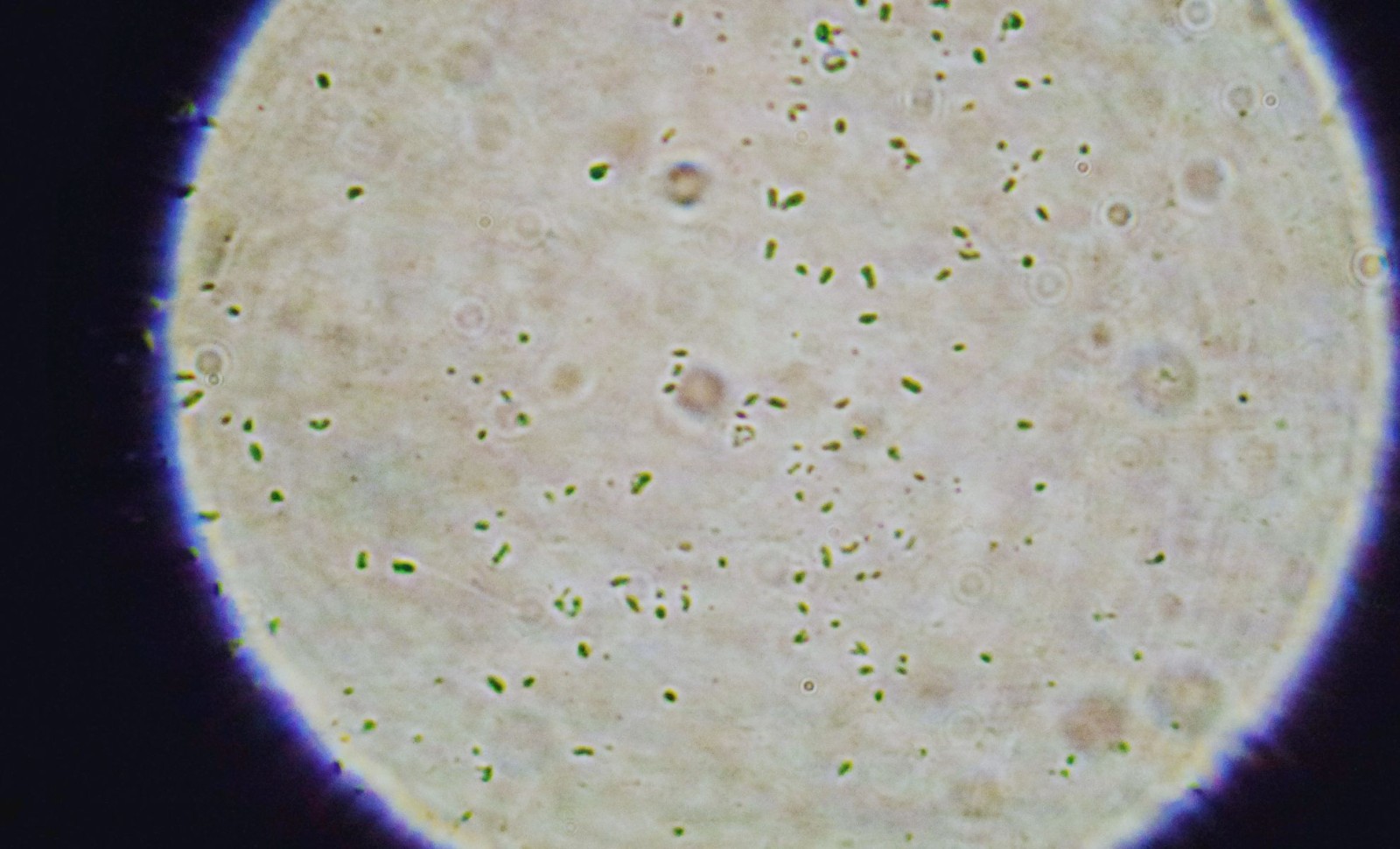
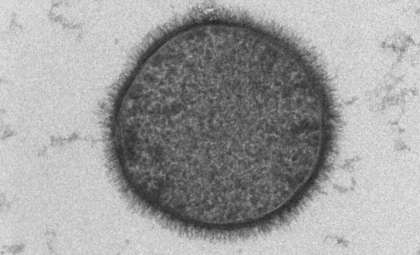
Scientists have uncovered a resilient bacterium lurking within NASA’s sterile clean rooms, sparking concerns that Earth-origin microbes could have inadvertently stowed away to Mars. A recent paper in Microbiology Spectrum reveals that Tersicoccus phoenicis achieves survival by entering a dormant state, effectively “playing dead,” enabling it to withstand rigorous sterilization protocols in some of the planet’s most sanitized environments.
Discovery of Bacteria in Two Distinct Cleanroom Facilities Surprised Experts
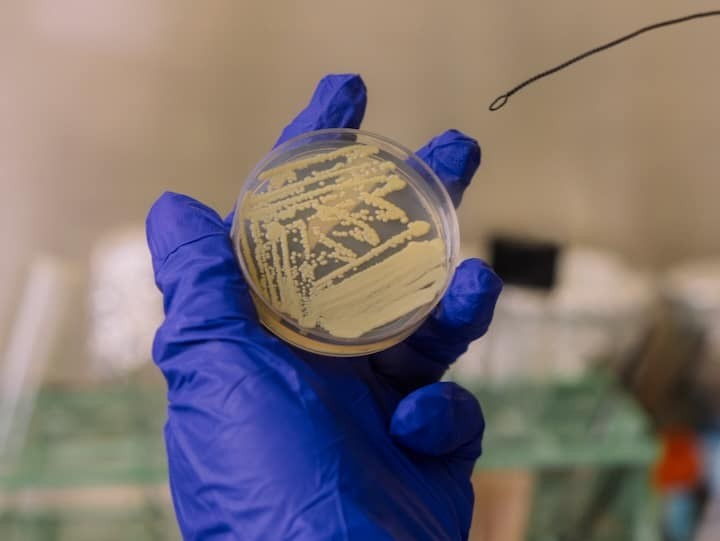
Crafted to eliminate contamination risks, NASA’s clean rooms are critical for spacecraft destined to probe extraterrestrial life. Yet, in 2013, researchers identified an entirely new bacterial species, T. phoenicis, present in not one but two separate clean rooms— one at NASA’s Kennedy Space Center in Florida and the other at the European Space Agency’s site in French Guiana.
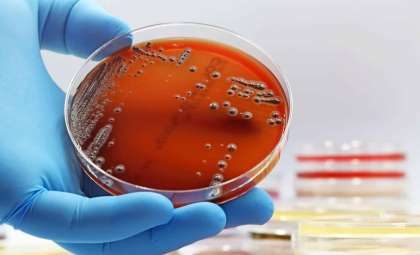
The research published in Microbiology Spectrum detailed how this microorganism dodged detection despite extensive cleaning measures involving ultraviolet light, chemical sterilizers, and sustained dry heat treatments. It was only through genetic testing of clean room swabs that scientists realized these bacteria had slipped beneath the radar.

NASA’s Sterilization Tactics Bypassed by Dormancy Strategy
The remarkable ability of T. phoenicis to survive lies in its capacity to shut down metabolic activity nearly completely. Microbiologist Madhan Tirumalai from the University of Houston explains, “The bacterium is not dead but rather playing dead.” This deep dormancy renders it unresponsive even to nutrient stimuli designed to reveal microbial life.
Researchers analyzing its genome identified a gene that codes for a protein called resuscitation-promoting factor (Rpf), which can reactivate dormant bacteria—but only when Rpf is present. Importantly, Rpf is abundant on human skin but absent in sterile clean rooms. “Everyone has it — you, me, everyone,” noted study co-author William Widger, underscoring the ease of reawakening dormant microbes in human-occupied environments.
When exposed to Rpf, T. phoenicis can revive and start multiplying, explaining why it eluded detection for so long and suggesting that microbial contamination risks on space missions might be underestimated.
Is It Possible This Bacterium Reached Mars?
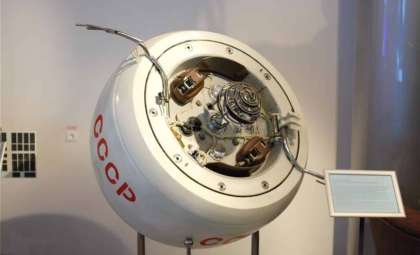
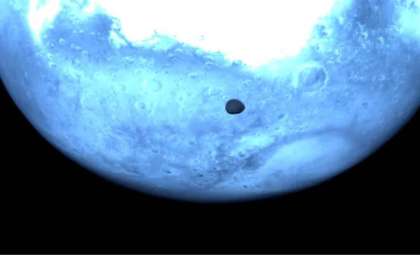
The timing raises concerns. T. phoenicis was identified in clean rooms during preparations for the Phoenix Mars lander mission, which launched in 2007 aiming to explore the red planet’s arctic region. If the bacterium was already present and in a dormant state, there is a chance it was transported to Mars.
Although enduring the journey through space and Mars’s extreme conditions might be unlikely, it cannot be ruled out. The real issue is the potential that terrestrial microbes have already been unknowingly dispatched into extraterrestrial environments.
NASA maintains comprehensive records of microbes found in clean rooms to differentiate them from alien life, but bacteria like T. phoenicis, which evade detection, complicate these efforts.
Microbial Adaptation Challenges Cleanroom Standards
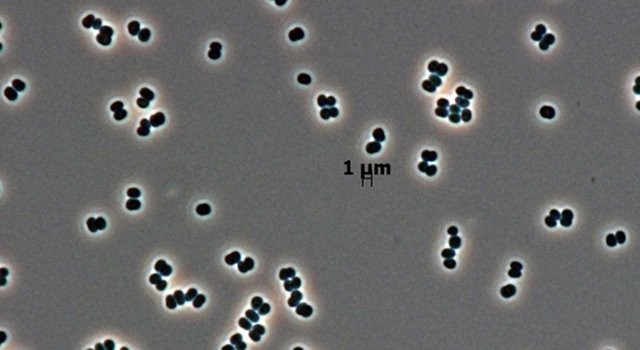
Despite stringent measures, ongoing studies reveal hundreds of microbial species persisting in cleanroom environments. In 2025 alone, scientists identified 26 novel bacterial strains from swabs taken at NASA and ESA facilities.
These microbes employ diverse survival tactics, including spore formation and metabolizing residual chemicals in cleaning agents. However, dormancy, as exhibited by T. phoenicis, represents a particularly effective survival mechanism, allowing bacteria to remain undetectable until stimulated by specific triggers possibly found aboard spacecraft or human habitats in space.
To address this challenge, researchers are developing enhanced detection techniques. Genetic sequencing enables identification of bacterial DNA even when cells are inactive. Another approach involves introducing Rpf artificially to revive dormant bacteria for detection and eradication. “Once revived, antibiotics that normally kill the bacteria become effective,” explained Widger.
Although the International Space Station has seen no significant microbial infections, and astronauts follow strict quarantine protocols, extended missions to the Moon and Mars will test our ability to anticipate and manage microbial behavior in extraterrestrial settings.
- Categories:
- News





0 comments
Sign in to Comment