
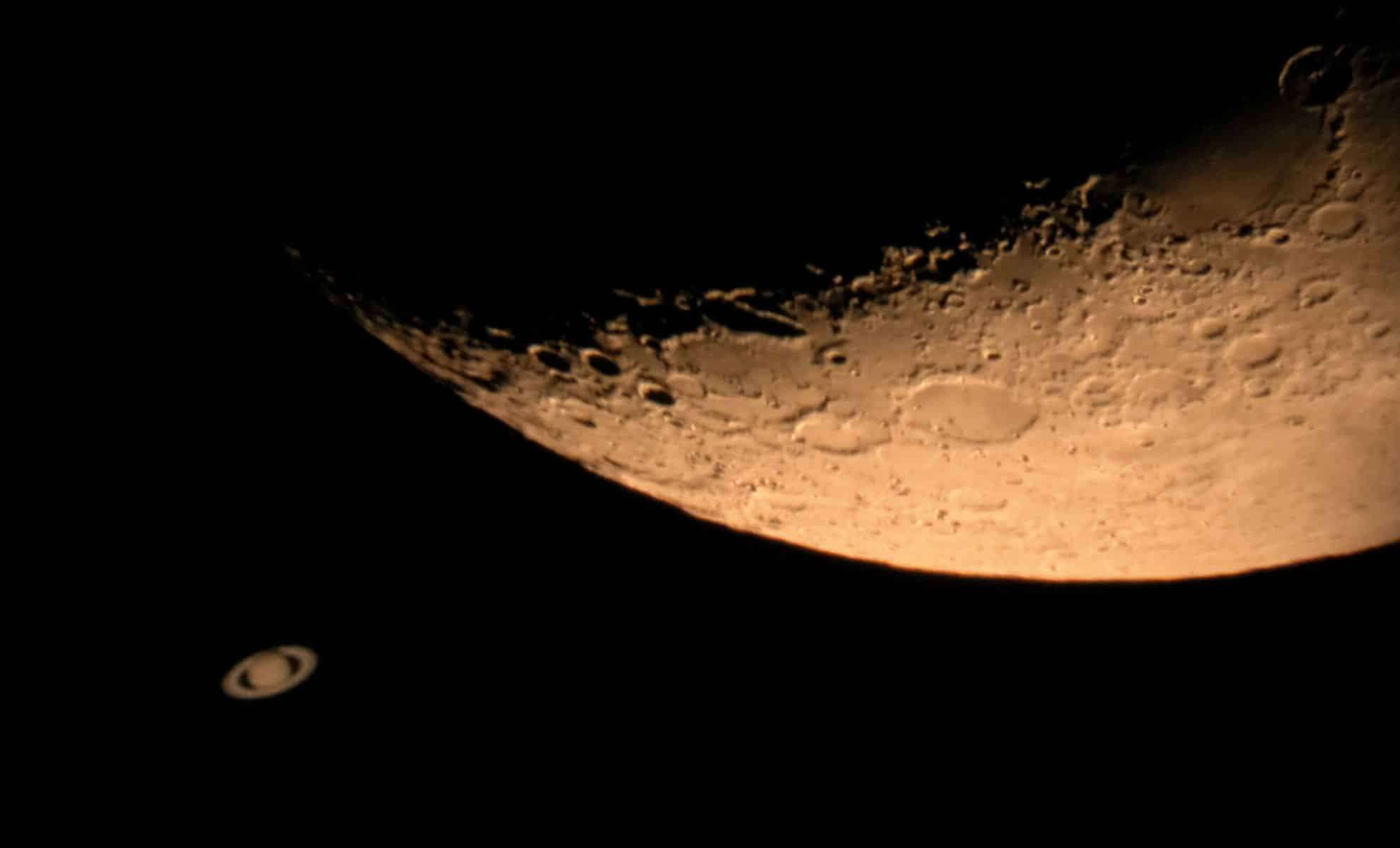
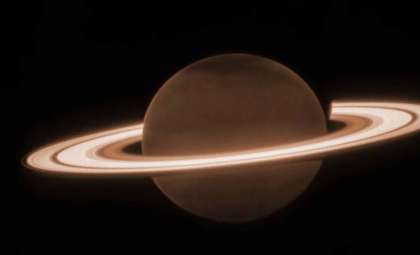
On July 24, 2025, the arrival of the new moon will set the stage for an incredible skyward spectacle. According to Space.com, this new moon takes place precisely at 3:11 p.m. Eastern Time (1911 UTC), signaling the beginning of a fresh lunar cycle. At this time, Saturn will shine brightly within the Pisces constellation, offering stargazers a rare scene of the gas giant seemingly swimming amid the stars representing fishes.
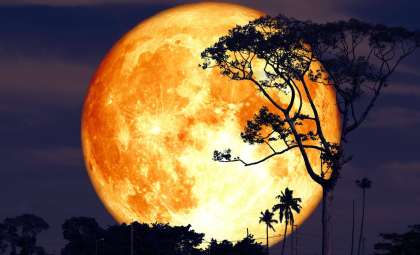
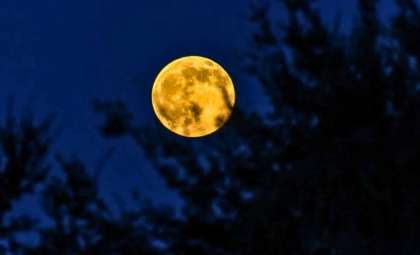
Unlike phases when the moon is easily seen, the new moon hides its sunlit face from Earth, making it nearly invisible. This happens because the moon aligns closely with the sun in the sky. Though the moon remains out of view, the conditions are perfect to enjoy remarkable views of planets, particularly Saturn, which will appear shortly after Mars dips below the horizon.
This piece covers the importance of the new moon phase, the prime windows for spotting Saturn, and highlights key viewing advice tailored for observers in both hemispheres.

Understanding the New Moon: A Subtle Yet Important Celestial Marker
The new moon at 3:11 p.m. ET (1911 UTC) marks the moment the moon and sun share the same celestial longitude, with the moon’s dark side facing Earth. This means the moon cannot be seen with the naked eye and often marks the start of many lunar calendars and cultural months.
Unlike the moon phases glowing brightly in the night sky, the new moon offers a rare absence of lunar light. Because the moon is closely positioned near the sun, its illuminated side is turned away, preventing visibility. The next partial solar eclipse will not occur until September with visibility in the Southern Hemisphere, so currently, attention turns to other dazzling planetary sights.
Saturn in Pisces: A Celestial Encounter Among the Fishes
For those in Northern mid-latitude regions, Saturn’s rise on July 24, 2025, is a captivating event. Saturn will appear after Mars sets at roughly 10:56 p.m. in New York, residing within the faint Pisces constellation. This part of the night sky often goes unnoticed, especially in cities where artificial lights blur distant stars. Yet on this night, Saturn’s rings and position will make it unmistakably prominent.
Saturn will peak just before dawn around 4:30 a.m. on July 25, reaching an altitude of about 37 degrees above the south-southeast horizon. Observers in dark locations will enjoy a stunning spectacle as Saturn stands out near the “circlet of fishes,” Pisces’ characteristic star pattern.
Tips for Observing Saturn and Other Nighttime Planets
To get the best views of Saturn, aim for late-night hours when the sky is fully dark. Mars will be low in the southwest early in the evening on July 24 but sets by about 10:32 p.m. in New York. While it may be initially obscured by twilight, its red color can still be discerned once night deepens.
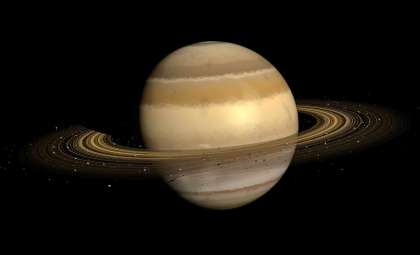
Saturn will be the highlight as darkness falls, clearly visible against Pisces’ subtle stars. Observers away from city lights will have the clearest views. With a telescope, Saturn’s iconic rings become truly mesmerizing, revealing one of the solar system’s most spectacular features.
In the Southern Hemisphere—such as in Melbourne, Australia—the new moon falls on July 25, with Saturn rising at 10:09 p.m. From this vantage point, Pisces’ “circlet of fishes” appears brighter as Saturn ascends. It will reach nearly 53 degrees high in the northern sky at around 4:16 a.m., offering impressive views for southern skywatchers.
Other Visible Planets: Venus and Jupiter Join the Celestial Show
While Saturn dominates the late night, other planets appear as dawn nears. Venus, known as the “morning star,” rises shortly after Saturn at 2:51 a.m. on July 25 in New York, shining brilliantly in the Taurus constellation. It stands out as the brightest object in the early morning sky, about 17 degrees above the horizon.
Jupiter follows at 3:58 a.m., located in Gemini. However, its low position and the coming sunrise may make it harder to spot. When visible, Jupiter will lie below and slightly to the left of Venus, creating a captivating planetary arrangement with the two along with Saturn as morning advances.
Maximizing Your Stargazing: Practical Viewing Advice
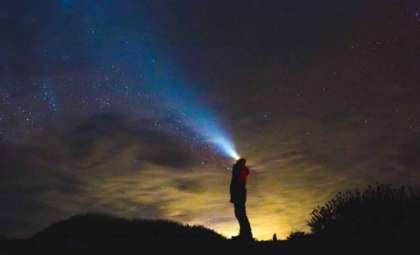
For an unforgettable night under the stars, consider timing and location carefully. Saturn shines best late at night after darkness fully settles. City lights may hinder views, so traveling to dark-sky areas is beneficial for spotting Saturn and nearby constellations.
Don’t overlook Venus and Jupiter’s early morning appearances. Clear, unobstructed horizons enhance visibility of these planets. Telescope users should start with Venus due to its brightness, then shift focus to Jupiter and Saturn for more detailed observations.
Expanding Your Nighttime Perspective: The Rich Night Sky
Beyond the planetary highlights, other dazzling stars and constellations enrich the night sky during this period. The Summer Triangle, formed by Vega, Deneb, and Altair, rises in the east, accompanied by the Big Dipper, Cygnus the Swan, and Lyra the Lyre constellations—offering a rich celestial panorama.
Although Saturn is the evening’s star attraction, the night is filled with countless cosmic wonders—from the Milky Way glowing within the Triangle to diverse constellations visible across hemispheres. Whether using binoculars or a powerful telescope, the July night sky invites exploration and awe.
- Categories:
- News

0 comments
Sign in to Comment