
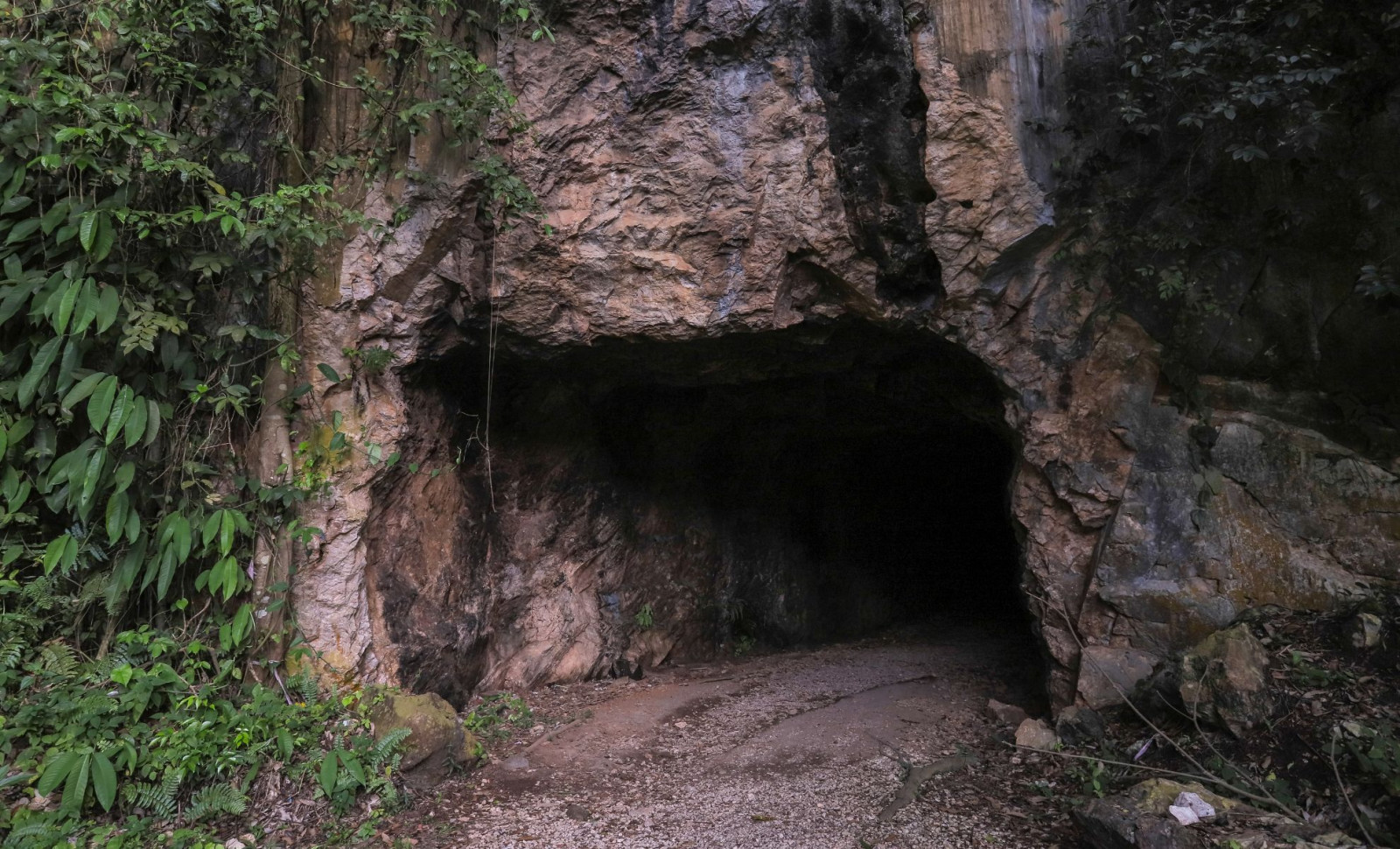
Mammoth Cave in Kentucky stretches an incredible 426 miles (686 kilometers), making it the planet's most extensive known cave system. With a timeline spanning millions of years, this underground marvel continues to fascinate both scientists and adventurers, though vast portions remain undiscovered.
This hidden realm boasts remarkable geological formations and a wealth of biological diversity. Its immense size, ancient origins, and exclusive ecosystems render it an invaluable resource for study and a place of haunting beauty for visitors. As a UNESCO World Heritage site, Mammoth Cave is preserved not only for its natural features but also for its historical importance.
An Immense Network Beneath the Surface
The cave system sprawls across an astonishing 426 miles, earning the title of the world's largest underground maze. According to Discover Wildlife, it encompasses five interconnected levels, with the deepest extending down to 379 feet (118 meters). While much has been charted, numerous sections are still unexplored.

Covering an area of 106 square miles, Mammoth Cave's full reach may surpass current estimates. To put this in perspective, its length is longer than the entire coastline of Washington state.
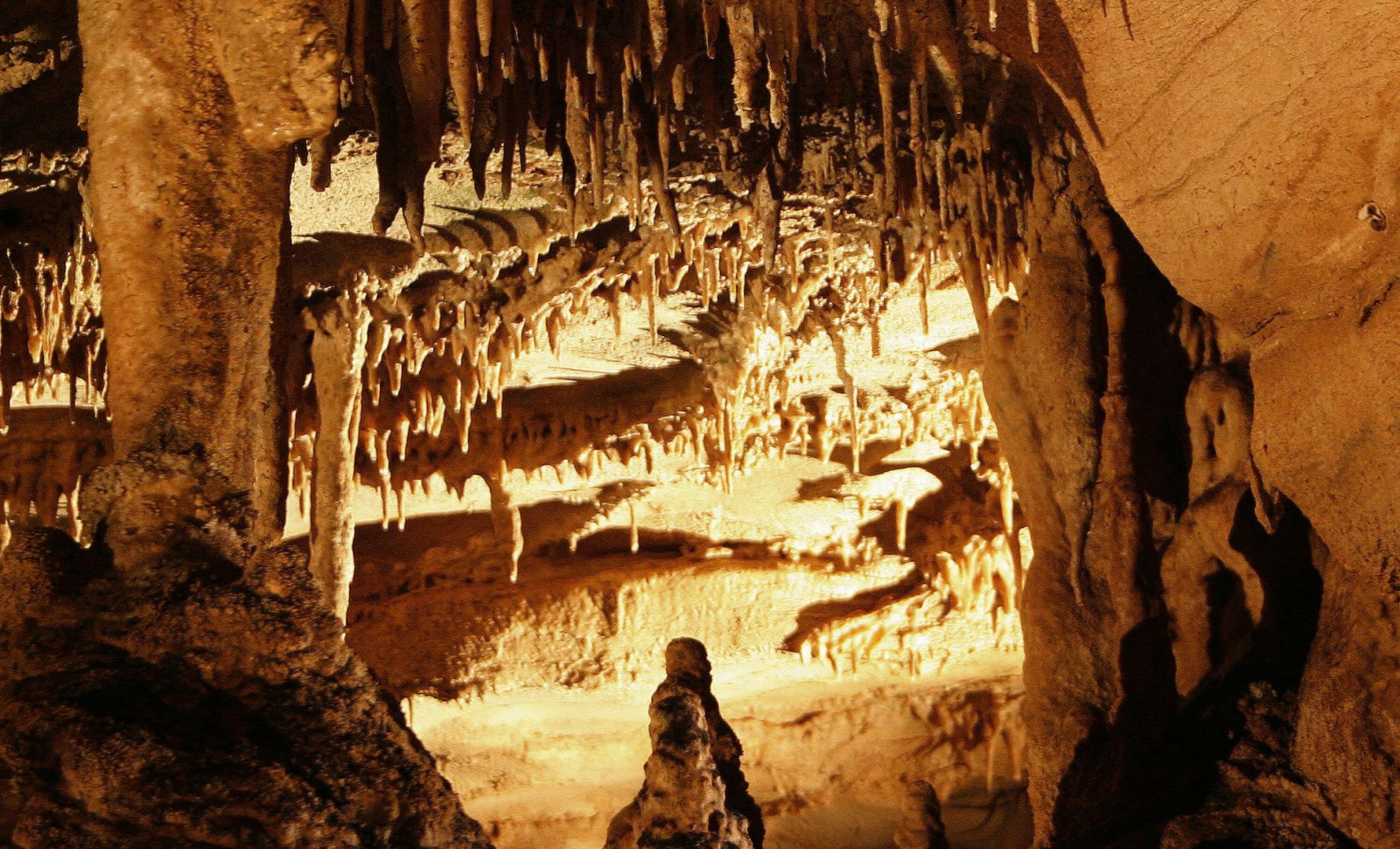
“The long passages with huge chambers, vertical shafts, stalagmites and stalactites, splendid forms of beautiful gypsum flowers, delicate gypsum needles, rare mirabilite flowers and other natural features of the cave system are all superlative examples of their type. No other known cave system in the world offers a greater variety of sulfate minerals,” wrote the UNESCO World Heritage Centre.
A Refuge for Uncommon Lifeforms
The cave shelters numerous unusual species adapted to its dark, isolated habitats. According to the official UNESCO page, over 130 animals inhabit this rare ecosystem, many found nowhere else on Earth.
This includes creatures like the Allegheny woodrat, the Rafinesque big-eared bat, and distinctive cave beetles. The underground streams are also home to the southern and northern cavefish, which spend their entire lives in these dark waters.
An Ever-Expanding Journey of Discovery
Mammoth Cave’s recorded history traces back roughly 5,000 years, with Indigenous people entering its passages long before modern times. Discover Wildlife notes that systematic exploration began in the 1800s, when Stephen Bishop, an enslaved man, became one of the earliest pioneers mapping parts of the cave system during the 1840s.
A landmark event occurred in 1972, when researchers found that Mammoth Cave connected with the nearby Flint Ridge cave system, pushing the combined length to about 144 miles (232 kilometers). Today, visitors can explore selected sections on guided tours to gaze upon its enormous underground caverns. Nonetheless, much remains restricted to safeguard the delicate environment, as continuous exploration and scientific studies unlock new secrets beneath the surface.
- Categories:
- News






0 comments
Sign in to Comment