
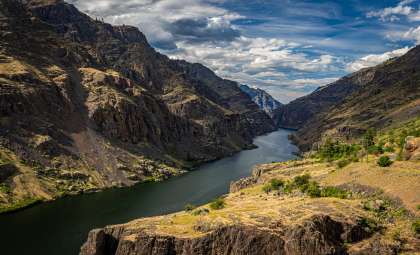
Scientists have made an extraordinary finding in the Grand Canyon, uncovering exceptionally well-preserved Cambrian fossils that date back more than 500 million years. These fossils, discovered in a unique geological formation, are poised to transform our knowledge of early animal ecosystems.
Leading the research, a team from the University of Cambridge has detailed their findings in a study that explores how these primeval creatures lived, adapted, and evolved within what the researchers term a “Goldilocks zone” for evolutionary success.
A Remarkable Cambrian Fossil Find
The fossils originate from a series of shale deposits formed during the Cambrian explosion, a critical interval between 507 and 502 million years ago noted for rapid biological innovation and the emergence of numerous animal phyla. During a 2023 field expedition by the Cambridge team along the Colorado River in Arizona, 29 distinct shale samples were collected, each exhibiting diverse hues, textures, and weathering effects.
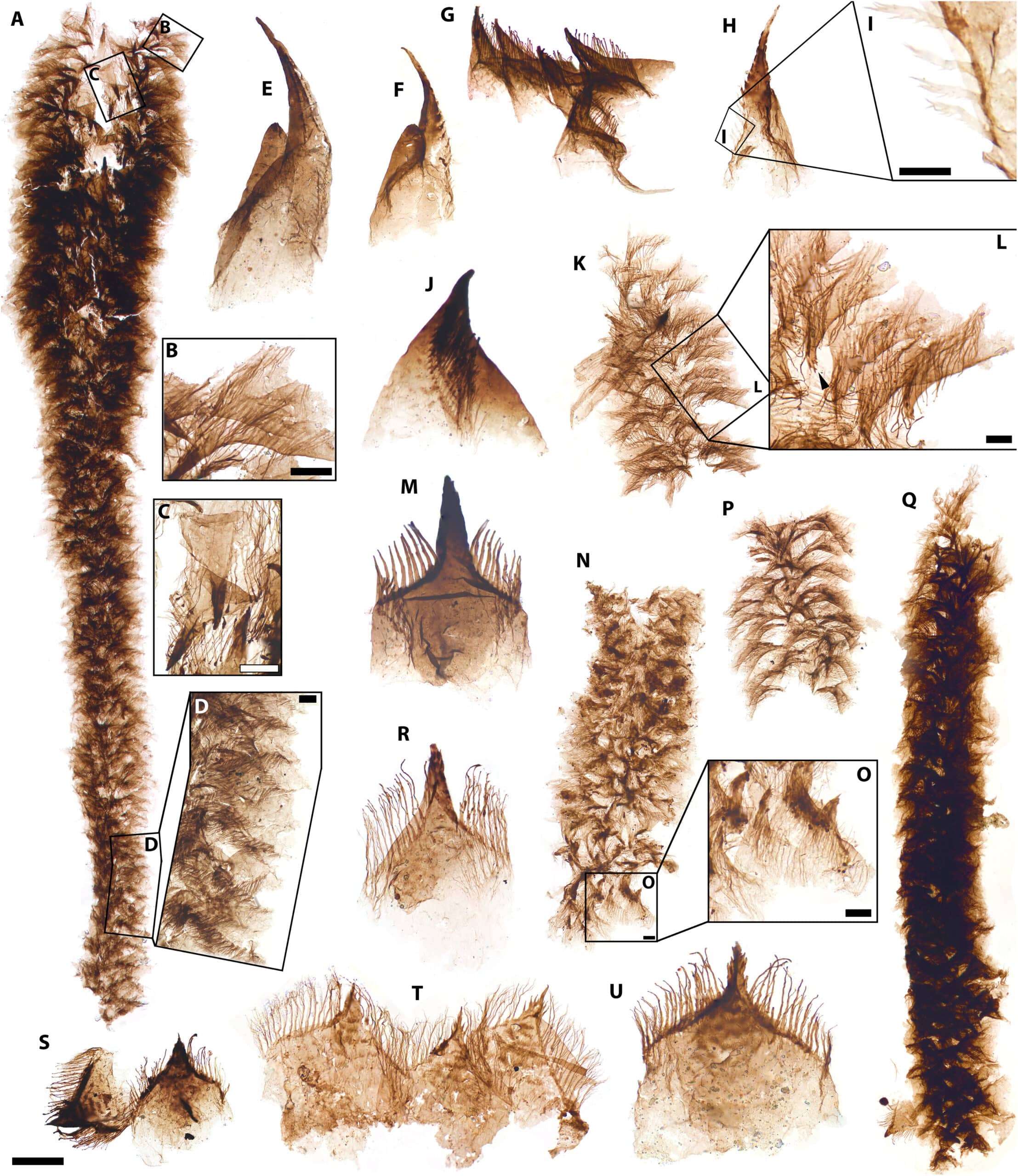
In laboratory analyses, the rock samples underwent dissolution with hydrofluoric acid, which enabled scientists to isolate thousands of microscopic fossils. These diminutive fossils included rare soft-bodied organisms rarely captured in the fossil record, such as scraping mollusks, filter-feeding crustaceans, predatory toothed worms, and even preserved fragments of their last meals.

“Discovering these fossils in the Grand Canyon is unprecedented,” stated Giovanni Mussini, a Ph.D. candidate at the university’s Department of Earth Sciences and lead author on the project. “By integrating these microscopic fossils with fossilized evidence of behaviors like burrowing and feeding—which are widespread throughout the Grand Canyon—we can reconstruct a complete picture of an ancient ecosystem.”
Adaptations and Feeding Mechanisms of Early Marine Life
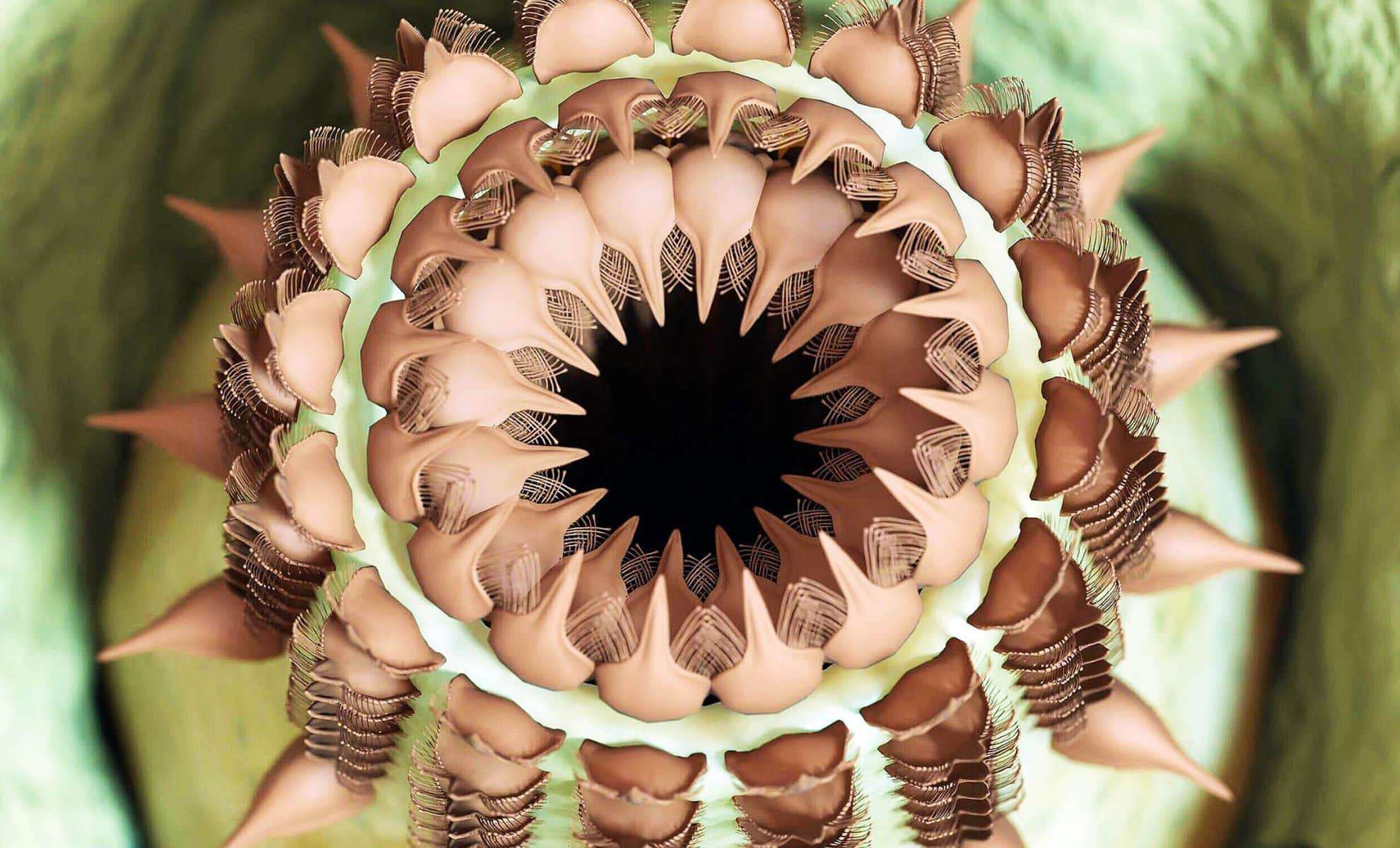
Despite their immense age, these fossils show intricate anatomical details. Researchers identified specialized structures such as spiny teeth, scraping appendages, and feeding adaptations that gave early animals a survival advantage. Among the most intricate specimens was a newly identified priapulid worm, commonly known as a cactus worm, with an unprecedented feeding apparatus.
Dubbed Kraytdraco spectatus, this worm possessed hundreds of branched teeth organized to comb food particles into its highly flexible mouth, pointing to complex feeding strategies during the Cambrian period.
Additional fossils included crustaceans resembling present-day brine shrimp, featuring fine hair-lined grooves and molar-like structures suited for grinding, shedding light on their dietary habits. Slug-like mollusks, equipped with rows of teeth akin to modern snails, likely scraped algae or bacteria from rocky surfaces.
Mussini remarked, “The diversity of feeding methods evident in these fossils highlights that Cambrian animals employed a range of strategies, some of which continue in species today.”
A Glimpse Into an Ancient Tropical Habitat
During this period, the region now known as the Grand Canyon rested near the equator. Its environment consisted of warm, shallow waters rich in oxygen and nutrients, bathed in steady sunlight—conditions ideal for evolutionary development. The research team describes this environment as a “Goldilocks zone”, a balance perfectly suited for life to innovate and thrive.
Mussini explained, “To survive, species needed to innovate and compete, but the balanced conditions made such evolutionary experimentation possible. It’s like investing boldly when resources are plentiful and conserving when scarce.”
The fine-grained sediments of the Grand Canyon have preserved these delicate fossils with extraordinary resolution, revealing not only their forms but functional behaviors and ecological interactions. While sites like Canada’s Burgess Shale or China’s Maotianshan Shales were previously considered unique windows into this era, the Grand Canyon now stands alongside them as a globally significant fossil locality.
- Categories:
- News





0 comments
Sign in to Comment