
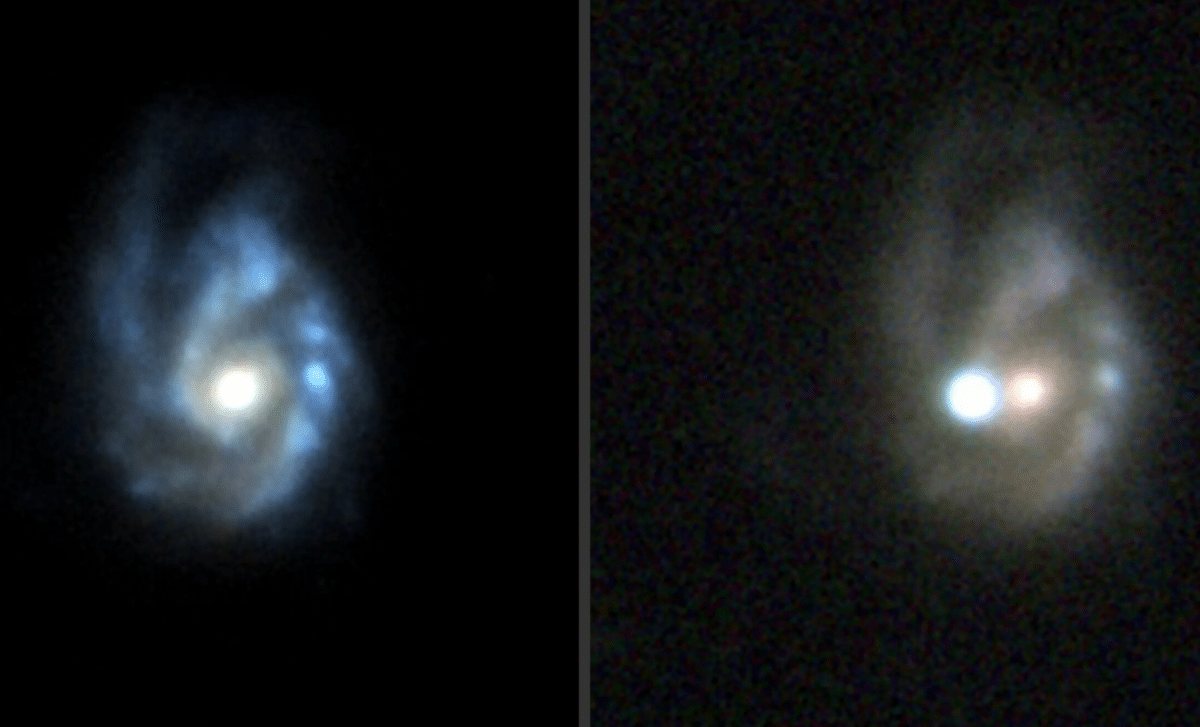
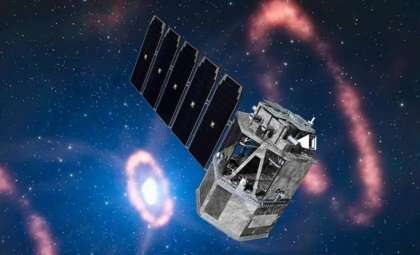
NASA’s Fermi Gamma-Ray Space Telescope has achieved a groundbreaking detection of gamma rays emanating from a superluminous supernova, offering a rare insight into the extreme physical processes driving these cosmic phenomena. Detailed in Astronomy & Astrophysics, the focus is on SN 2017egm, a stellar explosion so luminous it momentarily outshone its home galaxy, NGC 3191, situated approximately 440 million light-years away in the constellation Ursa Major. This milestone sheds light on magnetars—neutron stars with intense magnetic fields—that energize these powerful explosions.
Gamma Rays: The Missing Link in Superluminous Supernovae Studies
Superluminous supernovae produce light over ten times brighter than standard supernova explosions. However, detecting their associated gamma-ray emissions has proven challenging so far. "For nearly two decades, astronomers have combed through Fermi data searching for gamma-ray signs from thousands of supernovae. While a few signals appeared promising, none were definitively confirmed until now," explained Fabio Acero, principal investigator of the research at the University of Paris-Saclay.
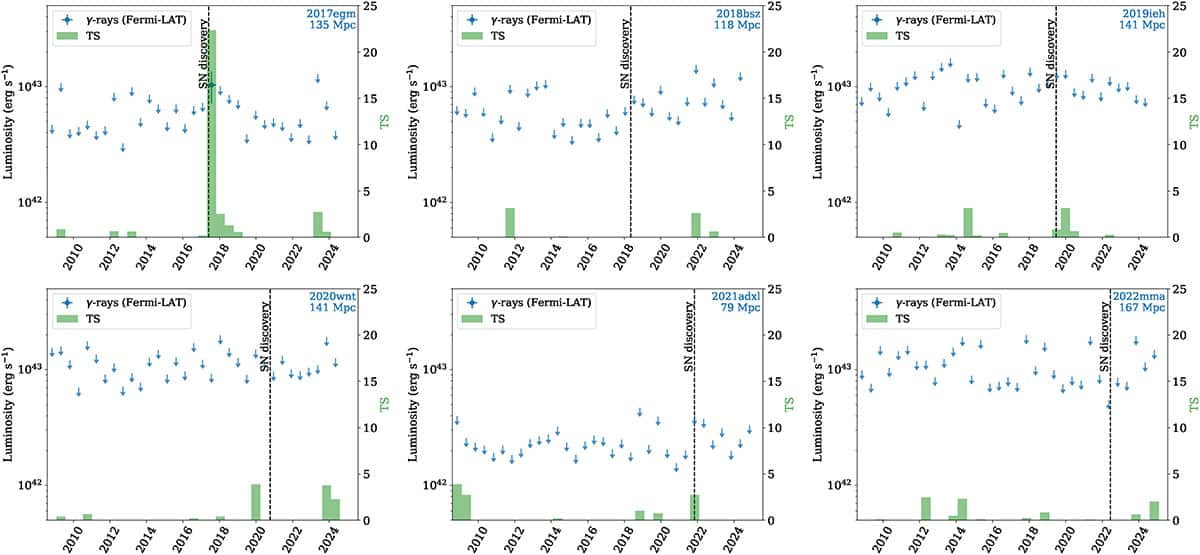
The international team analyzed 16 years of Fermi observations, concentrating on six of the closest superluminous supernovae to Earth.

“We searched for gamma rays from the six nearest superluminous supernovae seen during the first 16 years of Fermi’s mission,” explained Guillem Martí-Devesa, formerly of the University of Trieste and now at the Institute of Space Sciences in Barcelona. Remarkably, SN 2017egm was the only event showing evidence of gamma rays, confirming that some supernovae can shine as brightly in high-energy light as they do in visible wavelengths. “This opens up a new window for studying these fascinating events,” Martí-Devesa added.
Magnetars: The Powerhouses Behind Cosmic Explosions
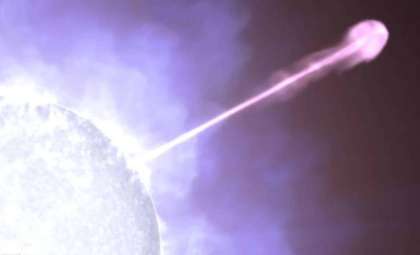
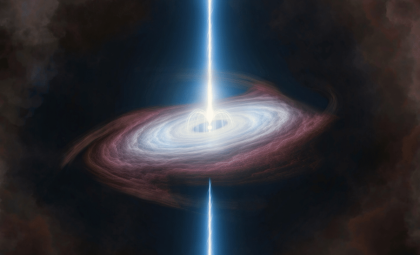
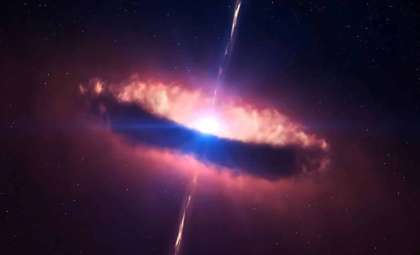
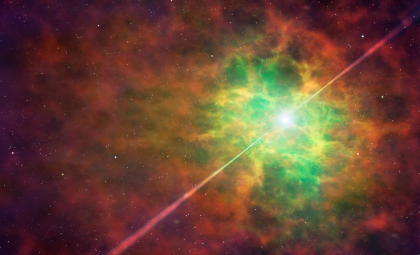
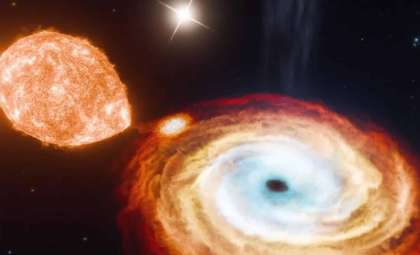
For years, scientists have theorized that magnetars—neutron stars exhibiting magnetic fields thousands of times stronger than typical—are the engines energizing superluminous supernovae. When massive stars collapse, their cores can generate rapidly spinning magnetars releasing torrents of energy through fast electron and positron winds. These winds create a magnetar wind nebula, which interacts with surrounding stellar debris and produces gamma rays.
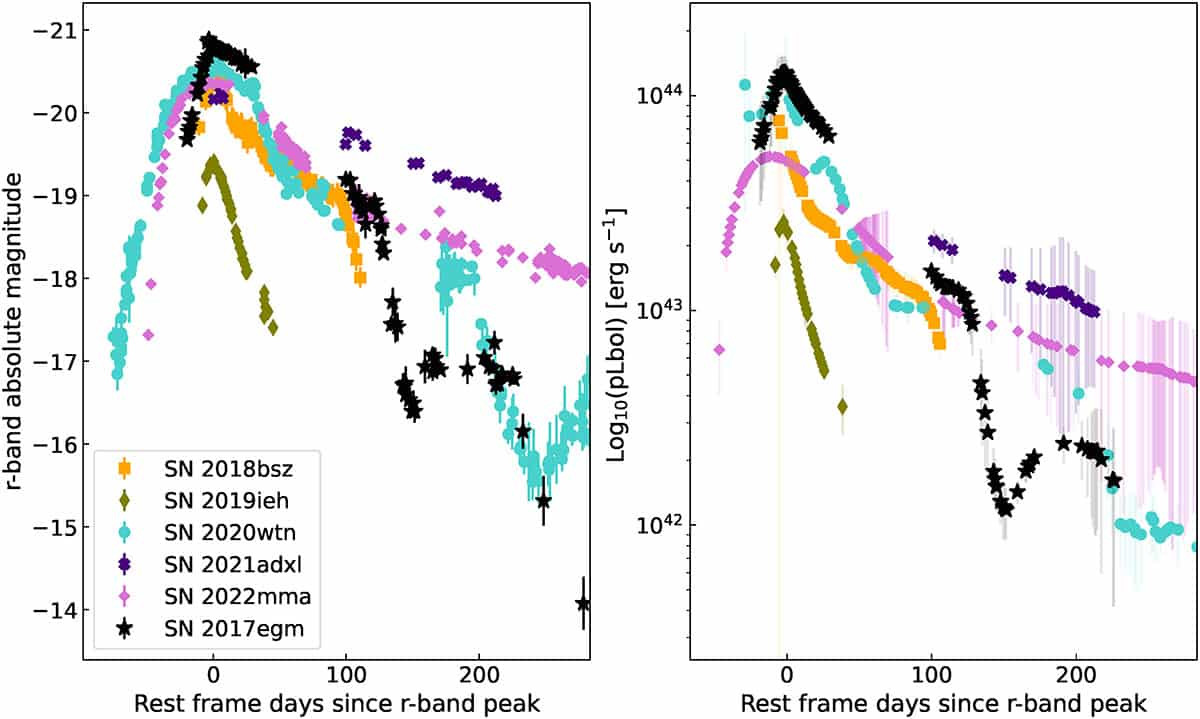
“About three months after the supernova, as the expanding debris cools, gamma rays start escaping,” Acero added. “Our magnetar model closely matches the brightness and timing of the detected gamma rays in the initial months, though deviations occur later as visible light dims erratically.” This discovery links theoretical mechanisms with observational evidence, deepening understanding of these extraordinary cosmic outbursts.
Direct Insights into Supernova Engines via Gamma Rays
The ability to detect gamma rays from superluminous supernovae provides astronomers with a new way to directly examine the explosions’ central drivers. “Gamma rays act as a direct probe into the engine fueling these blasts,” explained Manos Chatzopoulos, associate professor at LSU. He pointed out that although theories predicted the appearance of high-energy emissions after the debris became transparent, no nearby event had confirmed this until SN 2017egm. “This detection could be the clearest indication yet that we are witnessing these processes live.”
The team also investigated additional factors influencing gamma-ray output, including fallback material onto the magnetar and interactions with pre-collapse ejecta. Using these insights alongside sophisticated modeling and extended gamma-ray data, researchers hope to improve predictions and further explore how magnetars drive the universe’s brightest explosions.
The Road Ahead: Enhanced Gamma-Ray Observations
This discovery highlights the vital role of sustained observations and collaboration among space-based and terrestrial telescopes. Researchers reviewed how observatories like the Cerenkov Telescope Array Observatory could monitor similar supernovae, projecting that with adequate exposure, events like SN 2017egm could be detected up to about 500 million light-years away.
“Even after nearly twenty years in orbit, Fermi continues to deliver surprising discoveries,” commented Michela Negro, assistant professor at LSU. This achievement signals the potential of future gamma-ray observatories to unveil deeper details of magnetars and superluminous supernovae, enriching our comprehension of massive star deaths and the cosmic recycling of energy and elements.
- Categories:
- Astronomy

0 comments
Sign in to Comment