
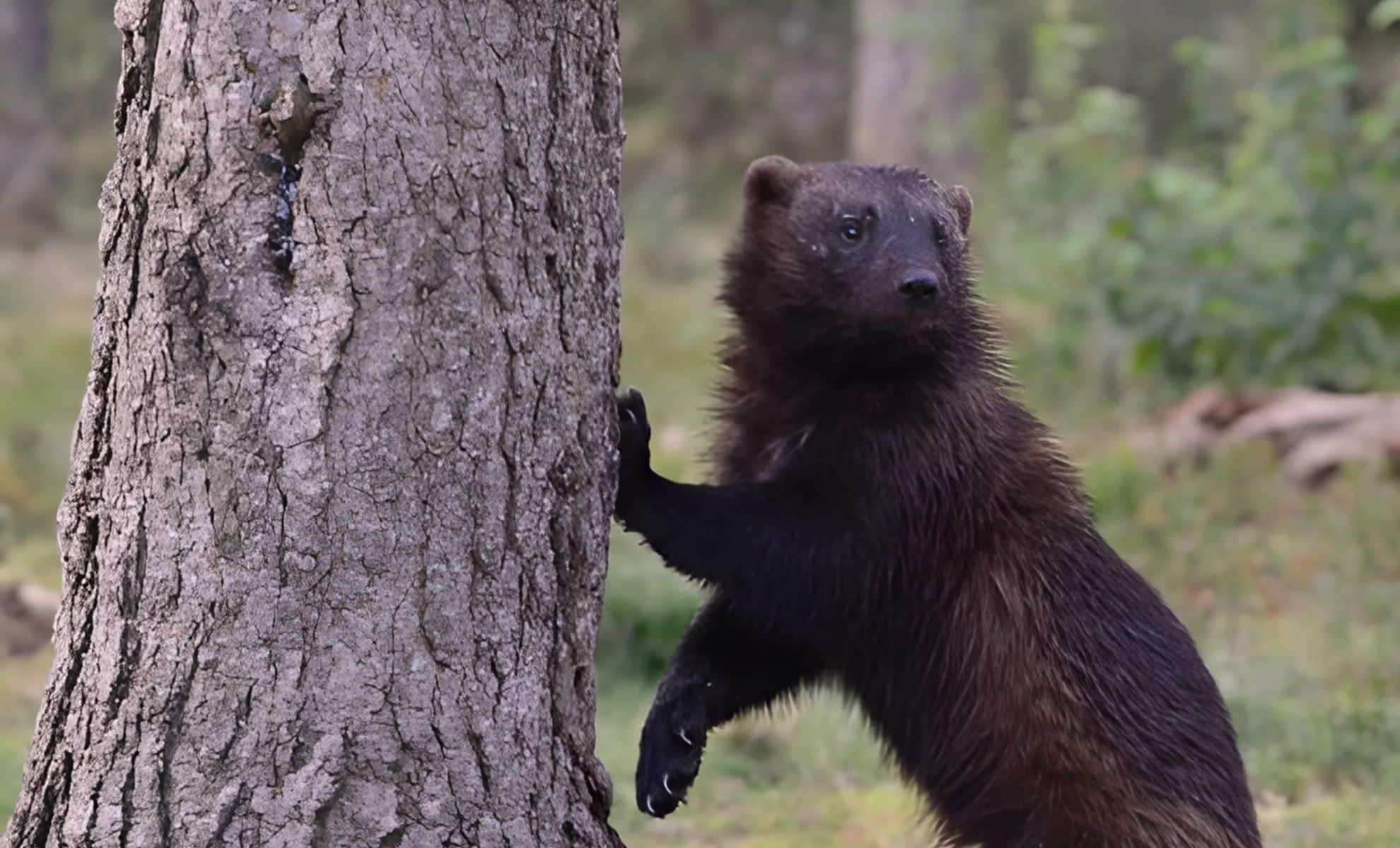
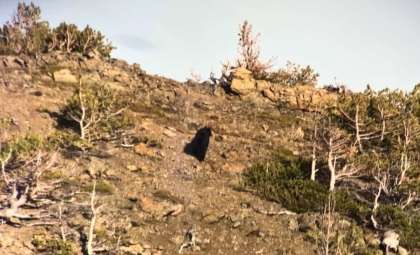
Amidst Finland's frosty woodland expanses, the wolverine, a unique and elusive predator, is gradually reestablishing its presence after being nearly wiped out by historic hunting pressures.
Once almost extinct in southern areas of Finland, these secretive carnivores are now creeping back into their traditional ranges, a success attributed to sustained conservation measures over many years.
Insights into this remarkable revival were detailed in a study published on April 21, 2025, in the journal Ecology and Evolution.

A Gradual Rebound
Wolverines have long been feared due to their strength and voracious nature.
Yet, relentless hunting during the 1900s severely diminished their numbers.
By century's end, southern Finland saw them vanish completely. The species was officially declared endangered in the 1980s, with populations shrinking further in subsequent decades.
Scientists stress that the wolverine's resurgence is a key indicator of environmental restoration and emphasizes the success of protective policies.
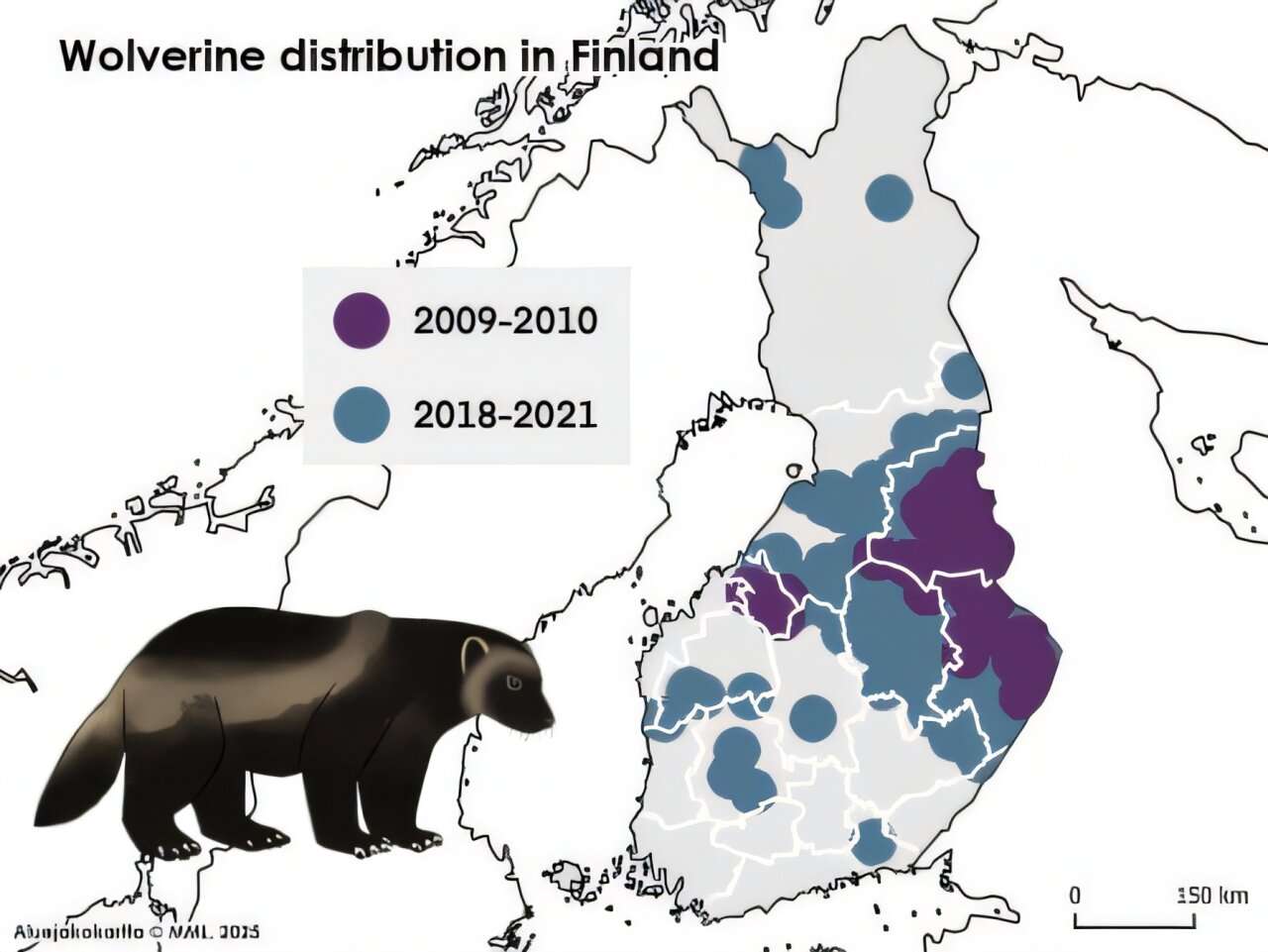
Satellite technology combined with on-the-ground observations has recently verified the gradual return of wolverines to southern Finnish woodlands, a development that excites conservation experts.
Monitoring the Comeback
Aalto University ecologists have spearheaded efforts to document this return using cutting-edge monitoring methods.
The team utilized satellite imaging, terrain analysis, and snow tracking techniques to assess the wolverine’s distribution across the region.
This method involved dividing the forest landscape into equilateral triangles to systematically check for footprint evidence during winter seasons.
Findings revealed wolverines have been detected in roughly 13% of the surveyed triangular plots.
Interestingly, these animals occupied mixed-wood forests, particularly in southern zones previously believed unsuitable for their habitation.
Preferred Environments
The study highlights wolverines favor areas with minimal human disturbance.
They tend to inhabit less dense, more contiguous forests, steering clear of urban and developed sites.
This habitat preference closely resembles behaviors noted in other large carnivores like wolves.
Typically, as populations increase, animals settle first in the most optimal environments.
Ecological Impact of Wolverines’ Return
The reappearance of wolverines in southern Finland signifies not just a species milestone but also points to improving ecosystem vitality across the region.
Belonging to the weasel family, wolverines are top predators whose role is crucial in preserving ecological balance.
Their presence helps regulate populations of smaller carnivores and herbivores, thereby enhancing biodiversity.
Due to their secretive habits, wolverines remain difficult to observe, often inhabiting remote, untouched wildlands far from human activity.
In Scandinavia, encountering their tracks is often considered a rare stroke of good fortune.
The study confirms that these elusive animals are steadily reclaiming territory in forests that had long forgotten their existence.
- Categories:
- Nature










0 comments
Sign in to Comment