
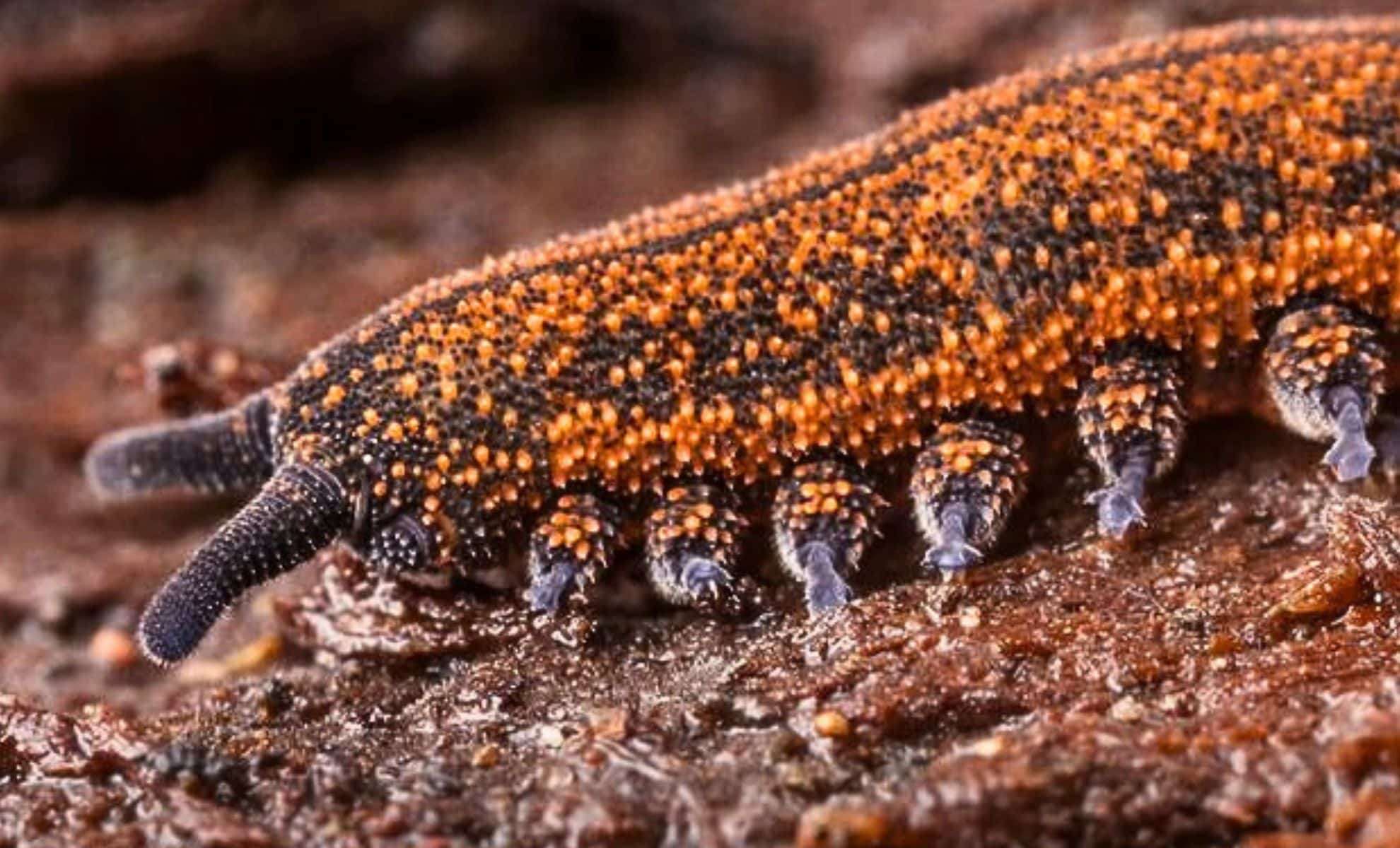
In a remarkable 2024 contest, New Zealand’s Bug of the Year title was awarded to a truly ancient and extraordinary predator: the New Zealand velvet worm (Peripatoides novaezealandiae).
This fascinating invertebrate outvoted rivals like the praying mantis and the giant springtail, gaining both public admiration and endorsement from the Entomological Society of New Zealand.
The competition featured some striking candidates, including species known for sexual cannibalism and a giant springtail too heavy to jump, yet the velvet worm’s unique traits made it the clear winner.

Known as a “living fossil,” this creature has roamed Earth’s forests for about 500 million years, honing a unique hunting technique involving shooting slime to ensnare prey and then liquefying it.
Remarkable Evolutionary Features of the Velvet Worm
At first sight, P. novaezealandiae appears like a blend of slug, worm, and caterpillar, boasting a velvety orange-speckled body and short, stubby legs. This unusual form reflects its evolutionary importance.
Scientists regard velvet worms as a crucial “missing link” bridging annelid worms and arthropods, exhibiting traits from both groups. Even more astounding, they have remained almost unchanged for half a billion years.
These ancient creatures existed in forests long before the age of dinosaurs, persisting through ice ages, mass extinctions, and mammalian dominance.
Due to their longevity and minimal change over millennia, velvet worms are often called “living fossils”, a term shared with ancient animals like horseshoe crabs and coelacanths.
Stealthy Predator of the Forest Floor
Despite their soft, fuzzy look, velvet worms are efficient hunters with a preference for beetle prey. Active primarily at night, they hide in the moist undergrowth of New Zealand’s forests.
When unsuspecting invertebrates such as termites or beetles come close, the velvet worm fires a sticky slime from specialized nozzles near its mouth, which traps the prey firmly in place.
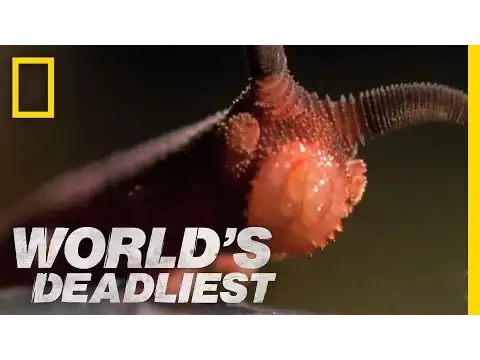
Once immobilized, the worm pierces the prey with sharp jaws and secretes digestive enzymes to liquefy the insides, then sucks up the nutritious fluids, leaving behind a hollow shell.
Hidden Survivor Threatened by Environmental Changes
Despite its lengthy evolutionary background, the New Zealand velvet worm remains enigmatic and understudied. Its secretive nature means it tends to dwell beneath decaying wood and forest litter, complicating efforts to monitor its populations.
These worms, like many native New Zealand species, are vulnerable to habitat loss and invasive predators like rats, birds, and hedgehogs.
Even efforts to study or collect these creatures can inadvertently reduce their numbers, making conservation efforts all the more crucial.
The Significance of the Bug of the Year Award
While New Zealand’s Bird of the Year competition often captures public interest with unusual winners such as a tipsy pigeon or a rebellious bat, the Bug of the Year contest focuses attention on lesser-known invertebrates.
By honoring the velvet worm, conservationists aim to bring awareness to these unique and ancient creatures, encouraging protection before they become relics of the past.
So next time you traverse a moist New Zealand forest floor, consider the tiny, slime-spraying survivors beneath you. Having endured for half a billion years, they deserve our respect and care to ensure their continued existence.
- Categories:
- Nature









0 comments
Sign in to Comment