

Anacondas have been huge reptiles since their emergence more than 12 million years ago. Fossil records reveal that their enormous size has remained relatively stable, despite past environmental conditions that might have allowed them to grow even larger.
This discovery challenges the usual assumption in paleontology that warmer climates drive reptiles to become bigger. Instead, anacondas appear to have reached an optimal size early on and maintained it ever since.
Researchers from the University of Cambridge based their analysis on fossils found throughout South America. Published in the Journal of Vertebrate Paleontology, the study indicates these snakes attained their characteristic size shortly after they originated, making them an exception during an era known for enormous creatures.

Unlike many other massive Miocene animals that vanished as ecosystems transformed, anacondas endured with nearly unchanged body dimensions.
Unveiling the True Size of Ancient Anacondas Through Fossils
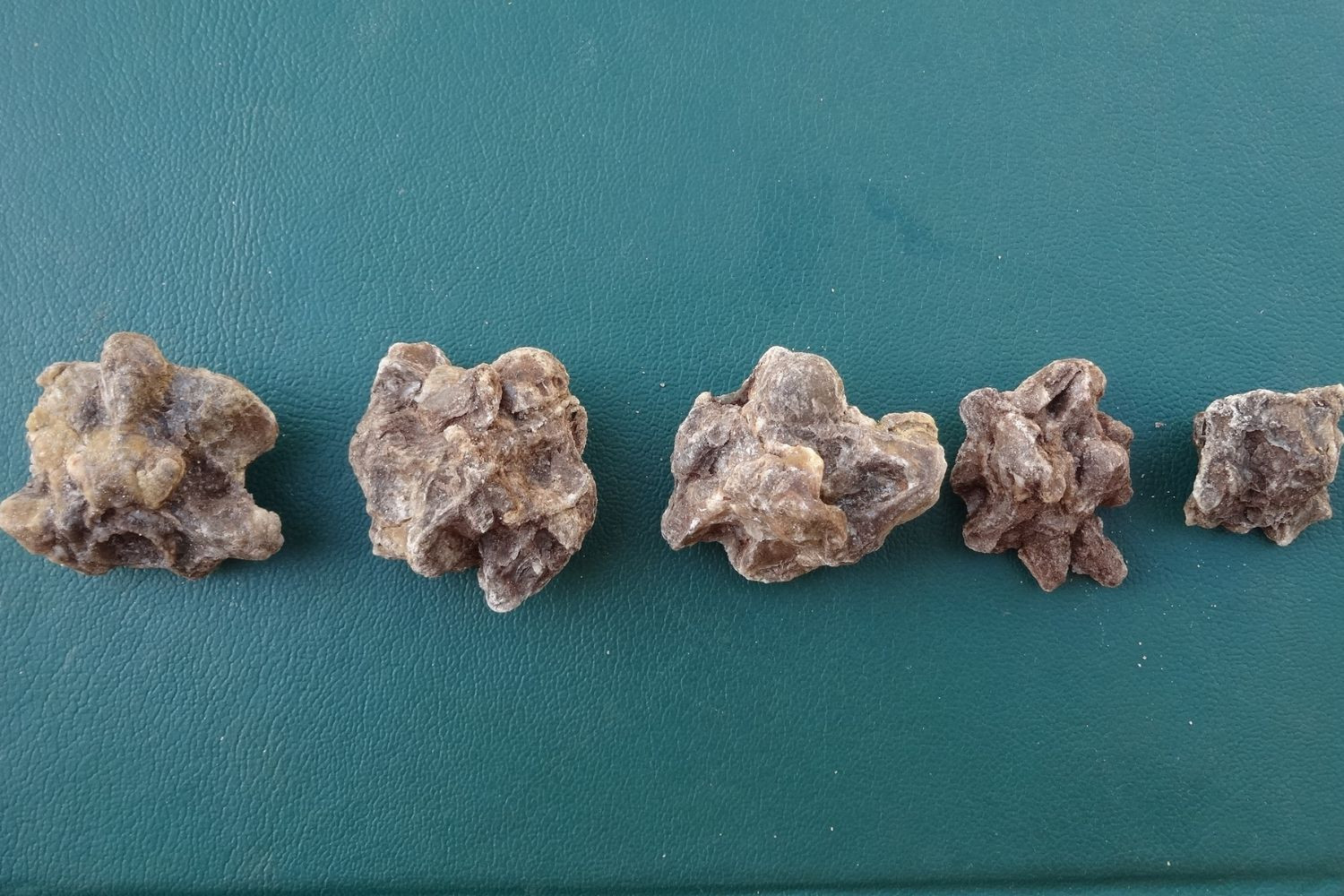
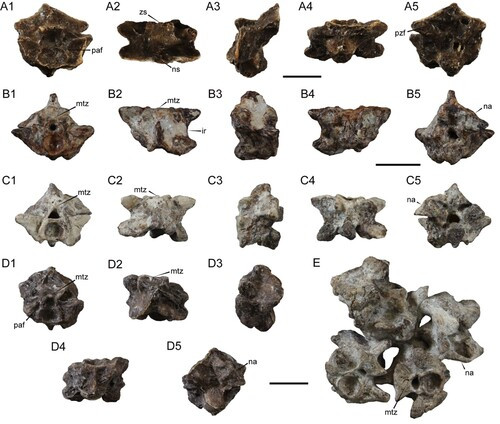
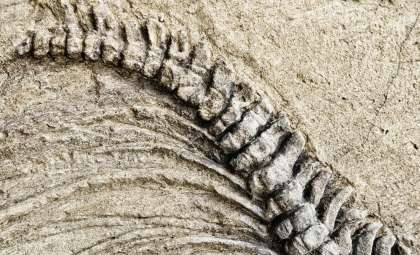
Scientists examined 183 fossilized vertebrae from at least 32 individual snakes discovered in Venezuela's Falcón State, comparing them with fossils from other South American locations. Snake vertebrae are valuable for size estimation given these serpents possess over 300 vertebrae, facilitating accurate reconstruction of their full length.
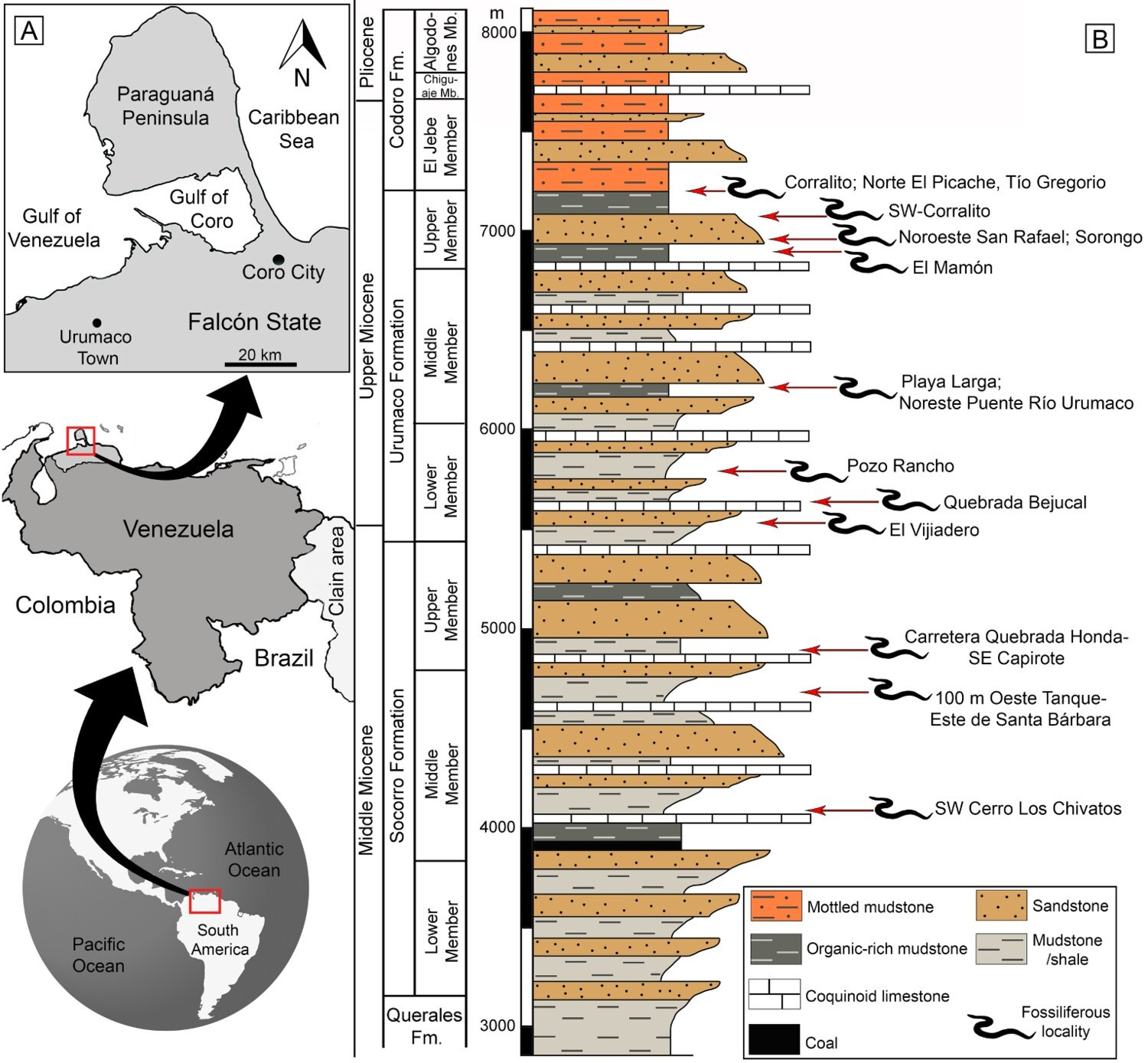
Findings consistently showed ancient Eunectes species were around four to five meters long, matching the size of today's anacondas. The team found this surprising since the warmer Miocene climate was expected to favor even larger snakes. As Andrés Alfonso-Rojas noted:
“This is a surprising result because we expected to find the ancient anacondas were seven or eight meters long. But we don’t have any evidence of a larger snake from the Miocene when global temperatures were warmer.”
The Era of Giants in Prehistoric South America
The timeframe from about 12.4 to 5.3 million years ago—the Middle to Upper Miocene—was marked by many species growing to gigantic proportions. The study associates this gigantism with higher temperatures, widespread wetlands, and plentiful food availability.
During this period, South America was home to creatures such as Purussaurus, a caiman reaching up to 12 meters, and Stupendemys, a freshwater turtle approximately 3.2 meters long. These examples reflect a widespread trend of gigantism in prehistoric ecosystems.
While many of these large species became extinct as the climate cooled and habitats diminished, anacondas remained resilient and preserved their size. According to the study, they adapted successfully to endure through these changes.
“Other species like giant crocodiles and giant turtles have gone extinct since the Miocene, probably due to cooling global temperatures and shrinking habitats, but the giant anacondas have survived – they’re super-resilient,” said the authors in the university statement.
Enduring Size Over Geological Time
To validate their findings, the researchers applied ancestral state reconstruction, a method that evaluates evolutionary links among species like tree boas and rainbow boas to infer the characteristics of their ancestors.
The results aligned with fossil evidence: anacondas reached large size shortly after emerging approximately 12.4 million years ago and remained that size since then.
“By measuring the fossils we found that anacondas evolved a large body size shortly after they appeared in tropical South America around 12.4 million years ago, and their size hasn’t changed since.”
The stable environment of ancient northern South America—resembling today’s Amazon Basin with its wetlands and consistent food sources—likely supported their sustained size. Modern prey such as fish and capybaras continue to offer sufficient nutrition for these giant snakes.
- Categories:
- Science









0 comments
Sign in to Comment