
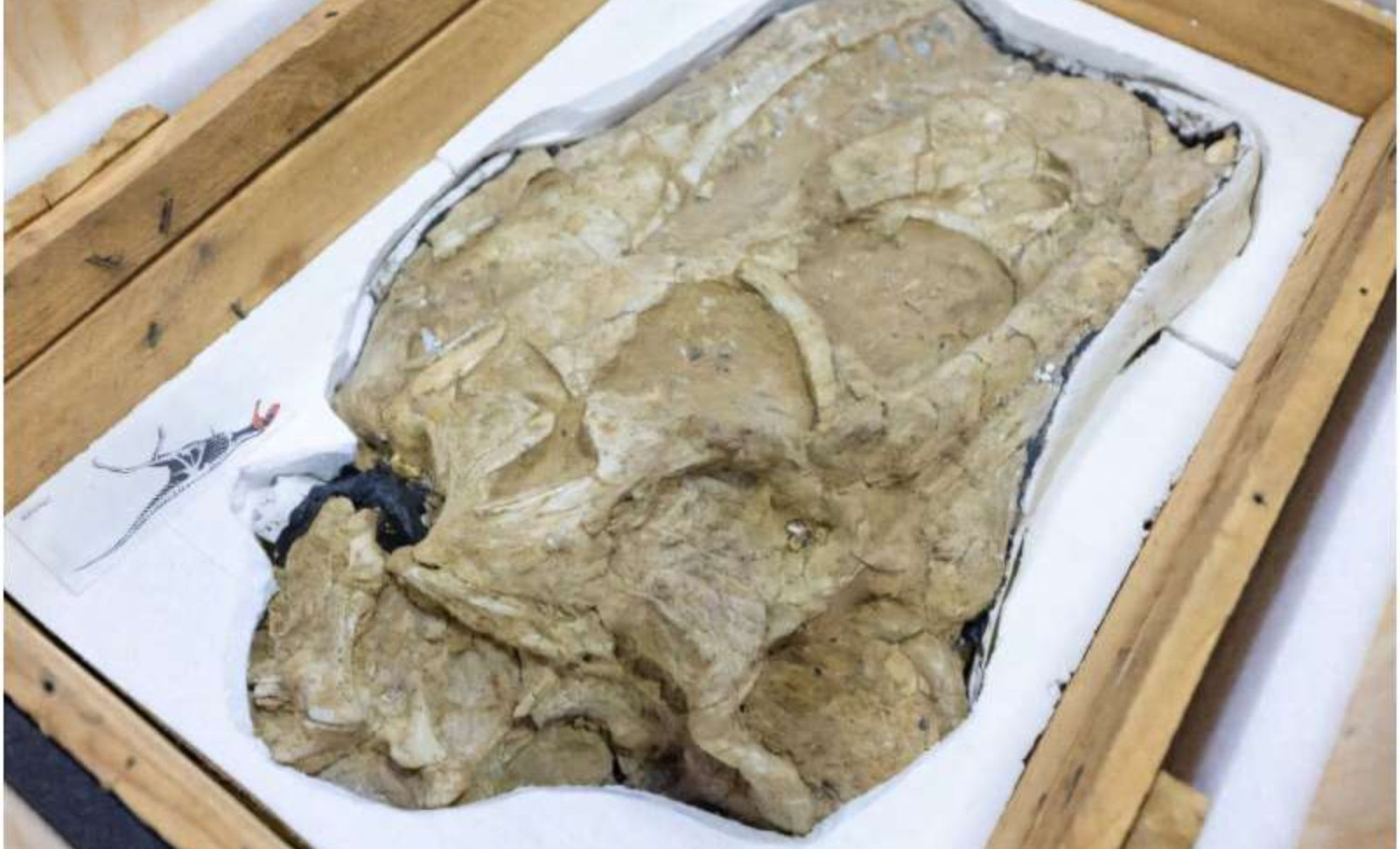
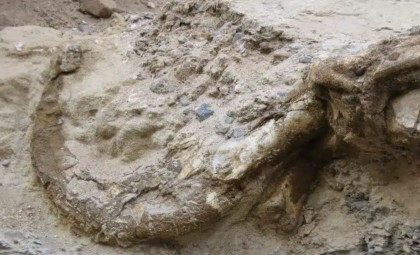
A trove of dinosaur fossils, illicitly taken from Mongolia almost twenty years ago, has now been restored to its country of origin. Among the 29 fossil collections recovered is an exceptionally complete specimen of Tarbosaurus bataar, one of the region’s most formidable prehistoric predators.
Originally smuggled out in 2006, these fossils later appeared in France, triggering a prolonged investigation. Their eventual repatriation is the result of persistent collaboration between Mongolian and French authorities, guided by international laws protecting cultural heritage.
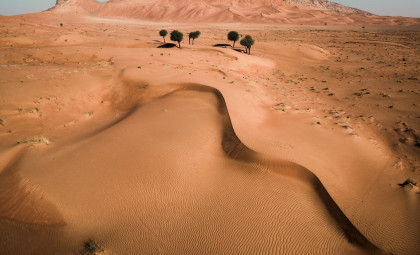
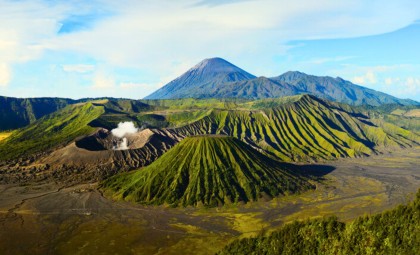
Most fossils uncovered in Mongolia originate from the Gobi Desert, a site renowned for yielding some of paleontology’s most iconic discoveries.

The Lengthy Journey to Reclaim Lost Fossils
The fossils vanished in 2006 after being illegally exported by smugglers aiming to profit via the black market, according to Ulaanbaatar police official D. Munkhkhuyag.
The case stagnated until 2013 when French customs officers uncovered several specimens. This discovery initiated a joint effort between France and Mongolia to trace and repatriate the fossils.
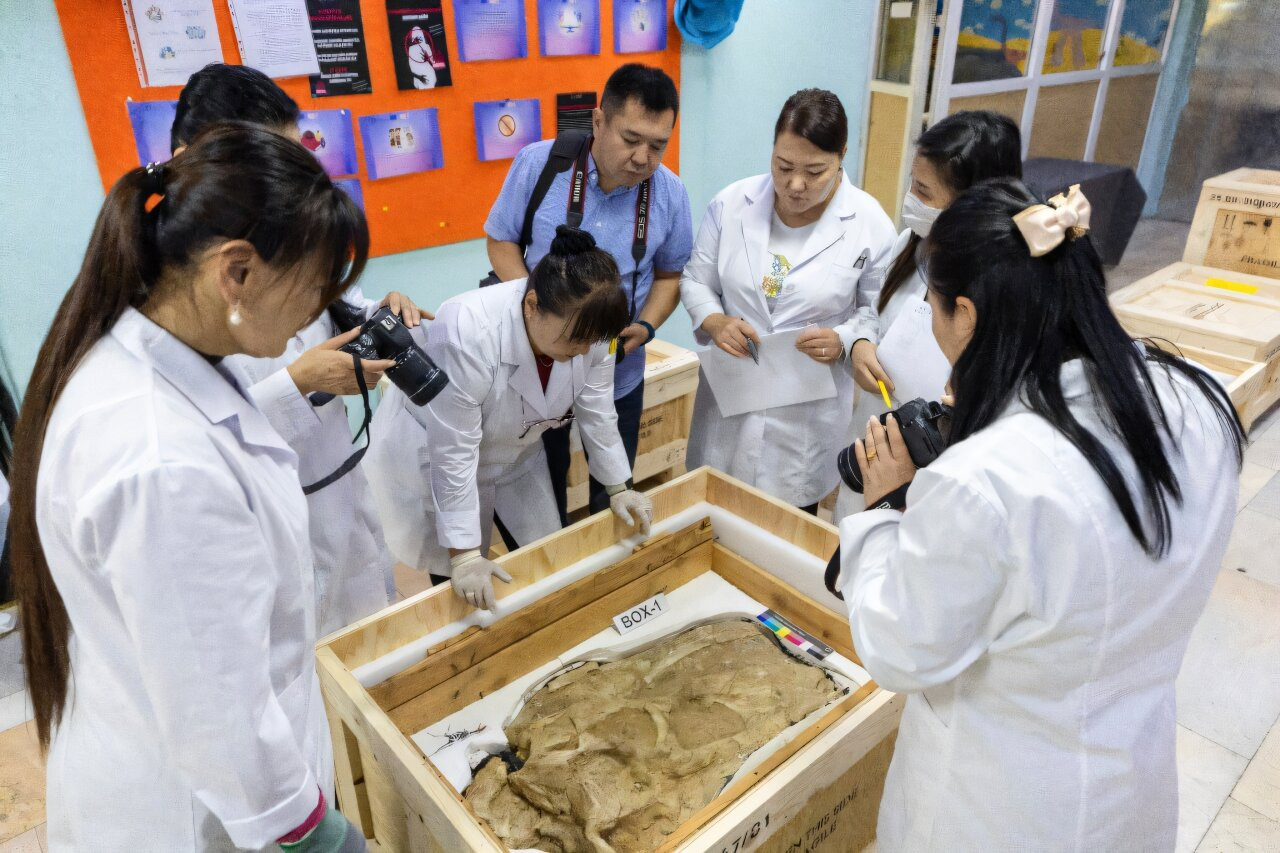
The recovery process extended over several years, culminating in a formal handover event held in Paris in December 2025. Delegates from both nations attended the ceremony. Since then, the fossils have been relocated to Mongolia’s National Museum of Natural History in Ulaanbaatar. The exhibits include 29 fossil groups that were absent from Mongolia for nearly two decades.
Prehistoric Beasts of the Gobi’s Ancient Terrain
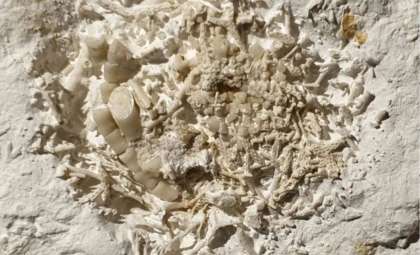
The fossils date back roughly 65 to 70 million years, tracing to the Late Cretaceous epoch. Reports from Popular Science note that the collection features remains of theropods, ornithomimosaurs, and hadrosaurs.
These creatures once inhabited a landscape vastly different from today’s Gobi Desert. Then, the region was warm and wet, thriving with forests, floodplains, and flowing rivers.
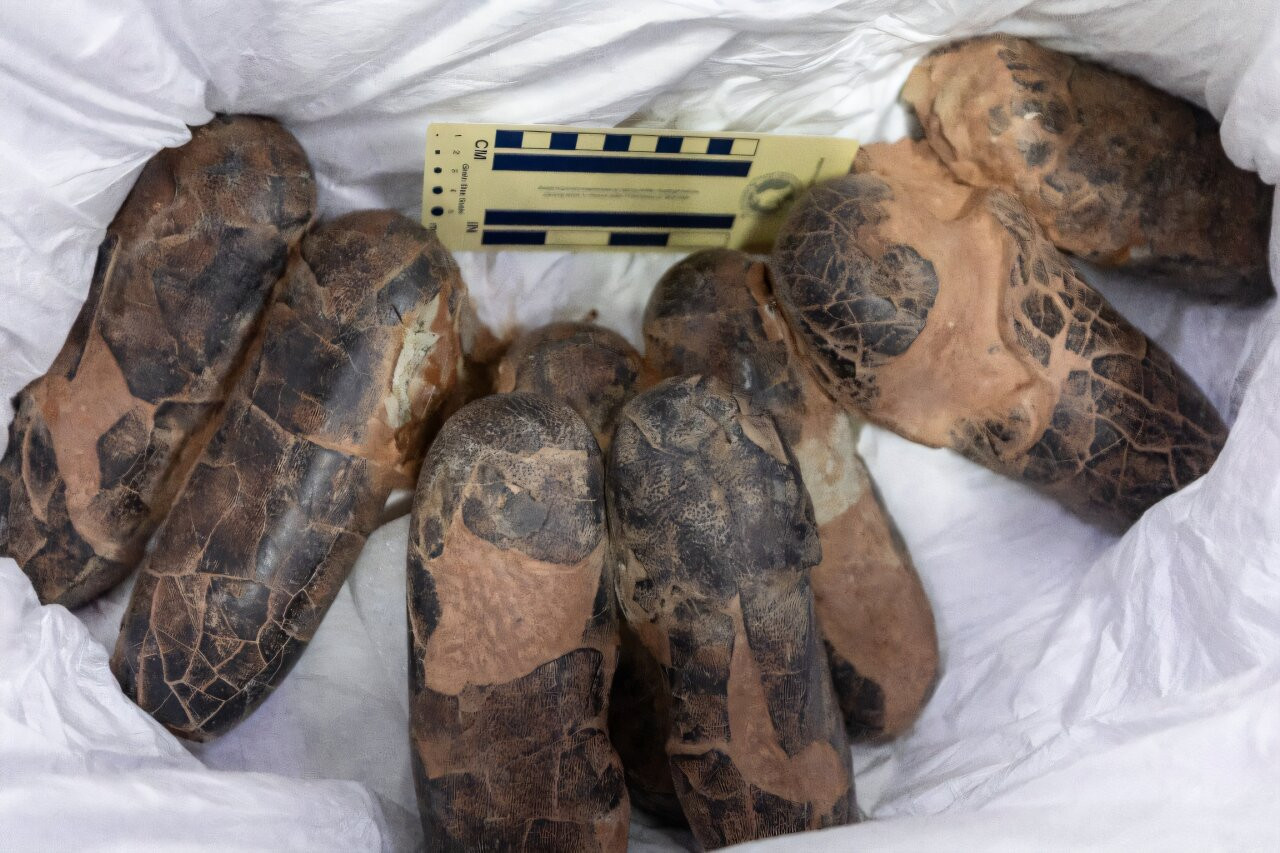
This ancient environment supported a diverse array of dinosaur species. Their remains settled in sedimentary deposits over time, ultimately establishing Mongolia as a top global source for fossils. The repatriated fossils represent a precious segment of this extensive prehistoric archive.
The Return of a Rare Tarbosaurus Specimen
At the heart of the collection lies a specimen of Tarbosaurus bataar that is over 50% intact. Given the species’ limited range within Mongolia and nearby Central Asia, such finds are uncommon and invaluable to science.
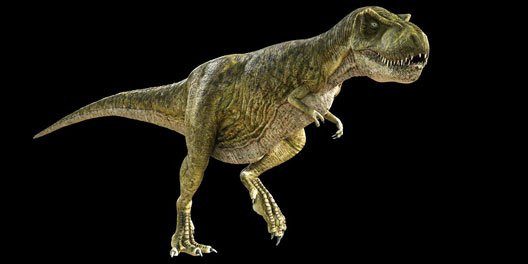
Tarbosaurus bataar reigned as the apex predator in its environment. Mature individuals could exceed 33 feet long, stand nearly 10 feet tall, and weigh upwards of five tons. This formidable carnivore likely hunted large dinosaurs, including ankylosaurids.
During the handover, some paleontologists pointed out that Tarbosaurus bataar shares enough features with Tyrannosaurus rex to potentially classify it as the Asian counterpart of the Tyrannosaurus genus, though it remains a distinct species.
Following repatriation, museum experts will sort, clean, and prepare the fossils for exhibition. Museum director Manchuk Nuramkhan described the collection as invaluable and emblematic of Mongolia’s unique heritage.
“The dinosaur fossil is priceless and a unique piece of heritage.” she added, “We are delighted that children and young people will have the opportunity to see Mongolia’s dinosaur heritage firsthand and learn from it.”
- Categories:
- Science

0 comments
Sign in to Comment