
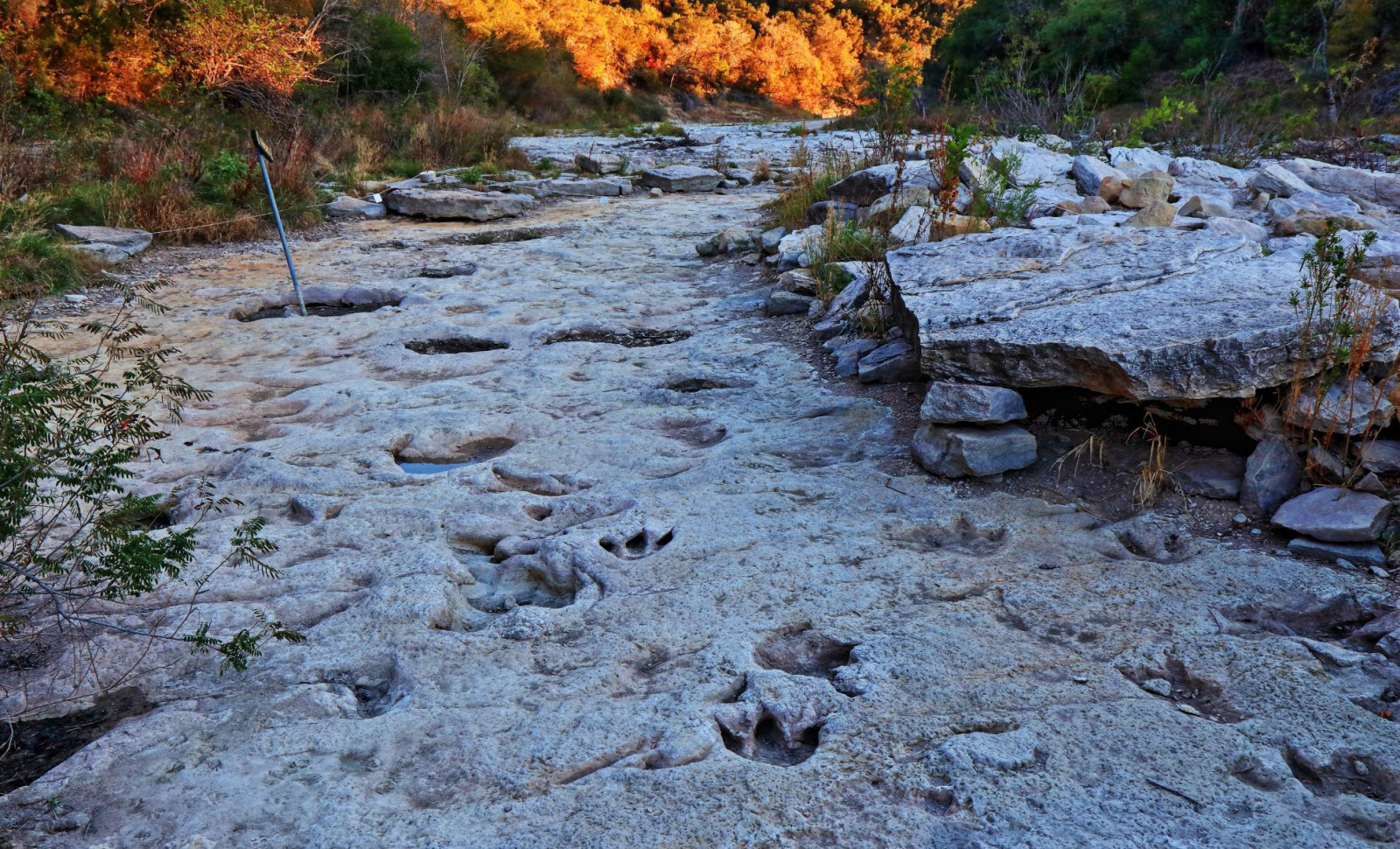
Fossilized footprints uncovered in Alberta reveal that multiple dinosaur species traversed the same landscape within a brief timeframe. The site preserves impressions from both plant-eating dinosaurs and large carnivores in sediment dating back about 76 million years. These footprints serve as concrete evidence of their passage, providing insights beyond what skeletal remains alone can offer.
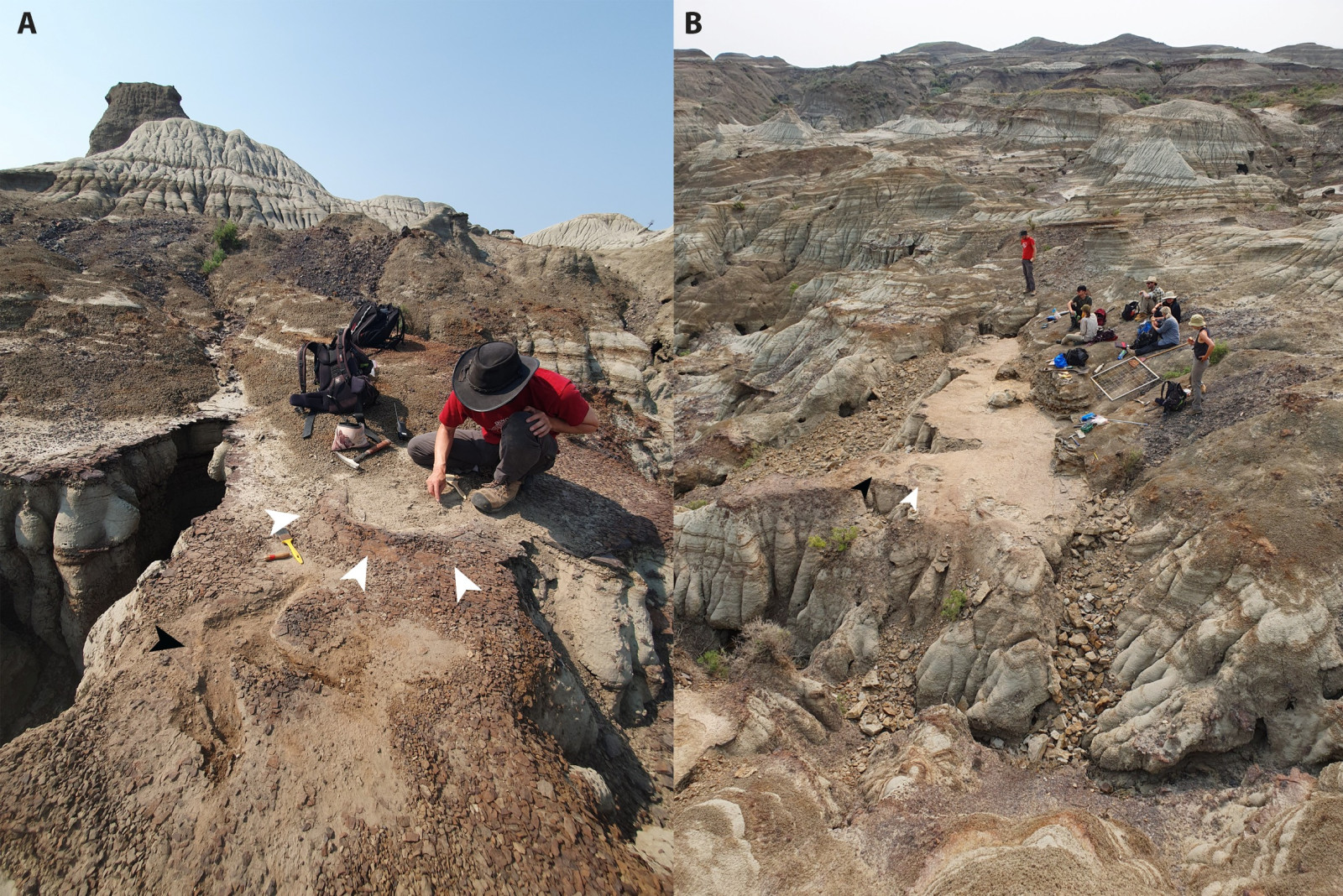
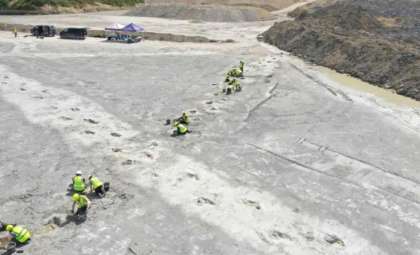
Situated within Dinosaur Provincial Park, an area renowned for extensive fossil bone excavations, this footprint site had been comparatively understudied. However, a distinctive surface texture caught researchers' attention, prompting a re-evaluation of this overlooked fossil evidence.
The recent study published in PLOS ONE analyzes the quantity, location, and shape of the tracks. Results indicate that various dinosaur species crossed the area in a short span, although the precise order of their movements remains uncertain.

Unearthing a Footprint in the Field
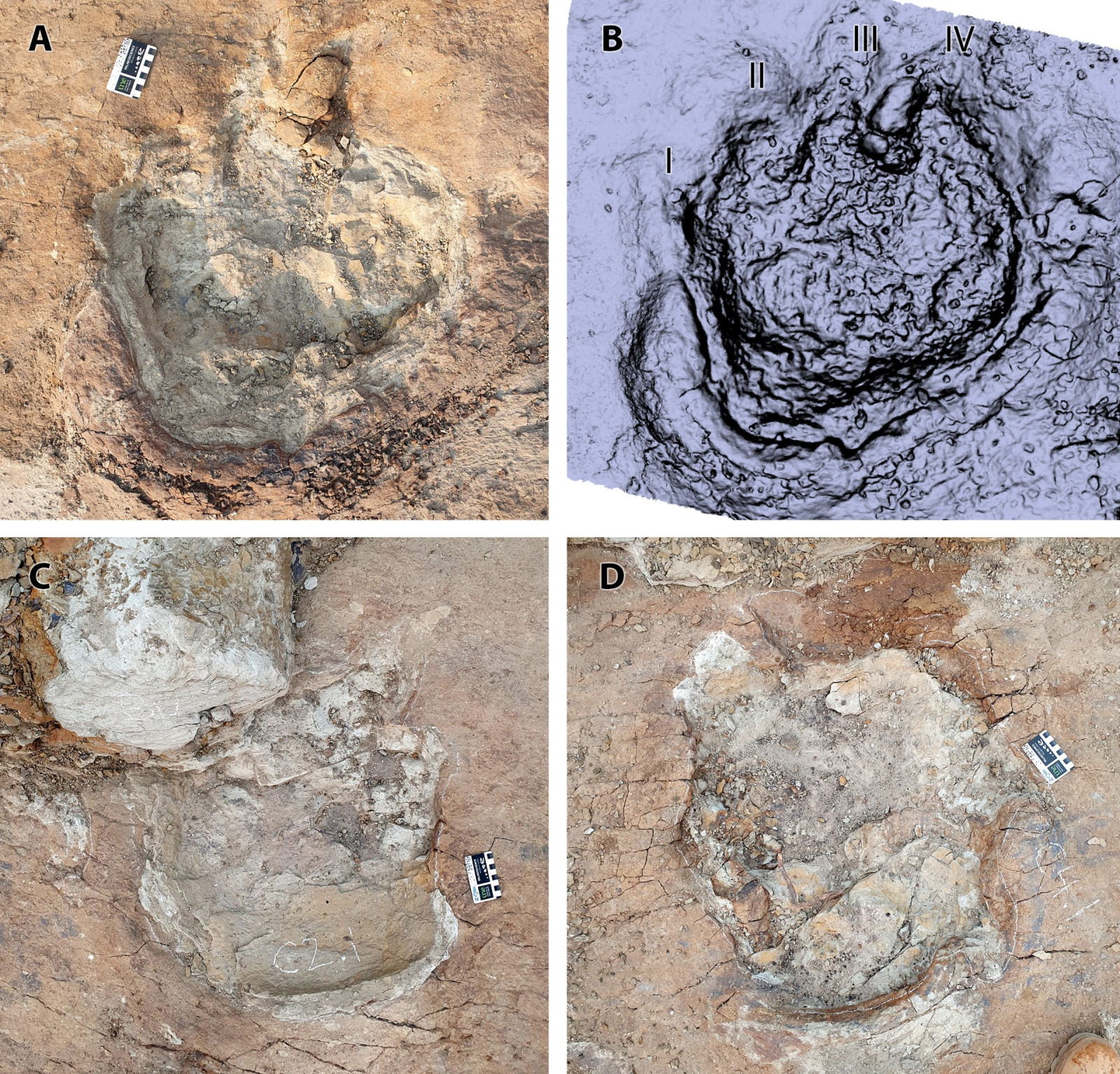
Dr. Phil Bell first noticed a unique pattern on a rocky surface resembling compacted mud. Identifying it as a footprint from a ceratopsian, this led to a more comprehensive survey of nearby tracks.
“Using the new search images for these footprints, we have been able to discover several more track sites within the varied terrain of the Park, which I am sure will tell us even more about how these fascinating creatures interacted with each other and behaved in their natural environment,” he said.
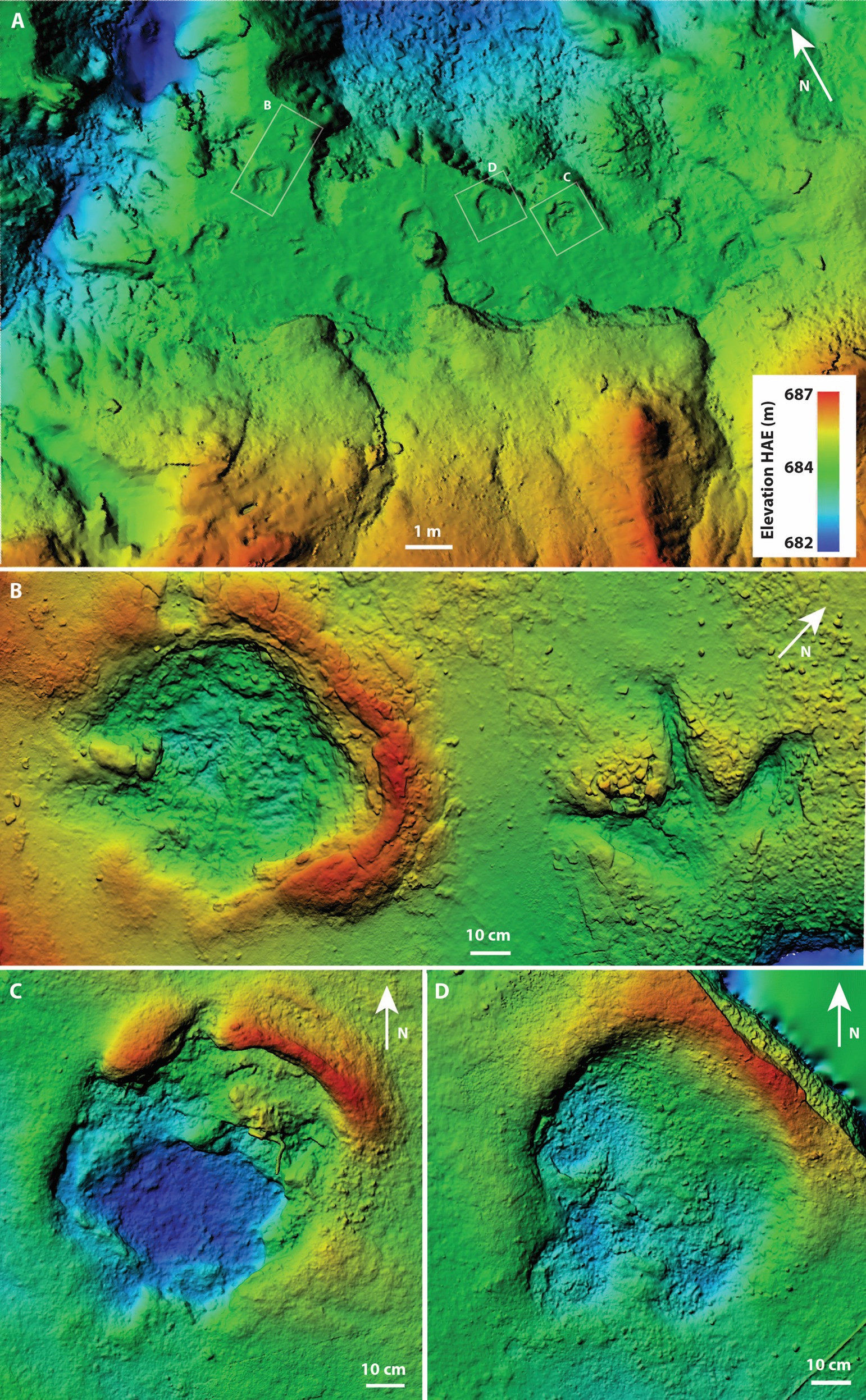
The team recorded about 13 footprints spanning roughly 29 square meters. These impressions correspond to no fewer than nine individuals from four different species, distinguished by their dimensions, forms, and spacing.
Herbivore Trails Overlap
A total of five footprints belong to ceratopsians. Their aligned orientation and path suggest these dinosaurs were moving together as a group, consistent with herd behavior described in the published study.
Footprints from ankylosaurids were found along the same pathway, overlapping with the ceratopsian trackway. While this does not confirm simultaneous movement, it indicates both groups used the same route within a narrow time frame.
Impressions Left by Predatory Dinosaurs
Three sizable footprints have been attributed to tyrannosaurs. Their distinct size and shape set them apart from herbivore tracks. Current research cannot confirm if these predators were actively stalking the herbivores or merely traversing the area independently.
“The tyrannosaur tracks give the sense that they were really eyeing up the herd, which is a pretty chilling thought, but we don’t know for certain whether they actually crossed paths,” said Dr. Bell.
Due to the sediment's nature, footprint preservation was brief, indicating all species passed through within a limited timespan. Although the footprints show close temporal proximity, they do not prove direct encounters between the dinosaurs.
“This discovery shows just how much there is still to uncover in dinosaur paleontology. Dinosaur Park is one of the best-understood dinosaur assemblages globally, with more than a century of intense collection and study, but it is only now that we are getting a sense for its full potential for dinosaur trackways,” concluded Dr. Caleb Brown from the Royal Tyrrell Museum of Palaeontology.
- Categories:
- News



0 comments
Sign in to Comment