
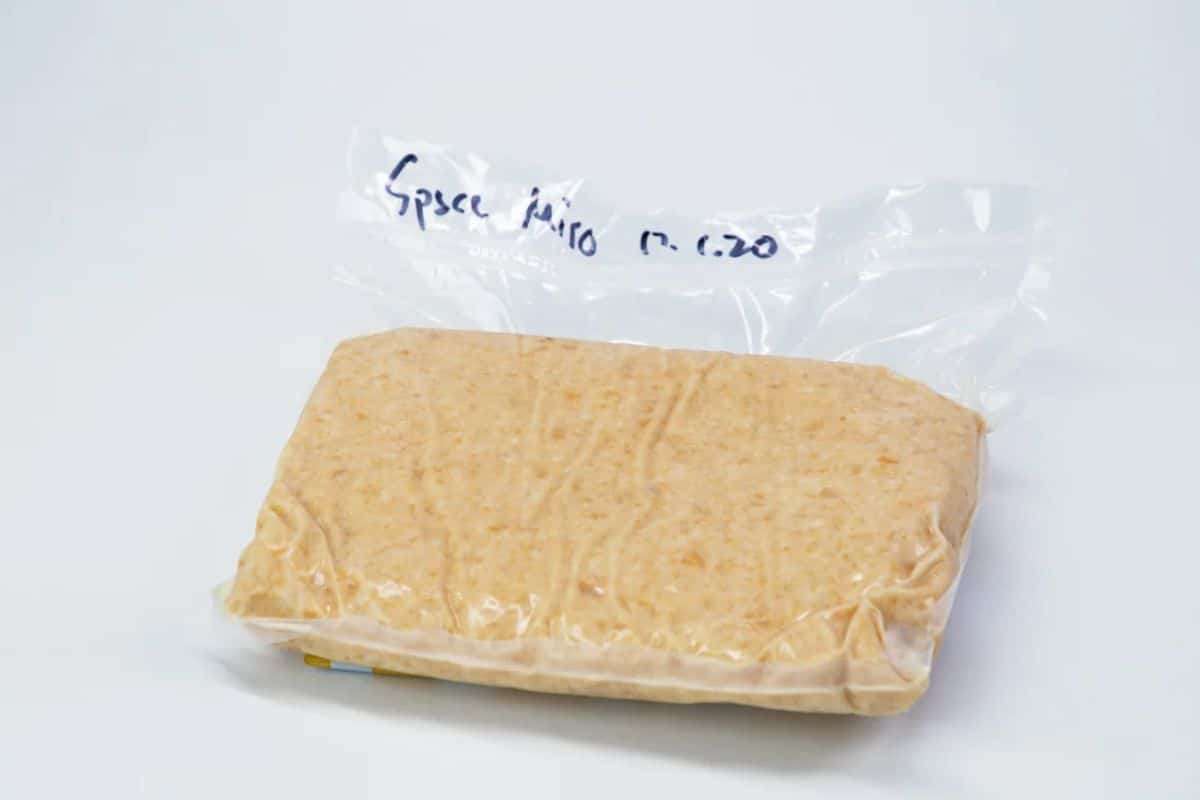
Japanese miso paste has entered uncharted territory by being fermented aboard the International Space Station (ISS) for the very first time. This pioneering project marks what may be the inaugural instance of deliberate food fermentation conducted in space.
This milestone not only broadens the scope of nutrition possibilities for astronauts but also deepens our understanding of how microbial ecosystems behave beyond Earth.
Experiencing Umami Flavors Beyond Earth
The study was spearheaded by Maggie Coblentz from the Massachusetts Institute of Technology (MIT) alongside Joshua Evans from the Technical University of Denmark. They shipped a sample of cooked soybeans to the ISS in March 2020.
The mixture fermented for a full month in the orbital lab before being sent back to Earth. The outcome was a uniquely flavored space-fermented miso that maintained its signature umami taste while revealing enhanced roasted and nutty nuances.

How Space Alters the Fermentation Process
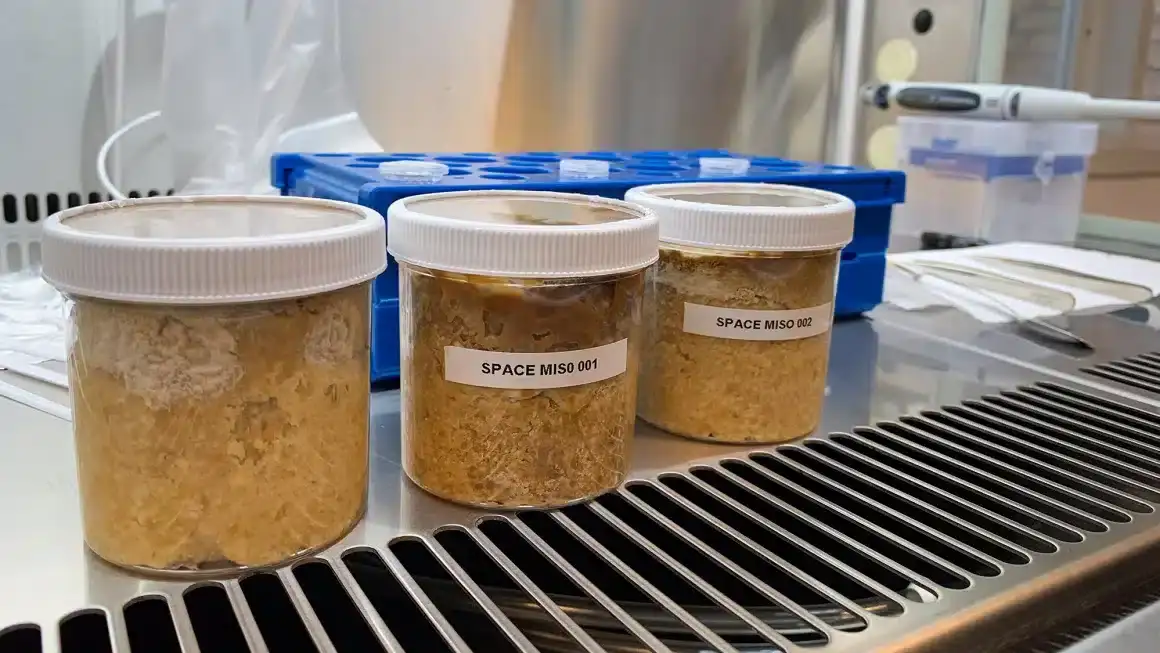
To analyze the differences, the space-fermented miso was evaluated against two control batches fermented terrestrially — one in Cambridge, Massachusetts, and another in Copenhagen, Denmark.
The difference was evident. “The space miso one was darker and clearly more jostled—which makes sense, as it had traveled much more than either of the earth misos. It was exciting to smell and taste the first bite.” said Evans.
The distinct taste profile is likely influenced by the unique conditions of microgravity and heightened radiation aboard the ISS.
The Intersection of Science, Flavor, and Tradition
The miso was carefully sealed in a container embedded with sensors tracking temperature, humidity, pressure, and radiation throughout the 30-day fermentation. The experiment sought to probe beyond biochemical changes in space.
The goal was to examine how flavor development, microbial activity, and cultural meanings might transform in extraterrestrial settings. “By integrating microbiology, flavor chemistry, sensory analysis, and broader cultural insights, this research paves the way to understand how life adapts to novel environments like space,” Evans explained.
Boosting Astronaut Health with Fermentation
Miso, traditionally made with koji mold and fermented over many months, develops complex flavors and carries health benefits in Japanese cuisine.
Fermented foods are rich in probiotics, which aid digestion and promote a healthy gut microbiome. Ongoing analyses aim to determine if the space-fermented miso preserves these nutritional advantages.
Elevating Space Menus Through Culinary Innovation
Adding variety to astronaut diets extends beyond nutritional needs—it's essential for morale, identity, and cultural connection. The study featured in iScience highlights potential benefits for astronaut wellbeing and performance,” Evans commented. “It also invites fresh avenues of culinary creativity, fostering cultural diversity in space exploration as the field advances.”
Coblentz sees even wider implications: successfully fermenting miso in space demonstrates that microbial ecosystems can adapt and flourish beyond Earth’s environment, suggesting possibilities for sustaining life on long-term space missions.
While miso may be the first product of controlled microgravity fermentation, this breakthrough signals the dawn of an era in which space agencies and private ventures increasingly focus on cultivating food and beverages beyond our planet.
- Categories:
- Astronomy







0 comments
Sign in to Comment