
An elusive gas rarely found in Earth’s atmosphere has attracted significant attention from nuclear scientists, defense experts, and quantum technologists. Known primarily for its association with ambitious lunar mining plans, helium-3 had long been thought to exist only on the Moon.
That perspective is changing.
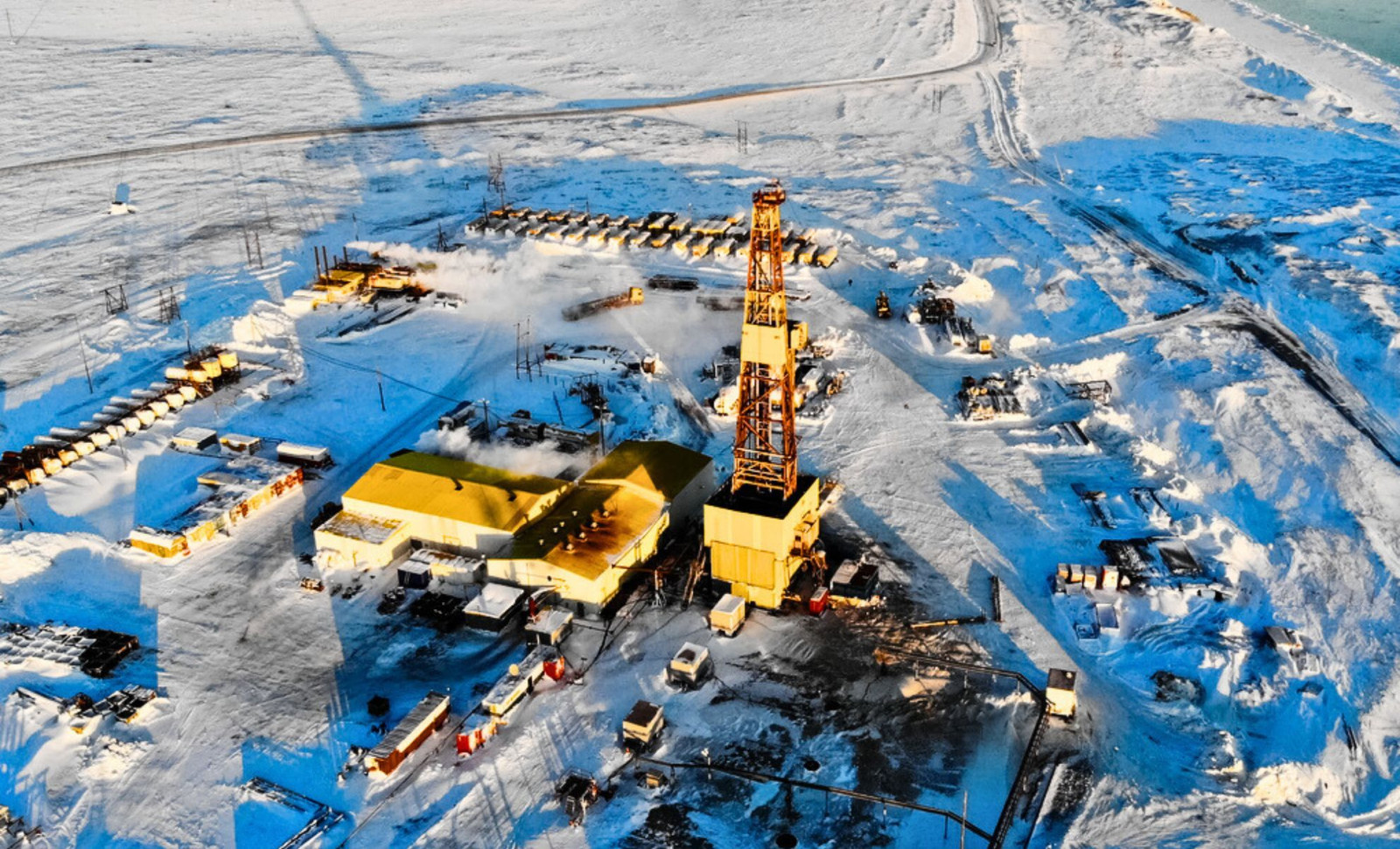
Recent drilling in a remote forested area of northern Minnesota has revealed data that could upend this assumption. The discovery suggests that substantial helium-3 deposits may be tapped here on Earth for the first time in economically significant amounts.

Topaz Reservoir in Minnesota Shows Helium-3 Levels Comparable to Moon Samples
The Topaz Project, operated by Pulsar Helium Inc. near Babbitt, Minnesota, announced in October 2025 that gas collected from the Jetstream #1 well contained helium-3 concentrations reaching 14.5 parts per billion (ppb). These measurements equal or surpass concentrations recorded in lunar soil brought to Earth by Apollo astronauts and referenced in NASA-supported studies on helium-3 reserves on the Moon.
Helium-3 is a non-radioactive helium isotope distinguished by having one neutron instead of the usual two. It’s crucial in numerous cutting-edge technologies ranging from neutron detection to quantum refrigeration. Despite these uses, helium-3 is extremely rare. Most comes from the decay of tritium in dismantled nuclear armaments, with small amounts sourced from natural gas extraction. Global annual supplies remain very limited, as supported by analyses from the Woods Hole Oceanographic Institution, which authenticated the Topaz findings.

Independent evaluations by Smart Gas Sciences LLC and Woods Hole Oceanographic helped confirm the helium-3 concentrations and isotopic composition. Consistently, the ³He/⁴He ratio hovered around 0.09 Rₐ across sample depths, indicating a uniform helium source within the reservoir.
This steady ratio amid varying helium-4 levels supports the notion of a dependable reservoir of helium-3. According to official Pulsar Helium statements, ancient uranium-rich geological formations and faults may have concentrated helium over millions of years.
Pulsar Helium’s CEO, Thomas Abraham-James, remarked in the company’s announcement: “Discovering helium-3 levels of this scale at our Topaz Project in Minnesota is truly unprecedented.”
Helium-3: Vital for Fusion, National Security, and Quantum Technologies
Helium-3 is regarded as a strategic resource. Its ability to absorb neutrons without generating radioactivity makes it indispensable for neutron detection tools critical in nuclear safeguard measures and advanced scientific instrumentation. It also plays an important role in the cooling systems used for quantum computing, enabling ultra-cold environments.
The isotope is also being researched as a promising clean fuel for nuclear fusion, potentially offering energy production with minimal radioactive waste. While commercial fusion power remains a long-term ambition, helium-3’s importance to emerging technologies is already well-recognized.
The scarcity of helium-3 results in high market prices, currently surpassing USD 18 million per kilogram, driven by growing demand and limited supply. Historically, the United States government has controlled access through restricted reserves.
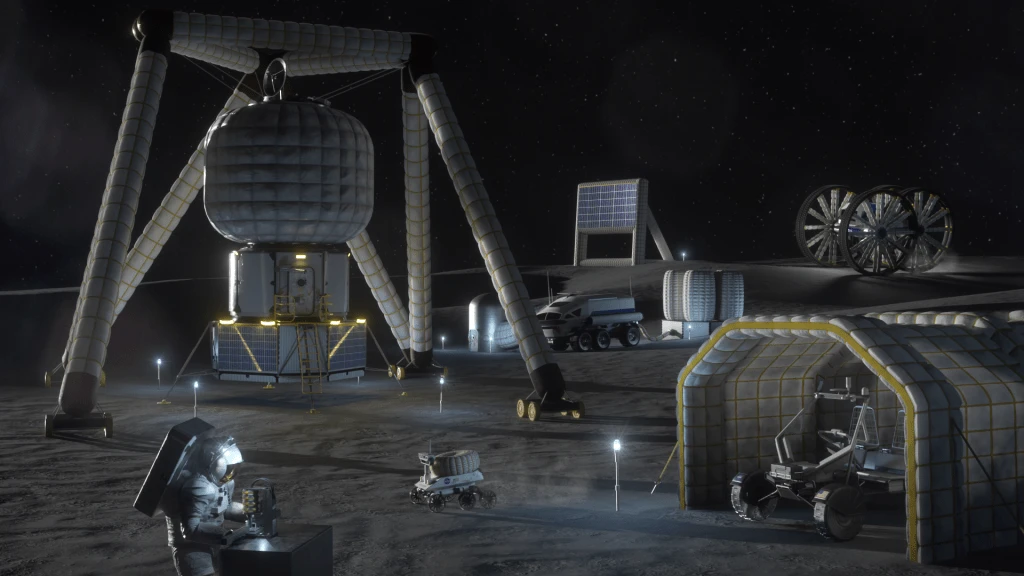
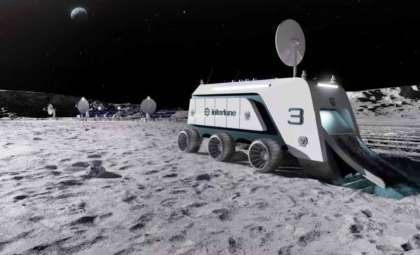
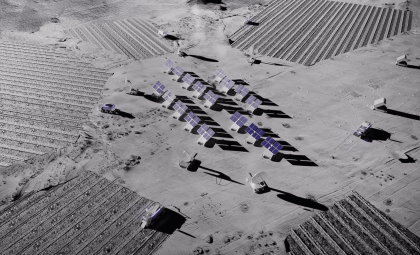
Both NASA and the U.S. Department of Energy have evaluated the concept of mining helium-3 from the Moon. Several lunar mining projects target regolith containing 4 ppb average helium-3 content, although the technological hurdles in accessing and processing it remain significant.
By comparison, the Topaz site shows terrestrial helium-3 concentrations that rival or exceed lunar levels. Importantly, the reservoir’s gas mix lacks hydrocarbons, simplifying extraction processes. Pulsar describes the gas as rich in nitrogen, which could lessen environmental impacts versus conventional fossil fuel helium sources.
Navigating Regulation and Local Concerns
Minnesota’s limited experience with oil and gas production means heliium-3 mining introduces new regulatory challenges. State agencies are actively developing frameworks for well operation oversight, emission controls, and land rehabilitation.
Community members and tribal authorities have voiced environmental worries, particularly regarding groundwater protection and the effects on local ecosystems. These discussions are taking place alongside interest in the potential economic opportunities helium extraction brings.
Advocates highlight the Topaz site as a valuable source of critical materials for advanced industries, promising job creation and tax revenue in a rural region. Yet residents request thorough evaluations of flare management, noise pollution, and the long-term environmental footprint of industrial activity.
Potential to Transform the Global Helium-3 Market
Unlike helium-3 derived from tritium decay or trace natural gas, helium in the Topaz reservoir is found in a nitrogen-dominant environment, facilitating easier separation. Nevertheless, isolating pure helium-3 remains technically challenging because it closely mimics helium-4 under normal conditions, requiring cryogenic or adsorption-based methods.
No existing commercial operation currently extracts helium-3 directly from natural gas streams. Pulsar Helium is encouraging collaboration with researchers and technologists to develop innovative extraction techniques onsite. This invitation for partnership highlights the complexity and importance of bringing this resource to market.
Ongoing drilling operations aim to better define the reservoir’s size, quality, and economic prospects. Planned activities include expanding well numbers and detailed gas composition modelling. If proven viable, this project could redefine helium-3 sourcing worldwide.
The discovery of stable, terrestrial helium-3 deposits in the U.S. offers new avenues to secure this strategic element. Realizing this potential will depend on technical advancements, sound regulation, and multi-sector cooperation.
- Categories:
- News







0 comments
Sign in to Comment