
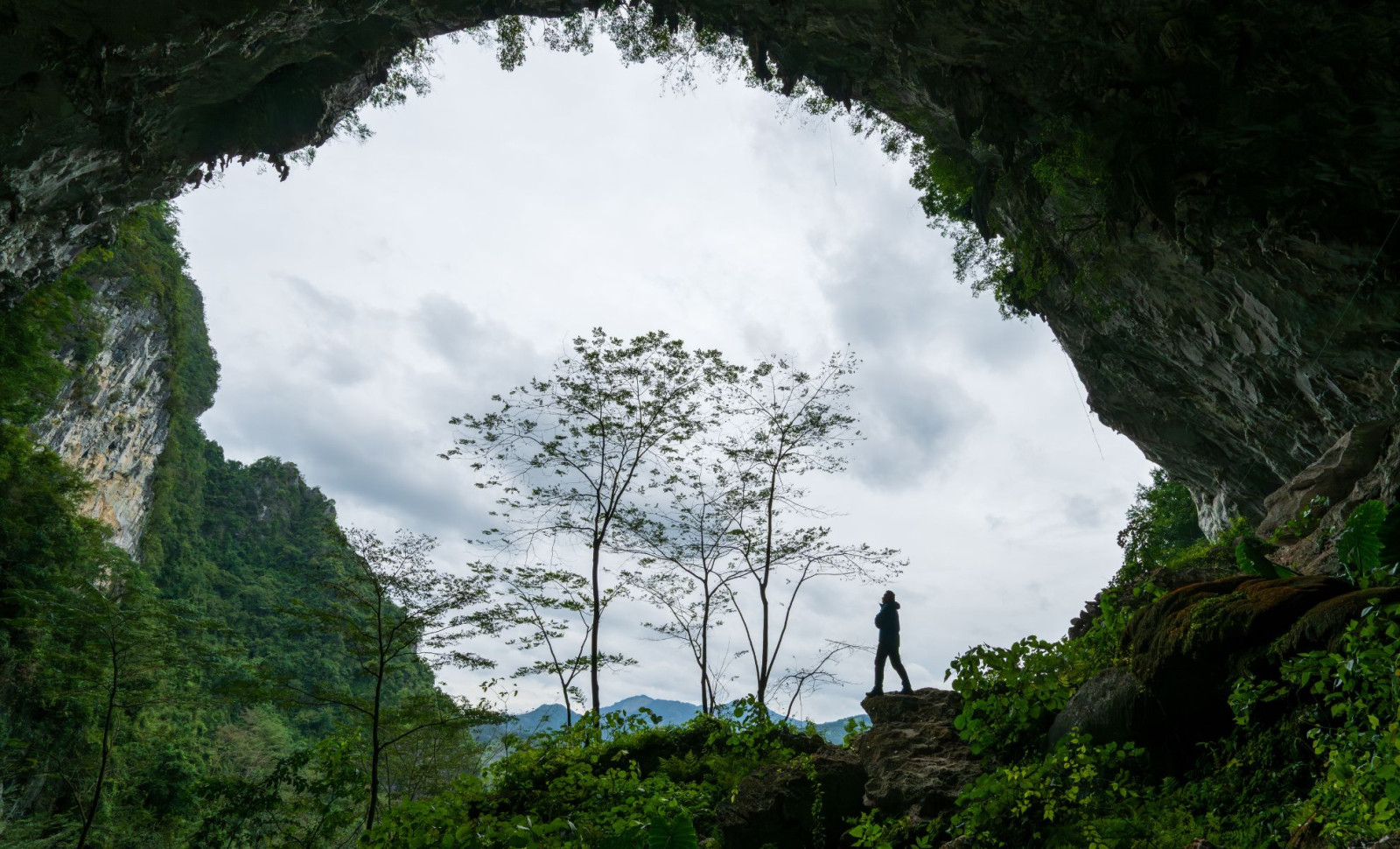
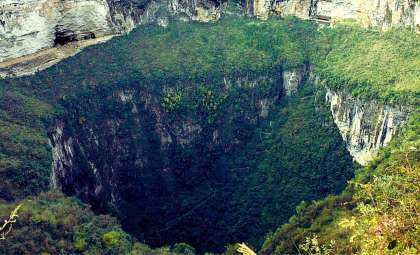
Explorers recently revealed a flourishing forest concealed deep within a colossal sinkhole located in southern China. Situated over 600 feet underground, this lush ecosystem has thrived away from human sight.
Situated near Ping’e village in Leye County, this sinkhole is part of a remarkable geological region. According to a Guangxi government announcement, the area boasts roughly 30 enormous sinkholes, making it a hotspot for scientific investigation.
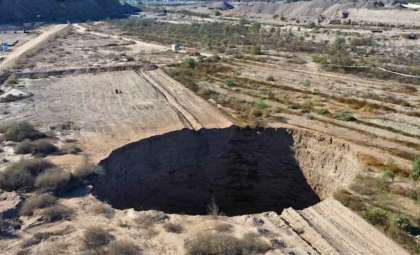
These impressive sinkholes, called tiankeng or “heavenly pits,” originate through the gradual erosion of limestone by water beneath the surface. The U.S. Geological Survey explains that this erosion leads to large subterranean voids that eventually collapse, forming vast pits like the one explored here.

An Extensive Forest Hidden Below
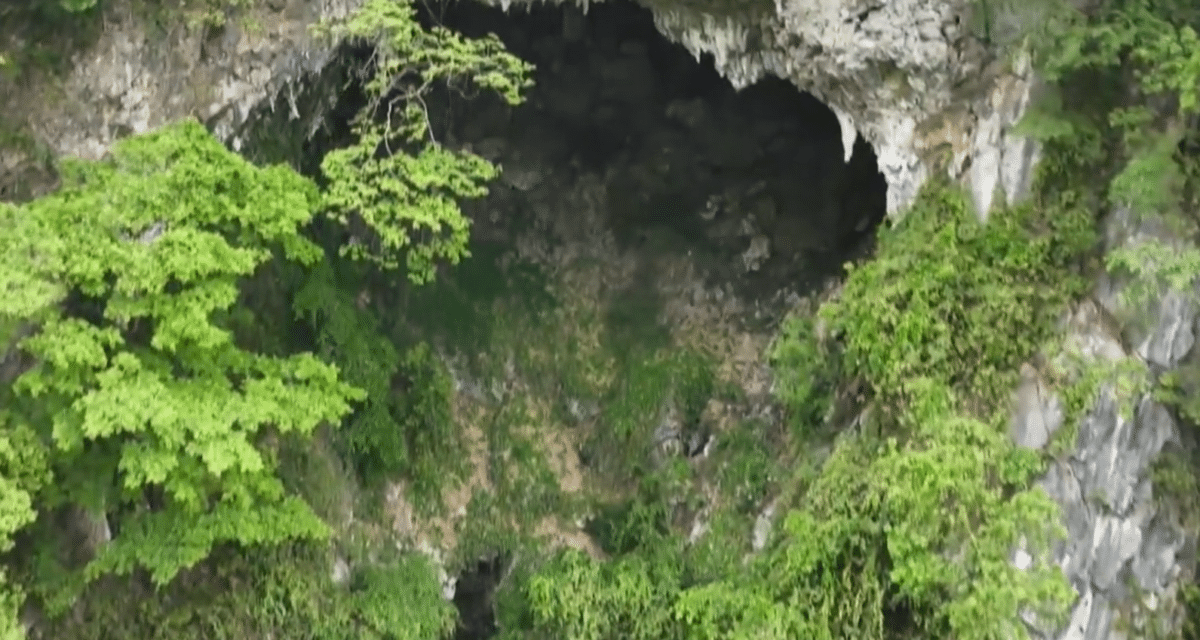
Diving to a depth of 630 feet, the team discovered a dense forest spanning an area almost equivalent to three football fields. As outlined in the official Chinese report, the vegetation remains largely pristine and intact.
Chen Lixin, expedition leader for the China Geological Survey, described thick underbrush reaching shoulder height, creating a compact, vibrant ecosystem.
“I wouldn’t be surprised to know that there are species found in these caves that have never been reported or described by science until now.”
Unique Trees Unseen Elsewhere
The most striking feature is the presence of ancient trees towering up to 130 feet. The official report highlights that these giants form a canopy comparable to forests above the ground, underscoring the uniqueness of this subterranean habitat.
The Washington Post emphasized that such hidden environments can serve as natural refuges, fostering isolated evolution in plant species. The sinkhole’s seclusion likely helped sustain this forest, though many aspects remain a mystery.
The Extremes of Karst Landscapes
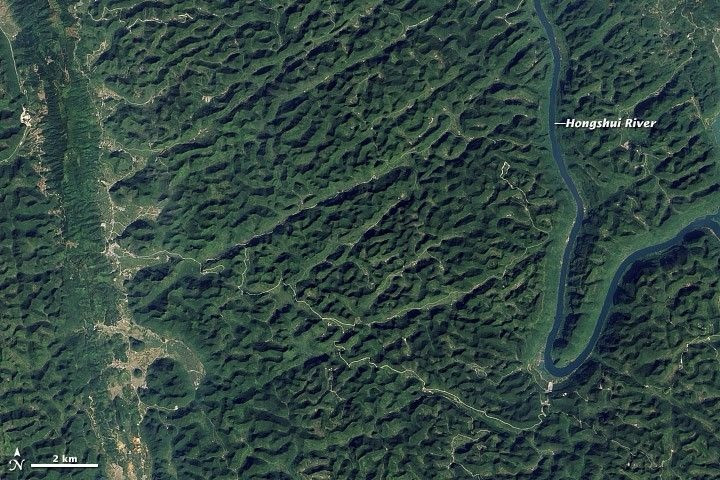
The geological context of China sheds light on these remarkable features. NASA estimates that approximately 13% of China's land area consists of karst formations, with Guangxi being notable for its dramatic scenery. As per UNESCO:
“The property contains the most spectacular, scientifically significant and representative series of karst landforms and landscapes of South China from interior high plateau to lowland plains and constitutes the world’s premier example of humid tropical to subtropical karst: one of our planet’s great landscapes.”
George Veni from the National Cave and Karst Research Institute told Live Science that karst formations differ greatly worldwide. In China, they are often immense and striking, featuring huge sinkholes and notable cavern openings, unlike the smaller, less obvious karst terrains found elsewhere.
“In China you have this incredibly visually spectacular karst with enormous sinkholes and giant cave entrances and so forth,” Veni said. “In other parts of the world you walk out on the karst and you really don’t notice anything. Sinkholes might be quite subdued, only a meter or two in diameter. Cave entrances might be very small, so you have to squeeze your way into them.”
- Categories:
- News




0 comments
Sign in to Comment