
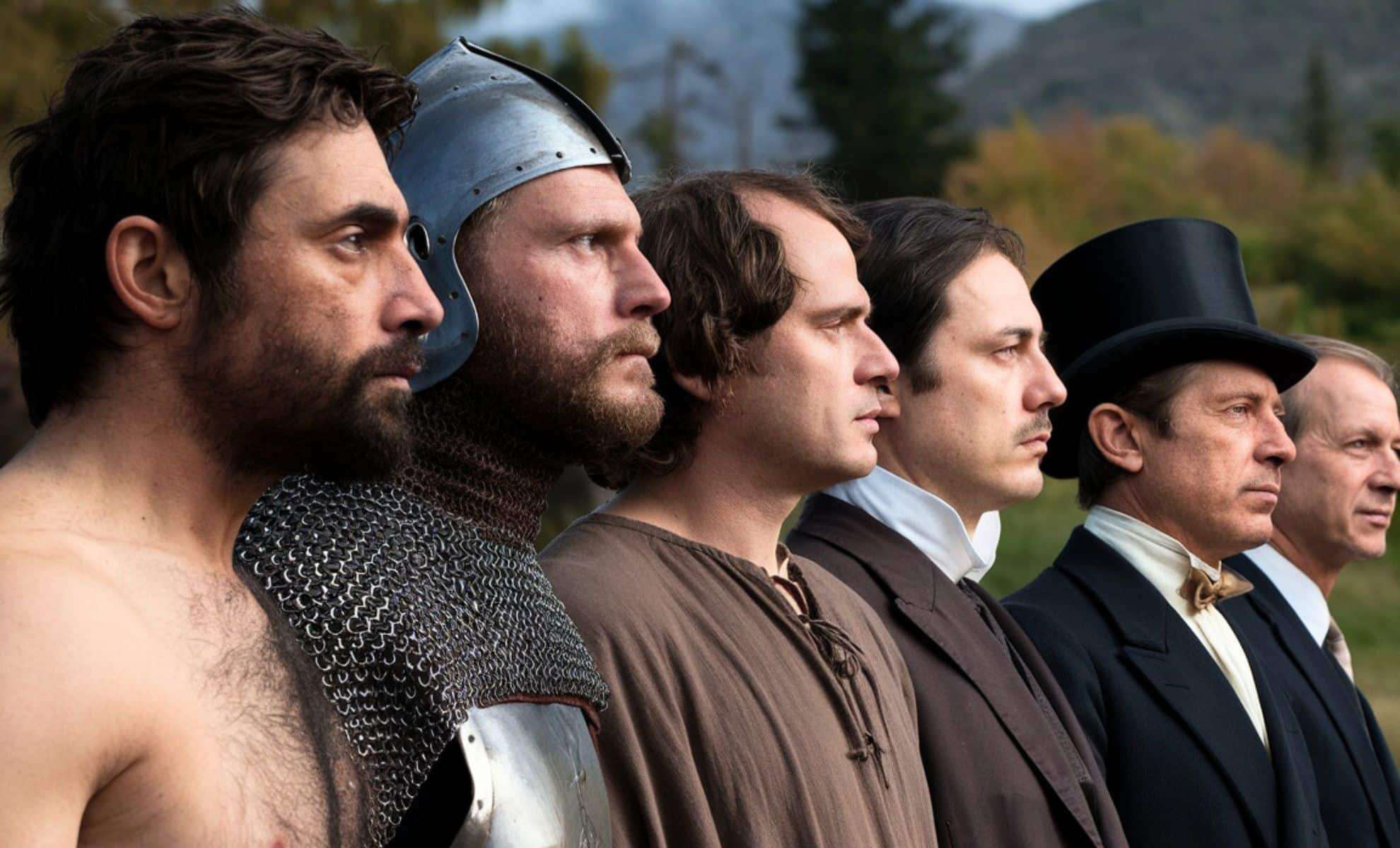
Human evolution, once primarily guided by natural selection, might now be influenced significantly by the advances in technology and medicine that alter traditional evolutionary pressures. With increased lifespans and better health outcomes, there's a growing debate about the current role of evolutionary processes in shaping humanity.
Genetic Diversity's Impact on Our Evolutionary History
In the past, evolutionary shifts in humans were largely propelled by genetic diversity that improved chances of survival. Traits offering protection against illnesses like malaria, tuberculosis, and leprosy were critical. Different populations developed specific genetic changes to thrive under challenging environmental and disease conditions.
For instance:

- In sub-Saharan Africa, the sickle cell gene emerged, conferring resistance to malaria.
- Certain regions of Asia and Africa have populations with mutations rendering them less vulnerable to leprosy.
- Communities dwelling at high altitudes, such as those on the Tibetan Plateau, evolved increased hemoglobin concentration to adapt to low oxygen levels.
These cases highlight how environmental challenges historically influenced human genetic adaptation over many generations.
Is Evolution Still Active in Modern Humans?
With the advent of modern healthcare and technologies, the natural selection pressures that once dictated evolution have diminished. David Attenborough, a prominent natural historian, has expressed concerns that medical progress may have effectively paused natural selection by enabling survival of infants with genetic abnormalities. This could suggest traditional evolutionary mechanisms have weakened.
Nonetheless, evolution persists, now increasingly influenced by social, cultural, and technological elements. These new pressures affect human genetics through behavioral, health-related, and societal changes that shape how traits are passed down.
The Influence of Cultural and Social Dynamics on Evolution
Emerging research suggests evolution is ongoing, but now shaped less by survival threats and more by societal trends. For example, in the Netherlands, taller men tend to have greater reproductive success due to social preferences.
Human evolution today responds to factors like mating choices and cultural norms, which impact inheritance patterns. Changes in diet and globalization might also drive genetic adaptations related to metabolic, nutritional, and health characteristics.
Disease Continues to Shape Our Genetic Landscape
Despite medical improvements reducing mortality, illnesses still exert selective pressure on human genes. Adaptations like resistance to diseases such as HIV and malaria remain active evolutionary processes.
Examples include:
- The CCR5-Δ32 mutation, present in some demographics, provides protection against HIV by preventing viral entry into cells.
- Sickle cell anemia offers defense against malaria, despite its own health drawbacks.
- Cystic fibrosis mutations may give advantages against bacterial diseases like cholera, demonstrating natural selection in disease contexts.
These instances illustrate how pathogenic challenges still influence the genetic makeup of human populations.
Prospects for the Future of Human Evolution
The traditional agents of evolution may have softened, but novel influences continue directing our species’ development. Future evolutionary pathways will likely respond to global warming, space colonization, and advanced biotechnologies.
Key factors that could shape human adaptation include:
- Climate Change: Rising temperatures and shifting environments might promote genetic traits suited to these new conditions.
- Space Travel: Exposure to microgravity and cosmic radiation could drive adaptations for space habitation.
- Artificial Intelligence and Genetic Engineering: Innovations in gene editing and biotech may empower humans to intentionally guide their evolutionary changes, enhancing physical and mental attributes.
Human evolution is not over; it is evolving in tandem with both nature’s challenges and the technological horizons we pursue.
- Categories:
- Evolution










0 comments
Sign in to Comment