
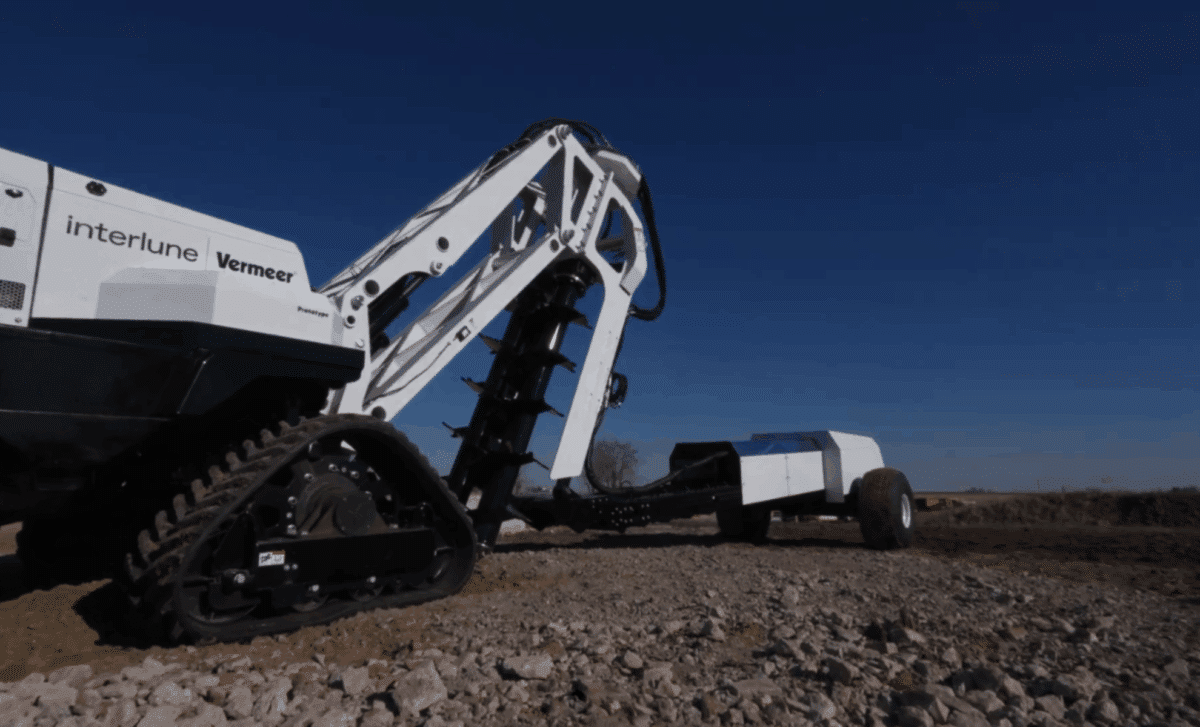
An emerging company is set to push the boundaries of lunar exploration with plans to harvest helium-3, a scarce isotope renowned for its vast energy potential. The Seattle-based startup, Interlune, is leading this bold endeavor, targeting a 2027 deployment. Their mission, dubbed Prospect Moon, intends to demonstrate technology that can extract this precious element right from the Moon's surface. Their ultimate goal is to establish a commercially viable and technically sound process for mining lunar helium-3.
The Potential Economic Impact of Helium-3 from the Moon
The Moon’s surface is continually exposed to solar wind, which implants minute quantities of helium-3 (He-3)—a safe, non-radioactive isotope considered a promising fuel for future nuclear fusion applications. Proponents of lunar mining argue that unlocking this resource could revolutionize energy on Earth by providing a clean, nearly inexhaustible power source. The major obstacle is not only reaching the lunar surface but efficiently extracting He-3 from the lunar regolith, the Moon’s dusty top layer.
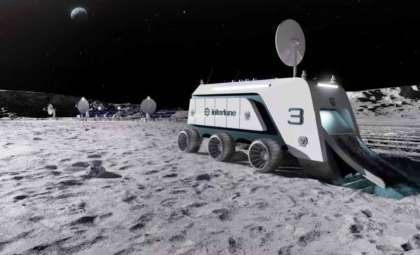
This challenge is where Interlune takes center stage. Established in 2024 by experienced aerospace professionals including Rob Meyerson and Gary Lai, the startup has secured funding and interest for its novel approach. Their Prospect Moon mission will deploy an autonomous robot to the nearside lunar maria, known for their ilmenite-rich soils, in order to test equipment capable of collecting, processing, and analyzing regolith samples to isolate helium-3.

“The high-rate excavation needed to harvest helium-3 from the Moon in large quantities has never been attempted before, let alone with high efficiency,” said Gary Lai, Interlune’s co-founder and CTO.
This statement highlights the ambitious scale of the project. The company estimates helium-3’s worth at around $20 million per kilogram, ranking it among Earth’s most valuable materials. However, practical extraction of He-3 remains unproven at lunar scale.
An Autonomous Mission with High Goals
The design of Prospect Moon builds on data from earlier missions like the Clementine mission of the 1990s, which mapped titanium dioxide levels—a key indicator for ilmenite deposits where helium-3 is abundant. Interlune focuses on older, fine-grained ilmenite, which is richer in He-3 and less energy-intensive to process, shaping the technology approach for their mining system.
The spacecraft will carry four main instruments: a regolith sampling system, a helium-3 extraction unit, a mass spectrometer, and a multispectral imaging camera. All these devices will operate autonomously, collecting and evaluating samples without direct human control. A success here would represent a major milestone for in-situ resource utilization (ISRU), a key enabler for sustained lunar activities.
“When you’re operating equipment on the Moon, reliability and performance standards are at a new level,” said Rob Meyerson, Interlune’s CEO.
These systems must endure the Moon’s airless environment, intense radiation, and drastic temperature fluctuations. Besides proving the concept’s viability, Prospect Moon also aims to contribute valuable open-access scientific data.
“We’ve been very pleased with the results of the test program to date and look forward to the next phase of development,” Lai added, pointing to a trajectory that could reshape the economics of the Moon.
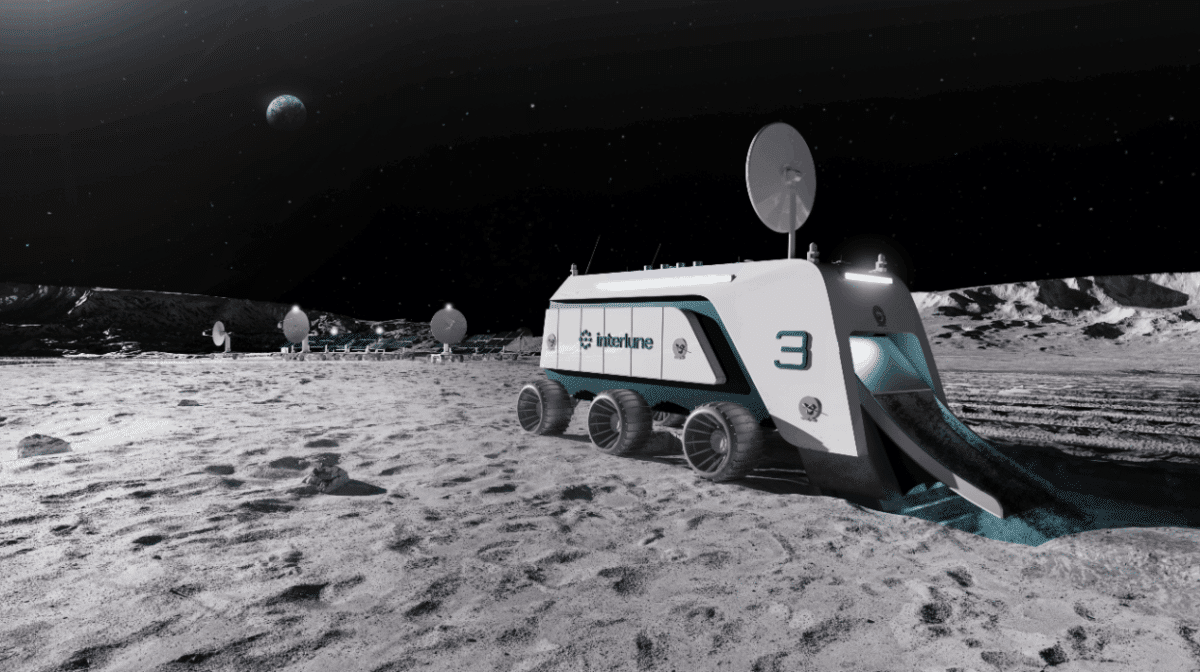
Mining the Moon Amid Commercial Space Progress
The launch timeframe for Prospect Moon aligns with the maturation of commercial lunar landers, including those under NASA’s CLPS (Commercial Lunar Payload Services) initiative. Interlune plans to leverage these platforms, adopting proven lander designs to reduce expenses and development complexity.
Despite increased investments, achieving soft lunar landings remains challenging. Interlune has raised $18 million in seed capital, received a research grant from the U.S. Department of Energy to advance He-3 development, and conducted initial tests on regolith extraction technologies. Ultimately, the definitive evaluation will occur on the lunar surface.
Success could unlock a new wave of businesses involved in the lunar economy, focusing on resource extraction, off-world infrastructure, and even transmitting power back to Earth. Validating helium-3 as a practical fuel may transform the Moon from a destination for astronauts into a resource hub.
A New Chapter in Space Exploration
Scheduled tentatively for 2027, Prospect Moon aims to redefine commercial space missions. Unlike purely scientific probes, Interlune’s focus is on establishing a sustainable business model. Achieving effective helium-3 extraction and producing usable data would have wide-reaching impacts beyond the startup’s own plans.
With space ventures shifting from government-led to private enterprise, the Moon is evolving into a testing ground for not only technology but entire new industries. Whether Interlune’s mission becomes a landmark success or a lesson in lunar challenges depends on how well it tackles the obstacles of deep-space operations and the volume of helium-3 it manages to harvest.
- Categories:
- News





0 comments
Sign in to Comment