
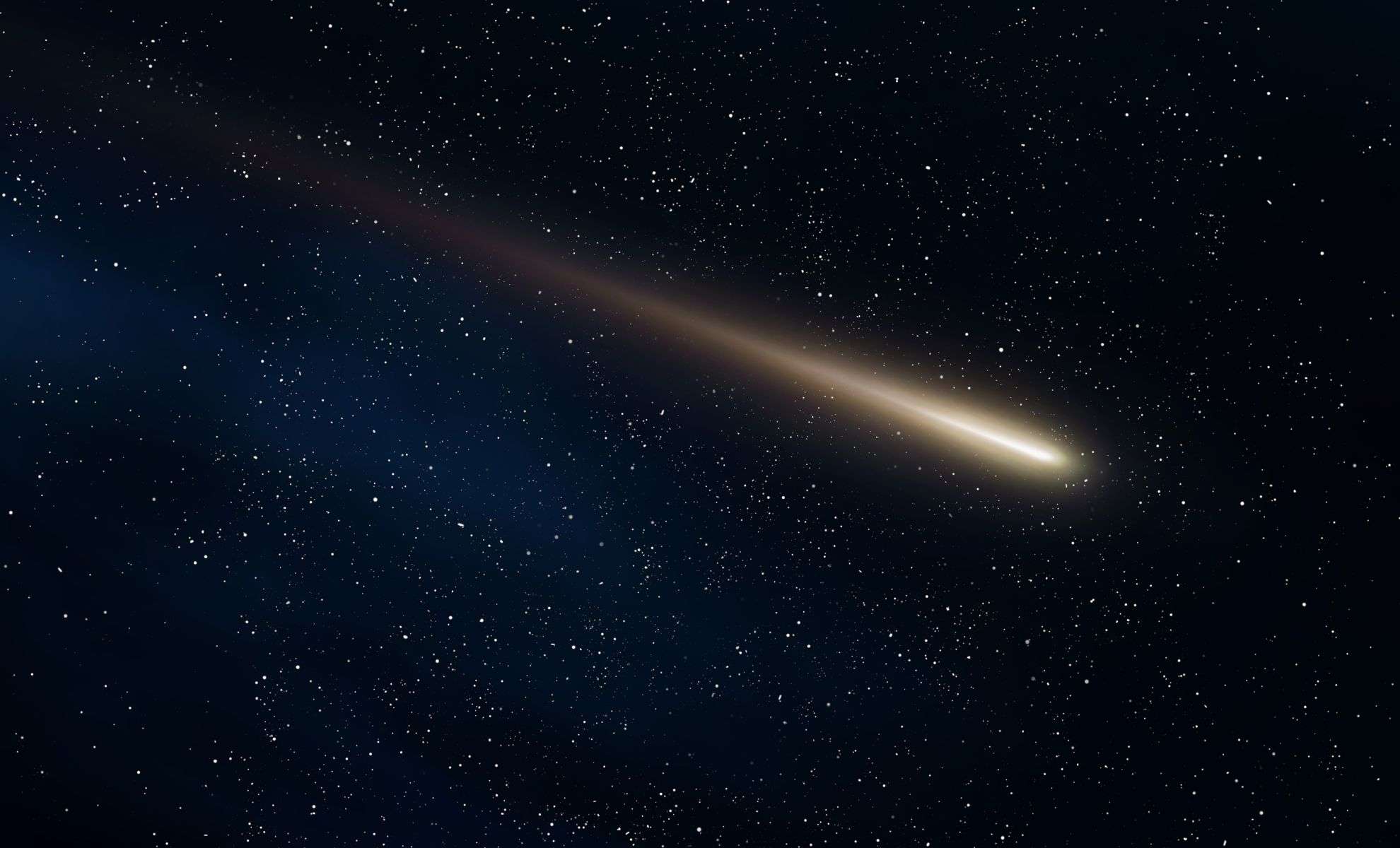
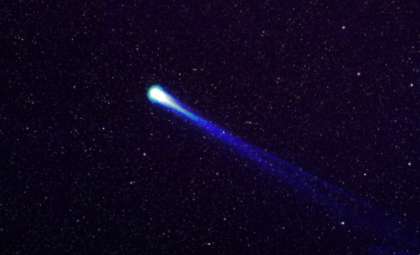
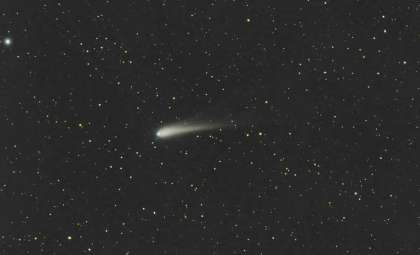
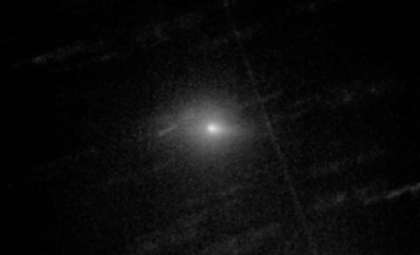
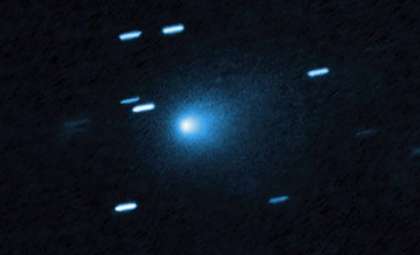
The Neil Gehrels Swift Observatory from NASA has made a landmark observation involving comet 3I/ATLAS, an interstellar visitor that continues to amaze researchers. The telescope detected hydroxyl (OH) molecules—an unmistakable sign of water—emanating from the comet, even though it remains much farther from the Sun than where most comets typically become active.
Identified in July 2025, comet 3I/ATLAS stands apart from common comets as it originates from outside our Solar System. This interstellar object is among a rare class, expected to eventually exit the Solar System permanently. With an estimated age exceeding 7 billion years, it may be the most ancient comet ever observed, offering a glimpse into the early universe.
Surprising Signs of Water at Great Distance
The Neil Gehrels Swift Observatory picked up faint ultraviolet emissions from 3I/ATLAS, revealing hydroxyl (OH) gas—a reliable indicator of water presence. Auburn University scientist Dennis Bodewits highlighted that this ultraviolet detection was critical because such activity often goes unnoticed by ground telescopes.

Observed at nearly three times Earth's orbital distance from the Sun, where comet activity normally subsides due to extreme cold, 3I/ATLAS surprisingly emitted water at approximately 40 kilograms per second. This level of activity defies typical expectations for comet mechanics at such vast solar distances.
The findings suggest that factors beyond sunlight might be driving this unexpected water release, possibly involving sublimation of fine icy grains near the comet’s core triggered by solar heating.
New Perspectives on Chemistry Beyond Our Solar Neighborhood
The water signature identified on 3I/ATLAS marks a pivotal advancement in studying the chemical makeup of comets, especially those arriving from distant star systems. As Bodewits emphasized, examining hydroxyl around interstellar comets could unlock vital clues about planet-formation mechanisms elsewhere in the galaxy.
Expanding on this, Bodewits noted that such research could illuminate the origins of life’s essential ingredients beyond our Solar System. Detecting water on a comet originating from another star raises exciting possibilities about habitability on exoplanets throughout the cosmos.
This discovery may transform scientific understanding of how planetary systems develop and the potential for life beyond our Sun’s domain.
The Vital Role of Space-Based Observatories
This milestone was achieved due to the unparalleled capability of the Swift Observatory, which functions above Earth's atmospheric distortions. This vantage allows the observatory to detect ultraviolet signals that cannot penetrate Earth's atmosphere, granting scientists a unique opportunity to analyze the comet's detailed properties.
Zexi Xing, a postdoctoral scientist leading the published study in The Astrophysical Journal Letters, explained that observing 3I/ATLAS at this critical phase was key to capturing data unattainable through other means.
Observatories like Swift are essential for detecting faint or distant celestial bodies, often elusive to terrestrial telescopes. The successful study of 3I/ATLAS underscores the importance of space-based instruments in advancing our exploration of the universe.
- Categories:
- Space





0 comments
Sign in to Comment