
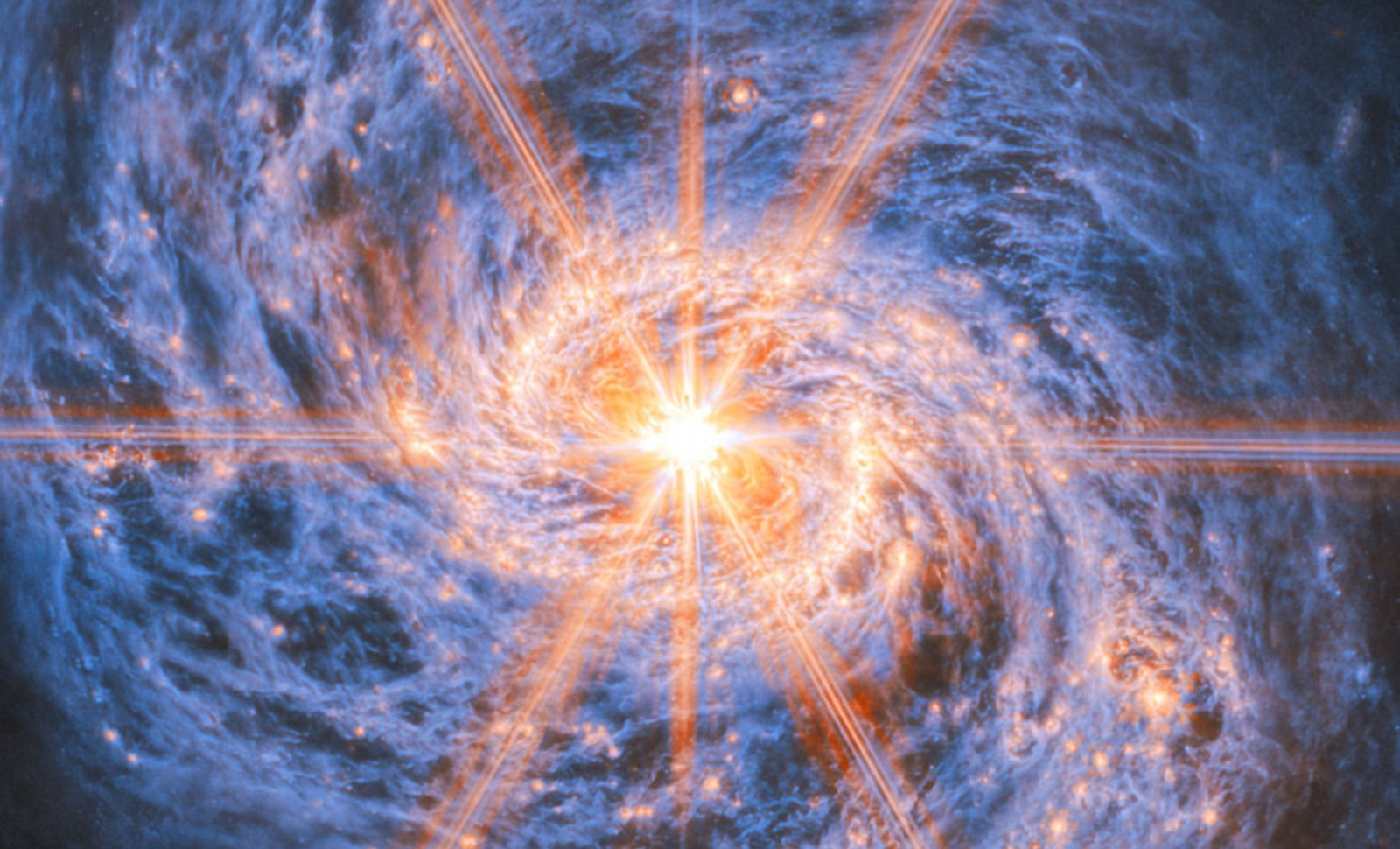
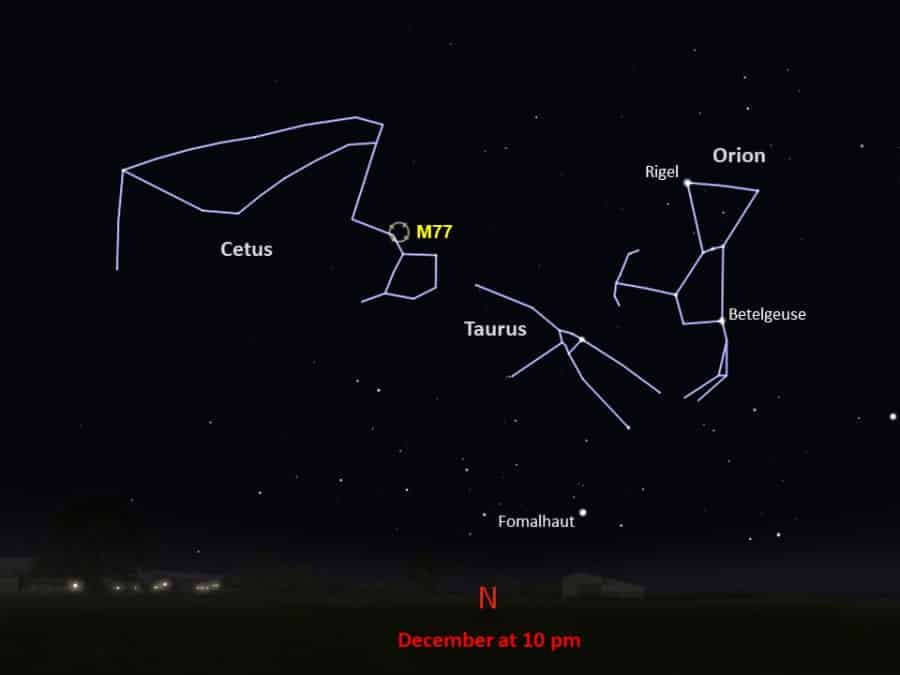
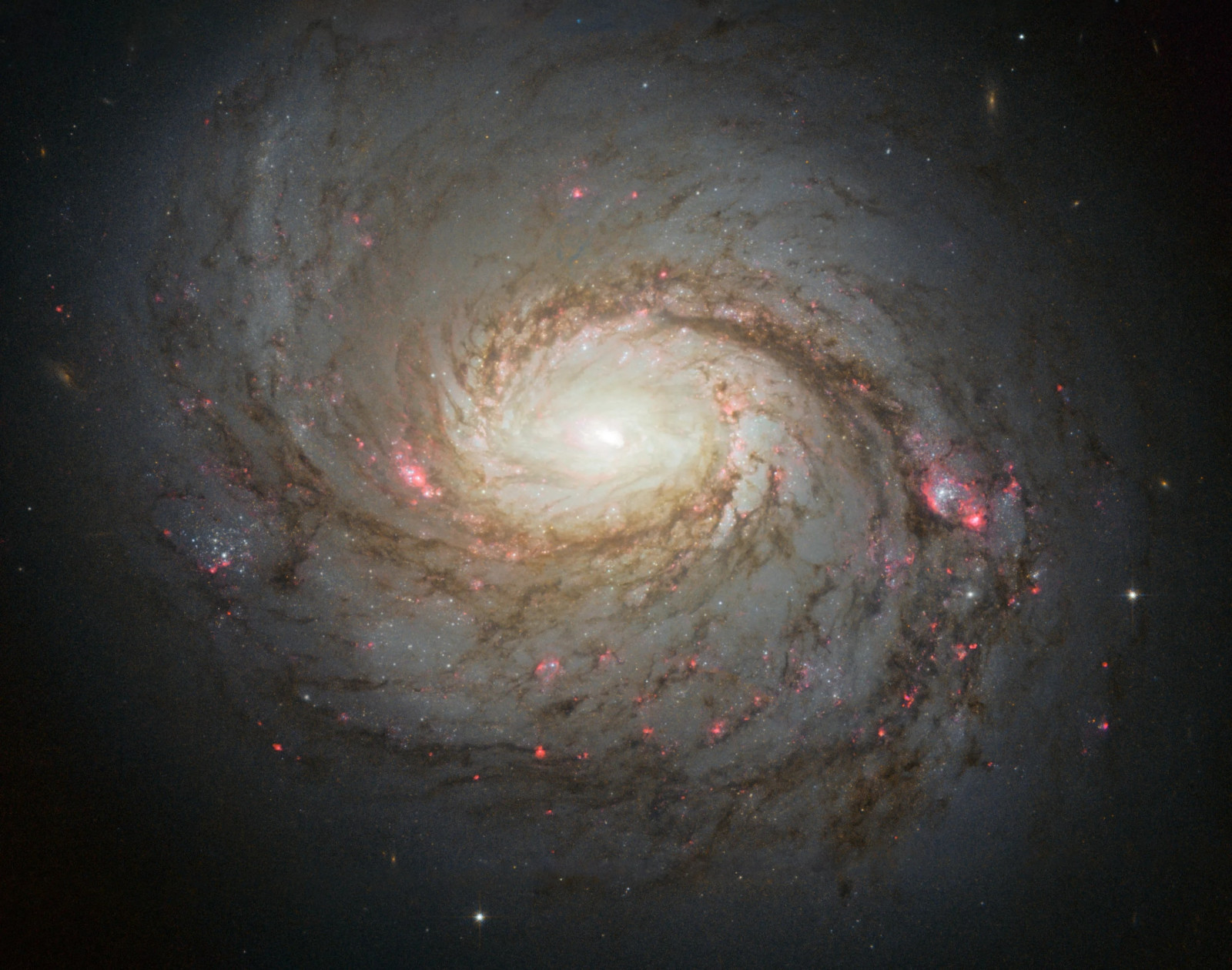
The James Webb Space Telescope has delivered a breathtaking new view of Messier 77, a spiral galaxy dominated by an intensely luminous core. Positioned 45 million light-years from Earth in the constellation Cetus, this galaxy's active center exposes the immense forces unleashed by a supermassive black hole voraciously consuming nearby matter.
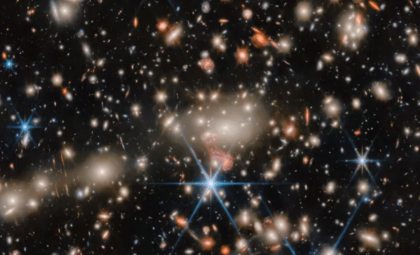
This spectacular image highlights how the James Webb Space Telescope has revolutionized astronomy since its 2021 deployment. While active galactic nuclei have been studied for decades, Webb’s advanced infrared sensors reveal these energetic cores with unparalleled detail, offering fresh insights into their complex interactions with surrounding material.
The Powerhouse at Messier 77’s Center
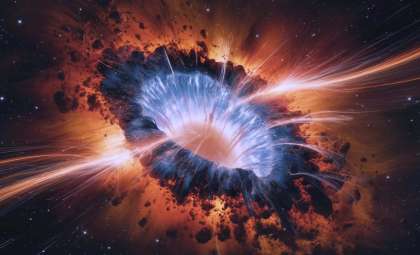
As detailed in NASA’s coverage, the galaxy’s dazzling core is fueled by a supermassive black hole approximately 8 million times the mass of our sun. Far from dormant, this active black hole voraciously draws in gas and dust, intensifying as the material spirals ever closer to the event horizon under immense gravitational pull.

The intense brightness arises because the infalling material heats up dramatically. As gas and dust accelerate inward, friction causes the particles to reach extraordinary temperatures.
These extreme temperatures cause the material to emit a broad spectrum of light, spanning radio waves to visible wavelengths, creating a radiant core that outshines much of the galaxy.
Peering Through Cosmic Dust with Infrared Eyes
The James Webb Space Telescope’s mid-infrared instruments are crucial for capturing the intricate details in Messier 77’s active center. Unlike visible light, infrared waves can penetrate dust clouds that usually obscure galactic nuclei.
As reported by Phys.org, this capability marks a significant advantage over previous observatories, which often struggled to see through the dense dust surrounding these turbulent regions.
A New Chapter in Cosmic Exploration
Since its 2021 launch, the James Webb Space Telescope has been capturing images of the cosmos that showcase its unmatched power. The stunning view of Messier 77 adds to a growing body of work demonstrating the profound impact of this observatory.
The continuous flow of groundbreaking discoveries powered by Webb’s suite of instruments indicates that we’re just beginning to understand the vast knowledge this telescope will provide, reshaping our perspective on the universe.
- Categories:
- Astronomy




0 comments
Sign in to Comment