
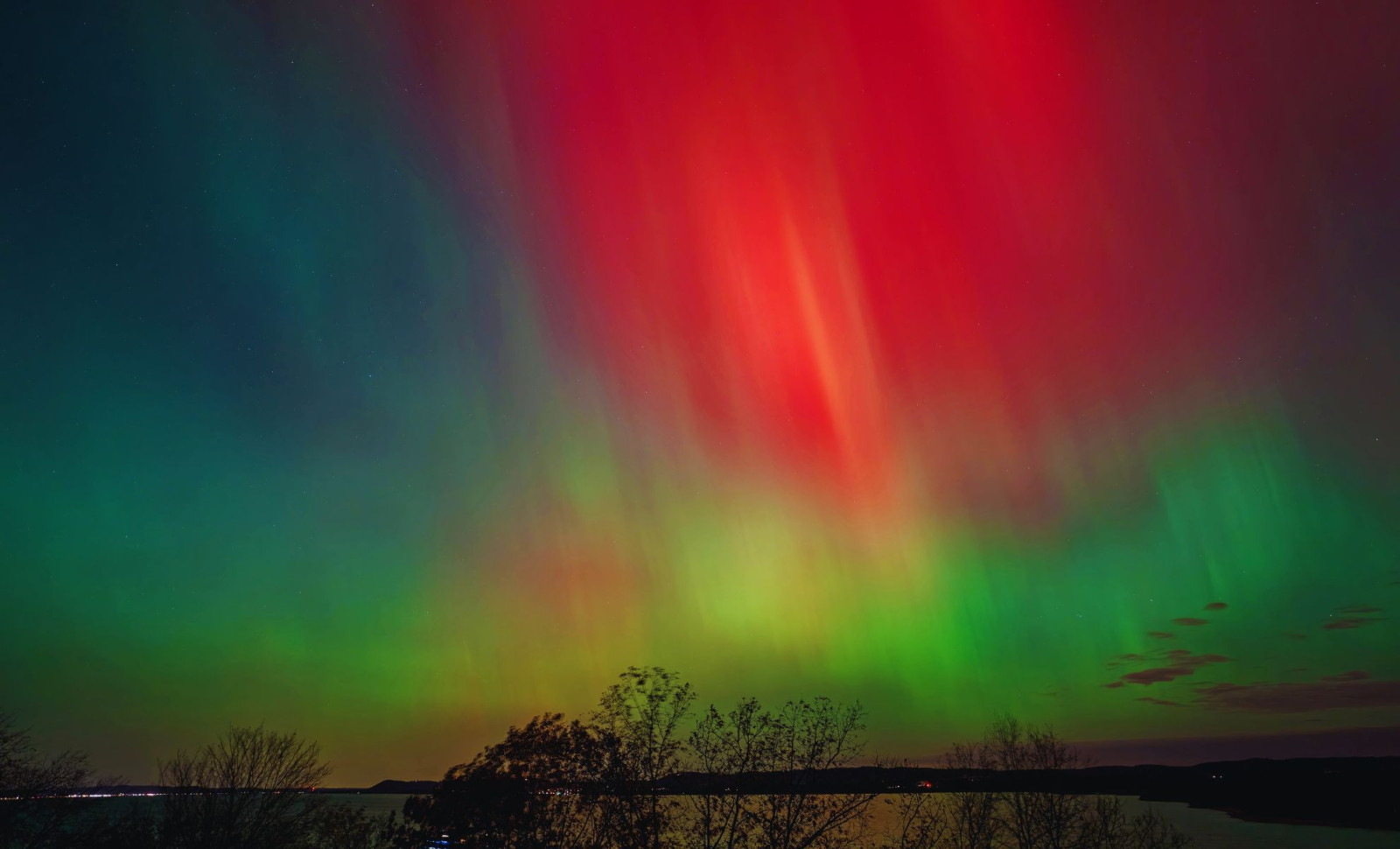
March 2026 is shaping up to be a remarkable month for those fascinated by celestial phenomena, particularly aurora watchers. Experts highlight this period as potentially offering the most vivid Northern Lights in nearly ten years. A unique interplay between heightened solar activity and the “equinox effect” might result in more frequent and brilliant auroral events across the Northern Hemisphere.
How the “Equinox Effect” Amplifies Aurora Occurrences
The spring equinox will take place at 10:46 a.m. EDT (14:46 UTC) on March 20, marking a seasonal shift in the Northern Hemisphere. During this time, Earth’s magnetic field aligns more directly with the solar wind, intensifying the likelihood of auroral activity through the so-called “equinox effect.”
First described in 1973 by researchers Christopher Russell and Robert McPherron, this phenomenon explains why auroras tend to peak around the equinoxes in both March and September. When the solar wind’s southward magnetic fields counterbalance Earth’s northward magnetic field, charged solar particles are able to penetrate Earth’s atmosphere, igniting dynamic and dazzling auroras.

Solar Maximum Approaches Its End Amid Increased Activity
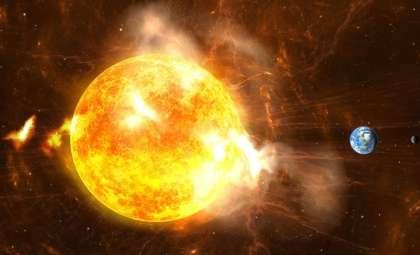
While the equinox effect raises the possibility of seeing auroras, the sun’s current magnetic activity determines their brilliance. March 2026 coincides with the later stage of the solar maximum, the period within the sun’s 11-year activity cycle characterized by its greatest magnetic turbulence. Intense solar flares and coronal mass ejections—massive releases of charged particles—can energize spectacular aurora displays when they interact with the atmosphere.
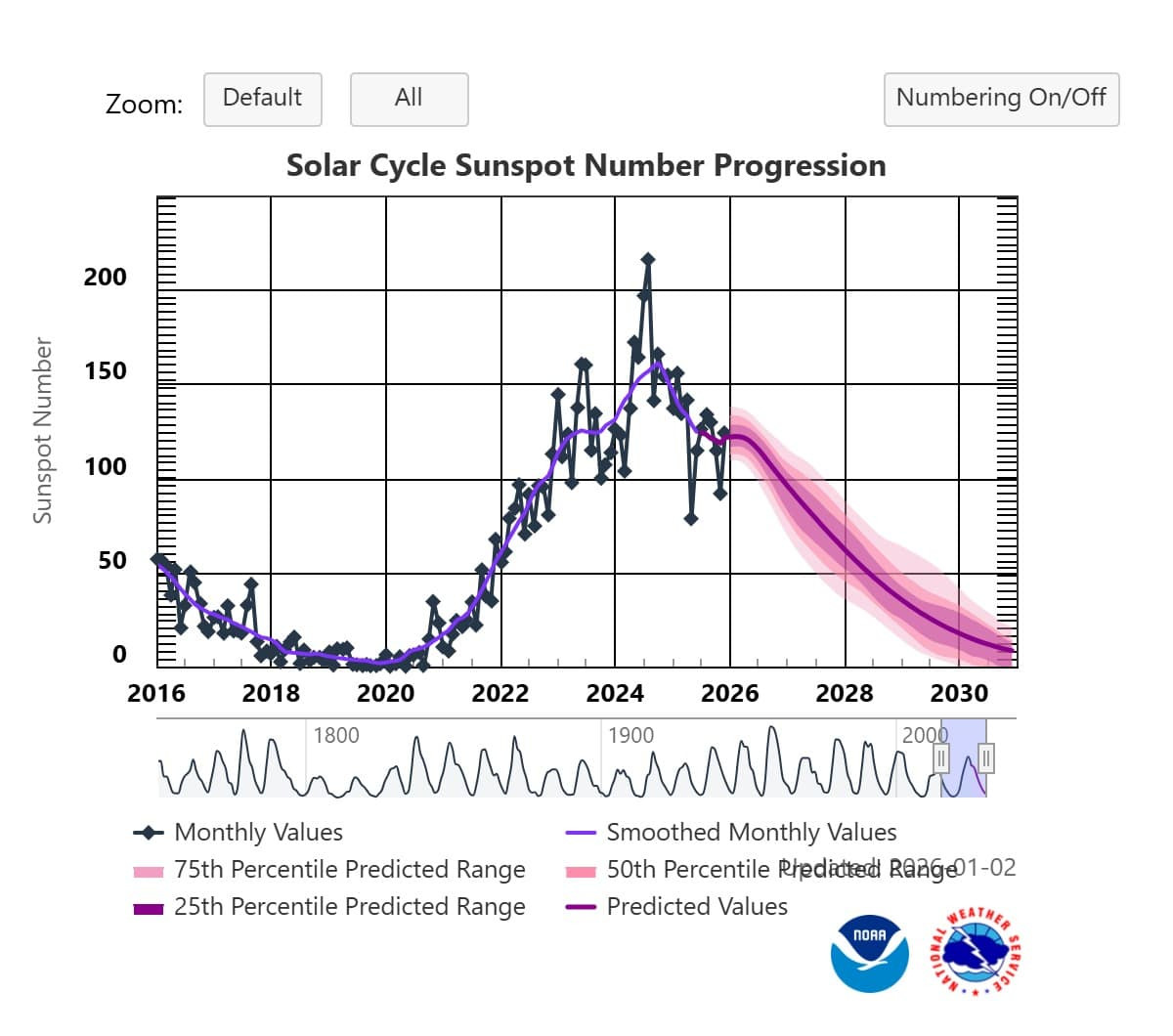
NASA and the National Oceanic and Atmospheric Administration (NOAA) indicate that the solar maximum was likely reached in October 2024, though confirmation will take time. As the solar peak declines, sunspots—darker, magnetically active regions on the sun’s surface—begin to diminish. The U.K. Met Office comments:
“This means that there remains an ongoing chance of further significant space weather events, which could bring the potential for aurora sightings for some, with a larger window for this visibility during the darker winter months.”
Prospects for Viewing Auroras at Lower Latitudes in March
Those hoping to witness the Northern Lights from regions south of the typical aurora zones should temper optimism. Despite the strong solar activity coupled with the equinox effect, widespread visibility farther south is far from guaranteed.
In early February, a sizeable sunspot caused auroras to appear at unexpectedly low latitudes, but that sunspot has since disappeared. Solar activity’s unpredictability makes it impossible to forecast whether a new sunspot might emerge to extend aurora visibility across broader areas.
Although the solar cycle is nearing its conclusion, March 2026 could still present one of the best aurora-viewing windows in recent years. However, whether atmospheric and solar conditions will perfectly align to produce wide-ranging Northern Lights remains uncertain.
- Categories:
- Science









0 comments
Sign in to Comment