
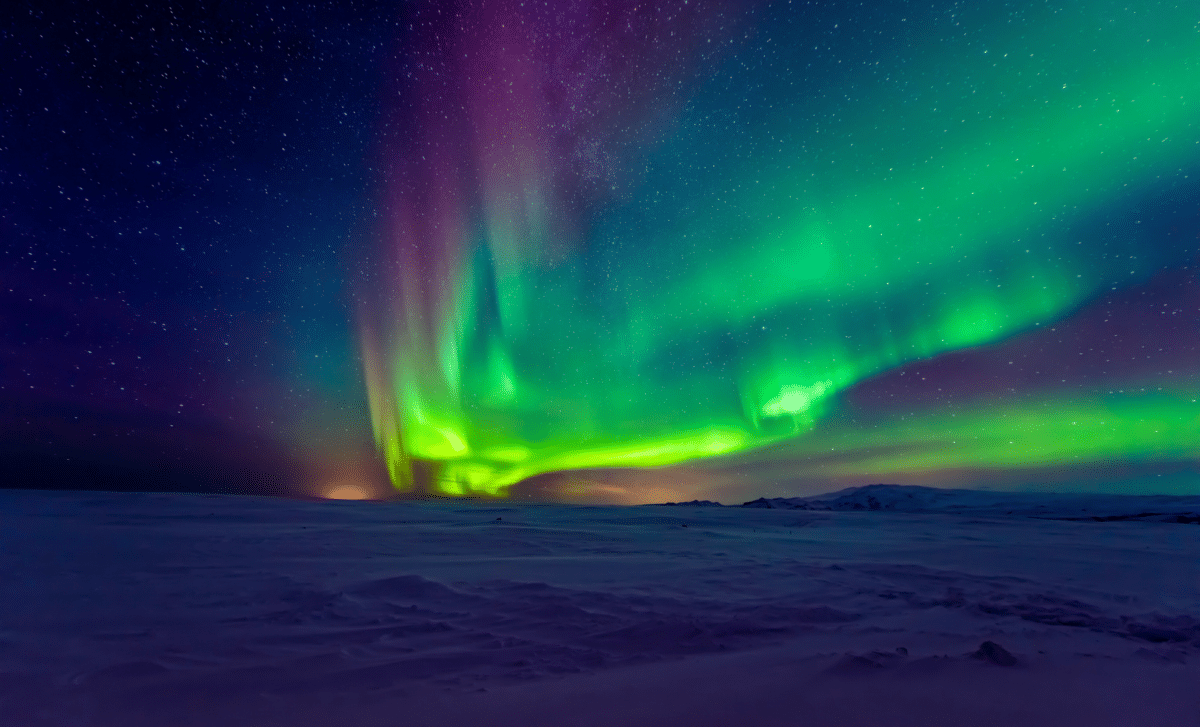
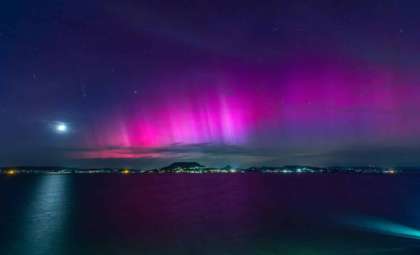
Recent shifts in solar dynamics, marked by a fresh surge of solar eruptions, have captured the attention of NOAA forecasters anticipating a possible resurgence of aurora displays. Although the past few nights have largely been tranquil in many areas, a cluster of potent solar flares has reignited hopes for dazzling Northern Lights, especially across higher latitude locations.
Powerful X-Class Solar Flares Indicate Heightened Solar Activity
In recent days, the Sun has unleashed several X-class solar flares, representing the most intense variety of solar eruptions. These powerful outbursts originate from highly magnetized sunspot regions capable of discharging immense energy streams into space. Such flares often signal growing instability within the Sun’s magnetic field.
While solar flares themselves don’t guarantee auroral displays, they commonly precede or coincide with coronal mass ejections—large expulsions of charged particles that interact with Earth's magnetosphere. When these solar particle clouds head toward Earth, they compress the magnetic shield and energize the upper atmosphere, igniting the spectacular Northern Lights. The uptick in flare intensity suggests the Sun is entering a more volatile phase, raising the likelihood of geomagnetic disturbances.

NOAA Forecasters Keep a Close Eye on Key Indicators
NOAA’s Space Weather Prediction Center reports that geomagnetic conditions remain largely calm at present, though the environment is steadily evolving. Scientists carefully monitor factors such as solar wind velocity, magnetic field direction, and the timing of incoming solar material. Even minor shifts in these elements can greatly impact aurora visibility.
NOAA warns that should a coronal mass ejection follow the recent flares and align compatible with Earth's magnetosphere, geomagnetic storm intensity could surge rapidly. These storms cause the auroral oval to expand, allowing Northern Lights to be visible farther south than usual. This possibility keeps experts vigilant, especially midweek, despite current subdued short-term forecasts.
Regions Most Likely to Witness the Northern Lights
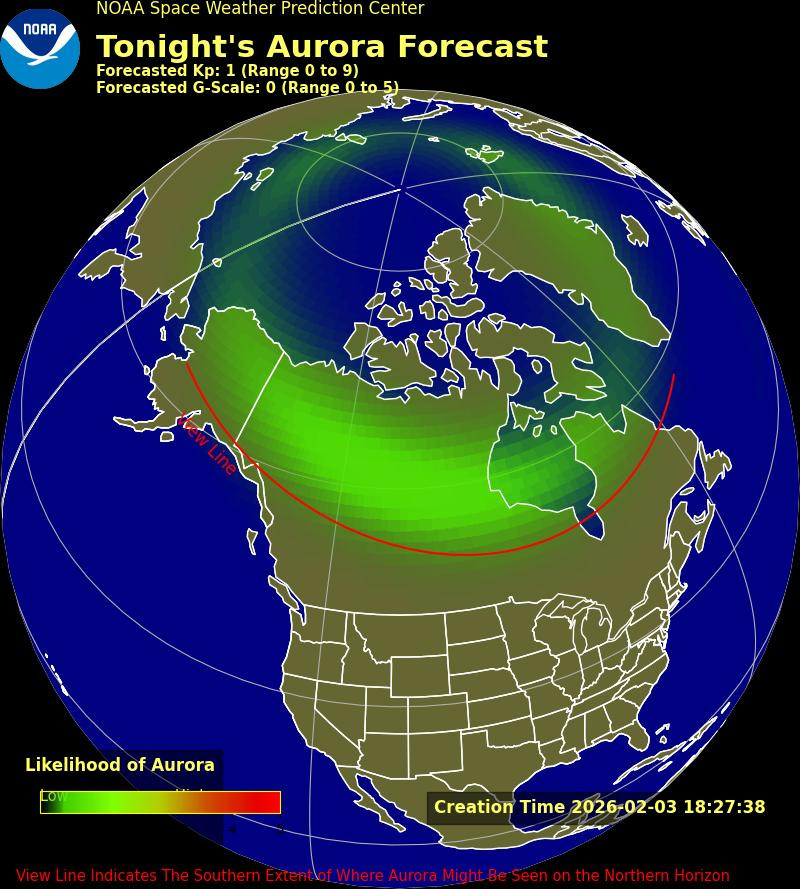
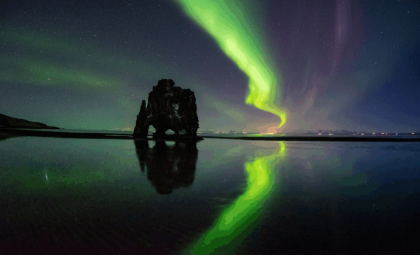
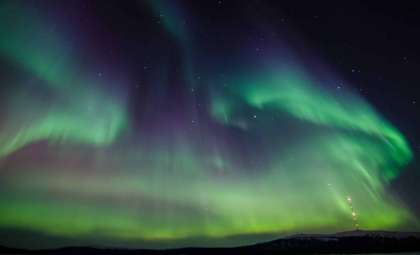
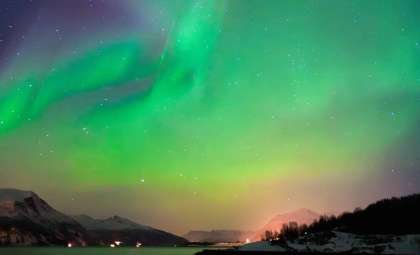
The auroras are currently predicted to remain predominantly over high-latitude areas including Alaska, northern Canada, Greenland, and sections of Scandinavia. These regions lie under the common auroral oval and tend to respond immediately to increases in geomagnetic activity. Visibility depends upon clear, dark skies, regardless of solar conditions.
If solar wind conditions strengthen, the auroral boundary could temporarily stretch southward, improving viewing prospects in northern U.S. states like Montana, North Dakota, and Minnesota. Such shifts can occur quickly with limited warning, underscoring the importance of ongoing monitoring for aurora enthusiasts.
The Significance of this Solar Cycle Peak
The Sun is nearing the height of Solar Cycle 25, characterized by increased sunspot activity and more frequent solar phenomena. During this solar maximum, intense flares and geomagnetic storms become more common, which is why forecasters are attentive even to moderate solar events.
Heightened solar activity increases the chance of successive eruptions interacting in space, amplifying their effects upon reaching Earth. Such compounded events often generate the most vivid and widespread auroral displays. Although outcomes remain uncertain, current solar patterns align with historically active aurora seasons.
- Categories:
- News


0 comments
Sign in to Comment