
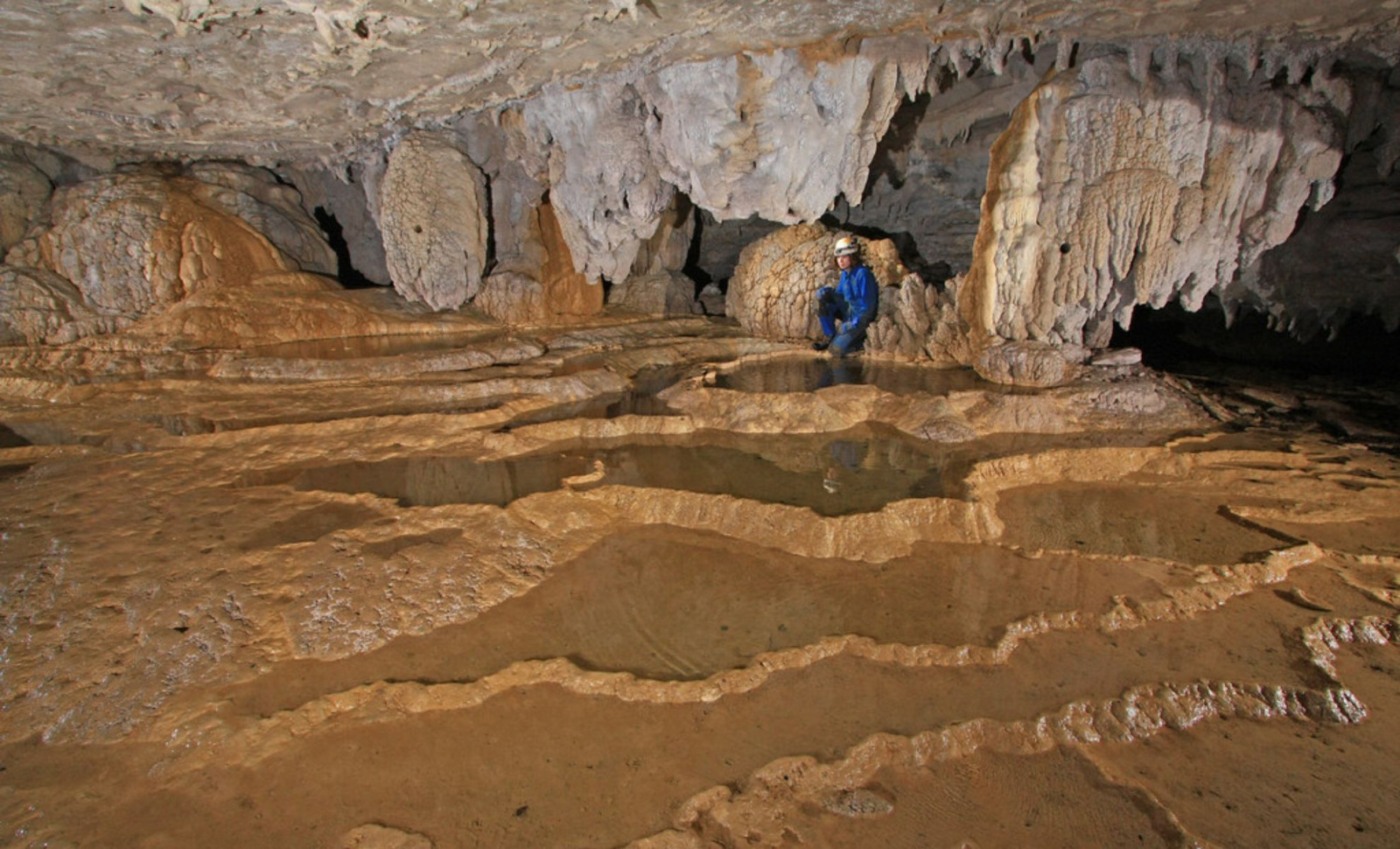
A striking 10-foot-long mud mural discovered on a cave ceiling in Alabama has been identified as the largest Indigenous cave artwork recorded in the United States. Using cutting-edge 3D scanning techniques, researchers revealed images that had remained concealed for years.
Experts dated this prominent figure and other sizable glyphs to approximately 1,000 years ago. The artwork was hidden from view due to the cave's very low ceiling, preventing earlier full observation.
Known as the “19th unnamed cave”, this location is famed for its rich collection of Native American cave paintings. Scholars stress the cultural significance of these sites, highlighting their role beyond simple shelter as sacred places central to Southeast Indigenous spirituality.

A Colossal Rattlesnake Redefines Regional History
The standout image is a 10-foot (3-meter) rattlesnake marked with a diamond pattern characteristic of the diamondback rattlesnake (Crotalus atrox). Published in the Antiquity journal, researchers convey the rattlesnake’s sacred role in Indigenous cultures here.
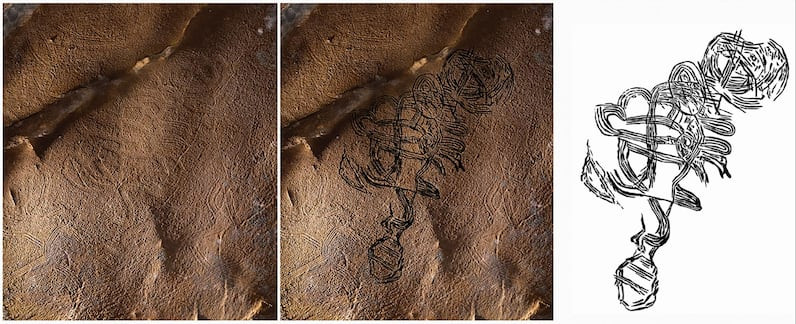
This discovery overturns earlier assumptions. According to Jan Simek, a University of Tennessee professor, reported by Science, no such large-scale figures had previously been identified in southeastern caves.
“These are special because until now, we have had no large figures from this area. And so that changes our perspective on what might be in these caves.” he said, “It brings the cave art of the southeast into the discussion of other monumental images that we see in different parts of North America.”
3D Imaging Exposes Hidden Masterpieces
Researchers applied photogrammetry, assembling numerous photos into an interactive 3D model to access the hard-to-see artwork.
“This methodology allows us to create a virtual model of the space that we can manipulate,” explained Simek.
The cave’s tight quarters had obstructed an unobstructed view of the images on site. The digital rendering unveiled five large glyphs previously unseen, illustrating how new technology is revolutionizing field archaeology.
“You end up with a huge data cloud of exactly where everything is in 3D space on the ceiling, and from that we can shine lights on it virtually and begin to identify figures that are otherwise invisible,” ancient art photographer and founder of the Ancient Art Archive, Stephen Alvarez.
Cave Linked to Underworld Beliefs
Stretching over 3 miles (5 kilometers), the cave was initially documented in 1998. Earlier studies in Southeastern Archaeology described a vast chamber filled with much of the artwork.
Indigenous belief systems in the Southeast associated caves with the underworld, while earthen mounds represented the upper world. This context lends insight into the underground imagery’s likely spiritual or ritualistic significance. Simek remarked that these works;
“brings the cave art of the southeast into the discussion of other monumental images that we see in different parts of North America,” revealing a broader and more complex artistic heritage than previously recognized.
- Categories:
- Science





0 comments
Sign in to Comment