
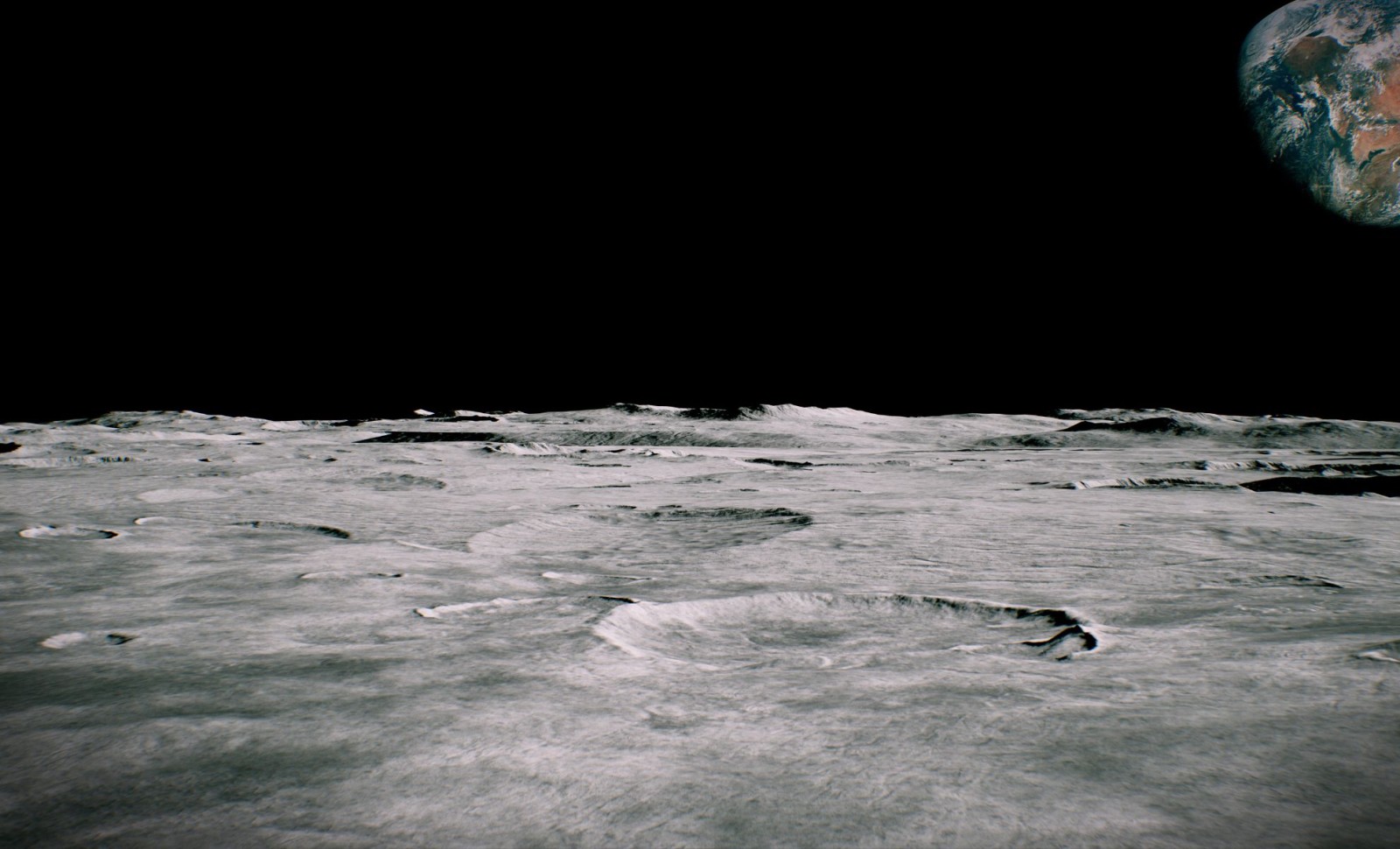
A substantial granite formation located below the Compton and Belkovich craters on the Moon has been continuously releasing heat for billions of years. This warmth does not stem from any current volcanic eruption but originates from the legacy of ancient volcanism. Data gathered by lunar orbiters revealed a thermal anomaly indicative of an internal heat source, likely generated by radioactive decay within granite-rich rocks. Published in Nature, this discovery proves the Moon’s interior remains thermally active even long after its volcanic activity ended.
Unveiling Granite on the Moon: A Rare Geological Find
Unlike Earth, where granite commonly forms beneath active volcanoes, it is seldom identified on other celestial bodies. The identification of granite on the Moon represents a significant and rare milestone. According to Dr. Matt Siegler, co-lead author from the Planetary Science Institute, the persistent heat emission beneath the craters arises from radioactive decay within these granite deposits.
While Earth's granite is shaped by ongoing tectonic forces, lunar granite likely crystallized in a very different manner, solidifying millions of years ago.

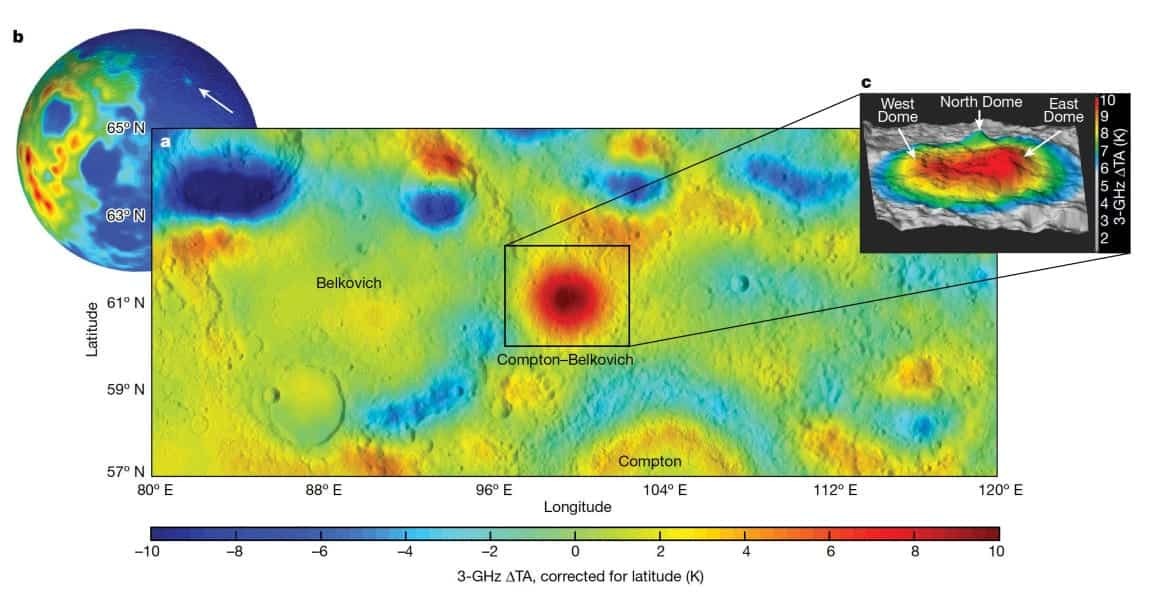
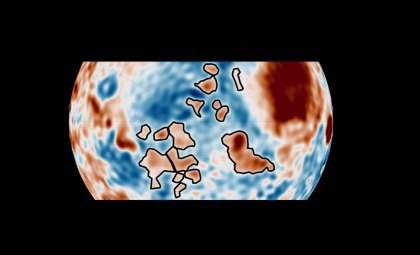
“Using an instrument looking at microwave wavelengths – longer than infrared – sent to the Moon on both the Chinese Chang’E 1 and 2 orbiters, we have been able to map temperatures below the surface. What we found was that one of these suspected volcanoes, known as Compton-Belkovich, was absolutely glowing at microwave wavelengths,” as explained by Dr. Matt Siegler in a statement from the Planetary Science Institute.
Researchers observed a temperature increase of about 10 °C (18 °F) beneath the crater area compared to its immediate surroundings. This heat signature is not evidence of active volcanism but points to a heat source deeply embedded within the lunar crust, suggesting the Moon’s volcanic history is more intricate than once assumed.
Identifying a Unique Lunar Volcanic Formation
According to the studypublished in Nature, the Compton-Belkovich area, associated with the detected thermal anomaly, was once believed to be volcanic in origin. New evidence proposes it is an ancient volcanic caldera that preserves traces of profound volcanic activity beneath the surface.
Although there are no signs of recent eruptions, the subsurface heat hints at a volcanic process distinct from those currently known. As Dr. Siegler notes, microwave wavelength data indicates the heat source lies deep underground and is likely connected to a granite body heated by radioactive decay.
“To tell the truth, we were a bit puzzled when we found it: fortunately, my wife, Dr. Rita Economos, is the geochemist in the family, so with her guidance, we were able to piece together the probable geologic cause of the heat anomaly.”
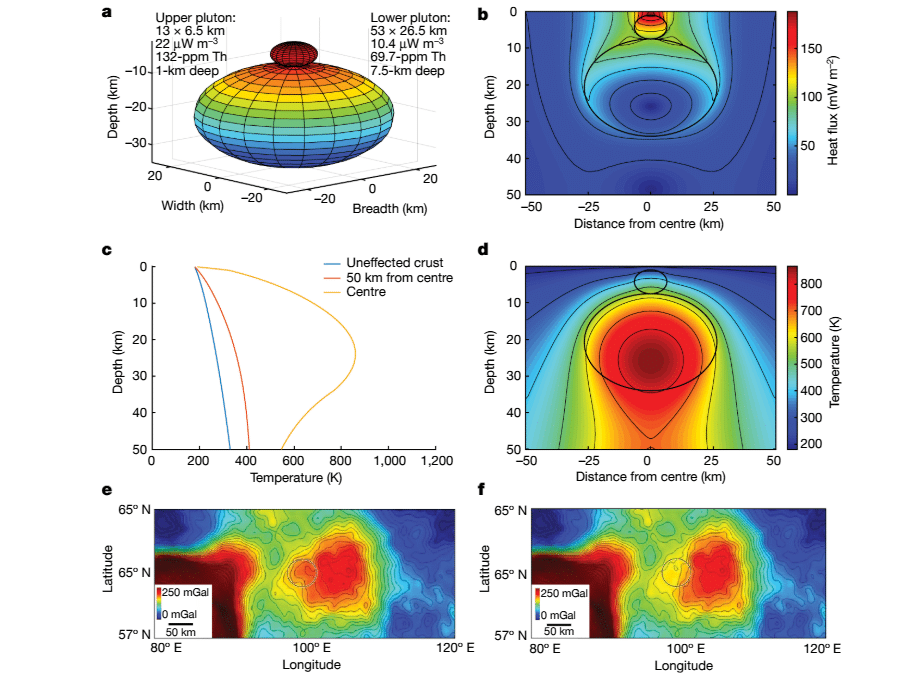
Covering an area approximately 50 kilometers wide, this region exhibits evidence of a batholith—a large mass of igneous rock formed when magma intrudes but never emerges to the surface, as explained by Dr. Economos.
Finding similar granite formations elsewhere on the Moon could imply that ancient volcanic episodes were more extensive than scientists have believed so far.
- Categories:
- Astronomy







0 comments
Sign in to Comment