
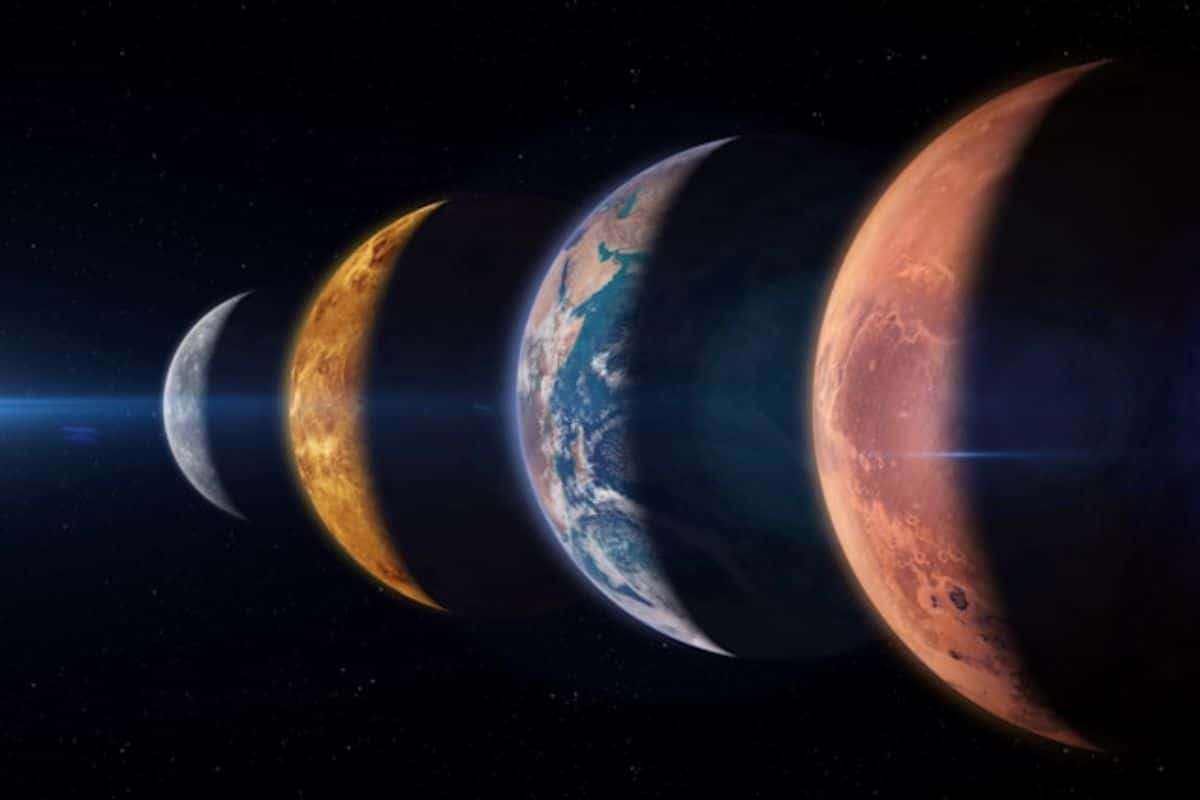
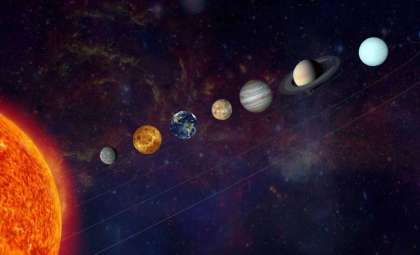
Tonight, Minnesota residents will be treated to an extraordinary celestial spectacle. Following sunset on February 24, 2025, observers can witness a rare alignment of seven planets in the evening sky, showcasing Venus, Jupiter, Mars, Mercury, Saturn, Neptune, and Uranus together.
This remarkable convergence offers a unique chance to see a planetary parade seldom seen, as typically only a few planets align simultaneously.
Seven-Planet Lineup Graces the Night Sky
Planetary parades occur when multiple planets appear clustered on one side of the sun, visible from Earth's vantage point.

These events usually include between two and five planets, but tonight's occurrence—a seven-planet lineup—won't repeat until October 2028.
The planets create a striking formation, likened to a cosmic procession. Among them, Venus, Jupiter, Mars, Mercury, and Saturn can be seen unaided, presenting a dazzling display.
However, to catch a glimpse of the more distant Neptune and Uranus, stargazers will want to use binoculars or a telescope.
Ideal Viewing Times for the Celestial Event
For the best viewing, head outside shortly after sunset, around 6:30 p.m. CST on February 24. The parade will stretch across the west-southwest horizon, with Mercury and Saturn positioned lower near the horizon, while Neptune and Uranus appear farther out in the sky.
“Look toward the southern sky on a clear evening,” advised Sally Brummel, the planetarium manager at the Bell Museum. Due to the interference of urban light pollution, finding an open, unobstructed horizon is crucial to fully appreciate the sight.
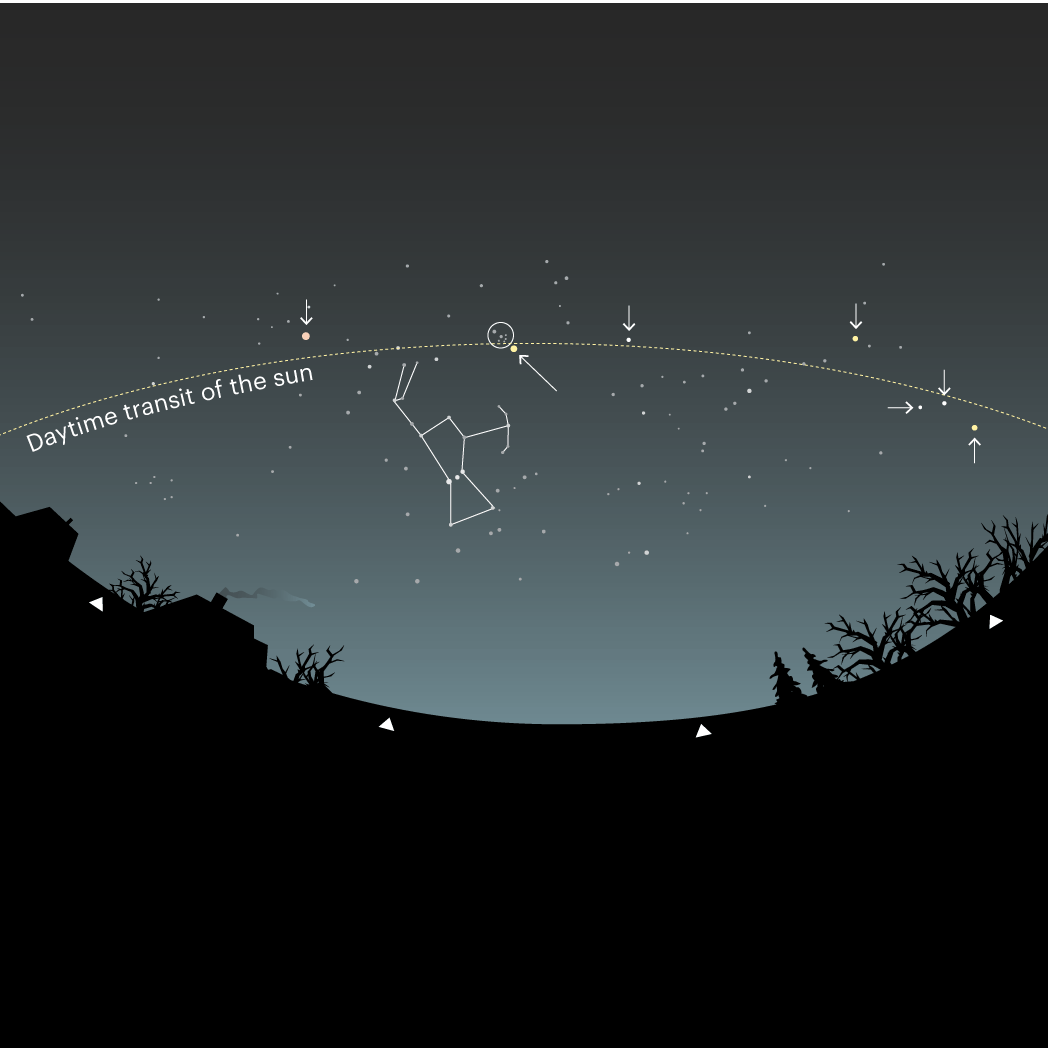
Mercury’s Presence Adds to the Uniqueness
Mercury's role in this event is especially significant. Because it orbits close to the sun, Mercury is often challenging to spot and has been absent from recent planetary parades.
Astro Bob King, an avid star watcher from Duluth, noted, “Mercury has frequently been the elusive participant at these events,” making its appearance tonight even more remarkable.
Tonight offers a rare window to observe Mercury alongside other visible worlds, enhancing the completeness and grandeur of this cosmic gathering.
What Observers Can Expect
The spectacle will be as captivating as it is informative. The brightest planets—Venus, Jupiter, and Mars—will shine vividly without needing optical aids, illuminating the dusk sky beautifully.
Saturn will also be visible unaided, though slightly dimmer. In contrast, Neptune and Uranus will require binoculars or a small telescope to be clearly seen.
- Categories:
- Astronomy






0 comments
Sign in to Comment