
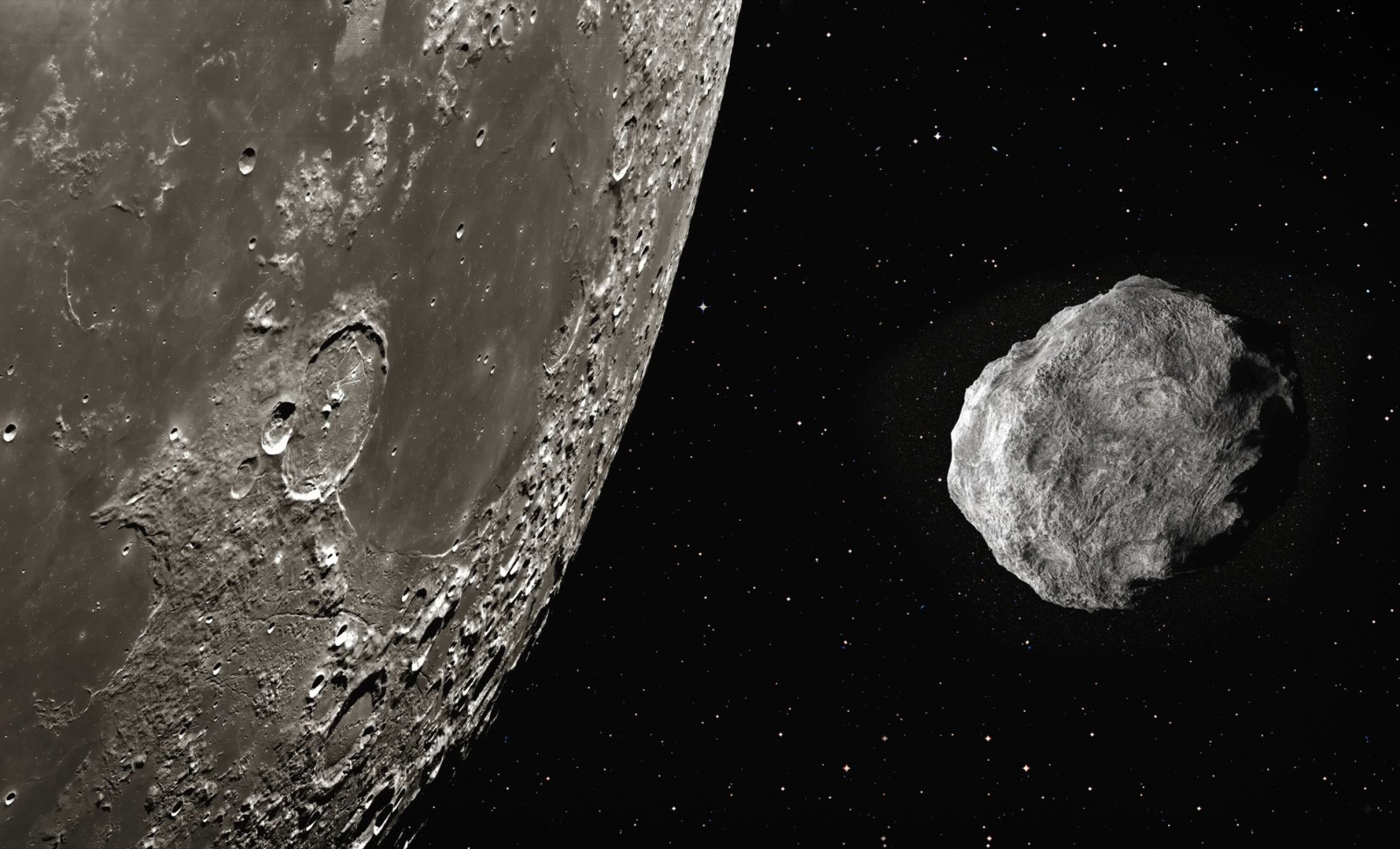
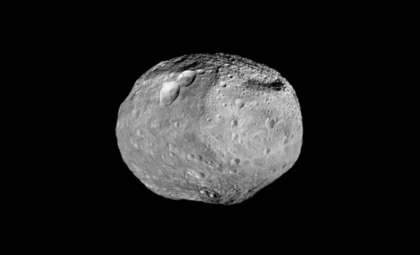
An asteroid spanning approximately 60 meters in diameter, designated 2024 YR4, is predicted to potentially impact the Moon by December 2032, presenting scientists with a rare occasion to witness a substantial lunar collision. Although the chance of this event is estimated at just 4.3%, it has sparked significant interest among planetary researchers eager to study the Moon’s geological response to such an impact. Importantly, Earth remains safe from harm, but the resulting debris might endanger orbiting satellites.
Scientific Breakthrough Awaiting Observation
While lunar impacts occur frequently, a strike of this magnitude has never been recorded with modern observation technologies. The 2024 YR4 asteroid, moving at velocities up to 14 kilometers per second, could unleash an explosive force comparable to 6.5 million tons of TNT. Should it collide with the lunar surface, it is expected to form a crater around one kilometer wide and several hundred meters deep.
Asteroid impacts are key processes shaping the Moon and other celestial bodies, yet large impacts are rarely detected live. Most moon hits are minor and often go unnoticed, while visible ones tend to be less dramatic. NASA’s Center for Near-Earth Object Studies notes that an impact by 2024 YR4 would be strikingly evident, creating a bright flash followed by a glow observable from telescopes on Earth.

Researchers can leverage this event to test and refine models related to crater formation and the geological consequences of impacts. A recent arXiv publication led by Yifan He at Tsinghua University highlights the chance to analyze heat distribution caused by the collision and gain insights into the lunar subsurface composition.
Unprecedented Moonquake Detection Possible
This impact might generate seismic disturbances intense enough to register as a notable moonquake. Experts estimate the seismic waves could resemble a magnitude 5 earthquake on Earth, considerably exceeding the strength of any moonquake recorded during the Apollo missions.
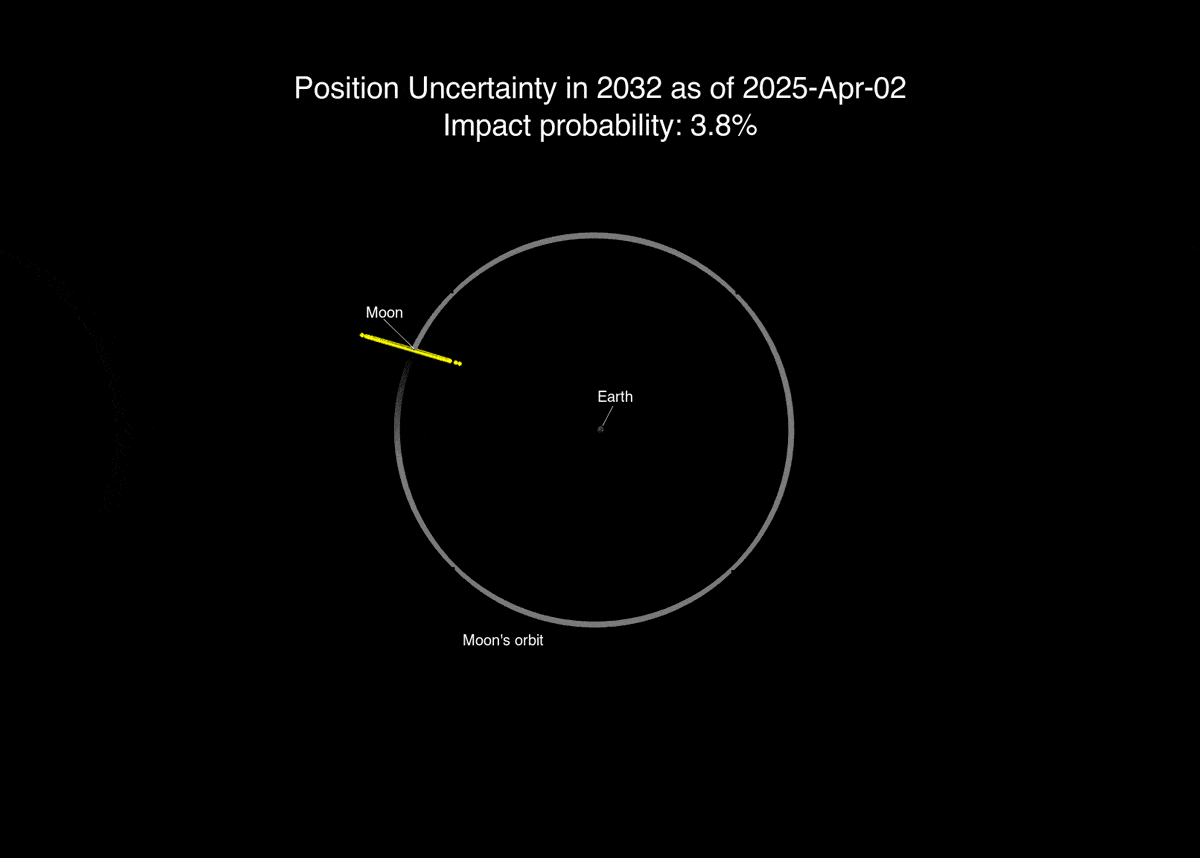
Studying such seismic activity would provide priceless data about the Moon’s interior, aiding scientists to better understand its internal structure through newly acquired subsurface information.
Potential Threat to Satellite Operations from Lunar Debris
Debris resulting from the impact might enter Earth’s orbit and pose risks to satellites and spacecraft. Paul Wiegert, an astronomer at the University of Western Ontario, noted the following:
“The impact would excavate a crater about 0.62 miles (1 kilometer across),” he said. “Most of this material would fall back to the moon, but a small fraction, around 0.02% to 0.2%, could be ejected at high enough speeds to escape the moon.”
These lunar fragments could collide with satellites at speeds near 10 kilometers per second, potentially causing severe damage or destruction to these orbiting assets.
“The debris would be travelling a bit slower than typical meteors, at around 22,400 miles per hour (10 km/s) rather than 44,700 to 67,100 mph (20 to 30 km/s), but this is still faster than most bullets.”
The possibility of chain-reaction collisions, known as Kessler Syndrome, remains a concern because it could disrupt critical satellite services, impacting communication and navigation systems globally.
Intervention or Observation: What’s the Choice?
As experts continue tracking 2024 YR4’s path, deliberations arise about whether to attempt diverting the asteroid or allow the collision to proceed naturally. NASA has demonstrated asteroid deflection capabilities through its 2022 DART mission, which successfully altered an asteroid’s trajectory.
“This result is one important step toward understanding the full effect of DART’s impact with its target asteroid” remarked Lori Glaze, the head of NASA’s Planetary Science Division at NASA Headquarters in Washington. “As new data come in each day, astronomers will be able to better assess whether, and how, a mission like DART could be used in the future to help protect Earth from a collision with an asteroid if we ever discover one headed our way.”
Deciding to intervene could save satellites and future lunar operations but might forfeit an irreplaceable chance to observe a dramatic cosmic event firsthand.
- Categories:
- Space







0 comments
Sign in to Comment