
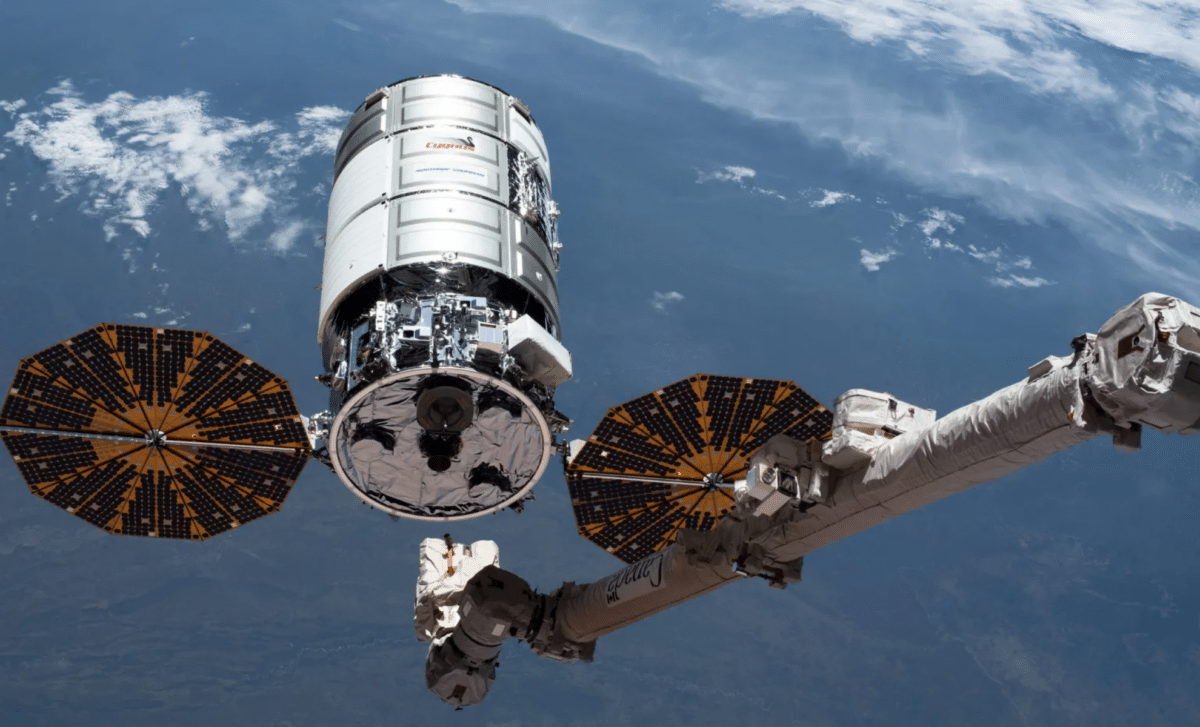
The Expedition 74 team aboard the International Space Station (ISS) is entering a key phase to welcome the Cygnus cargo vehicle, which will deliver cutting-edge scientific instruments designed to transform research in space. This upcoming delivery promises advancements in areas like quantum computing and astronaut health, marking a major leap forward for space-based science. The astronauts are now deeply immersed in a week of detailed preparations to guarantee the mission’s smooth execution.
Intensive Preparations Underway for Cygnus XL Arrival
NASA’s Expedition 74 astronauts are focused on getting ready for the Cygnus XL spacecraft's docking with the ISS. During the week, the crew will conduct critical operations required to capture and secure Cygnus XL with the Canadarm2 robotic arm. The spacecraft, carrying vital research gear, will be attached to the Earth-facing port of the Unity module, enabling unloading and experimental setup.
This mission plays a crucial role in advancing U.S. space initiatives and global scientific endeavors. According to NASA, the cargo includes sophisticated instruments that will support experiments in quantum computing, stem cell studies, and astronaut health, potentially revolutionizing multiple scientific disciplines. The crew’s preparations prioritize the careful handling and integration of these valuable assets.

Focused Training Sessions for Successful Mission Execution
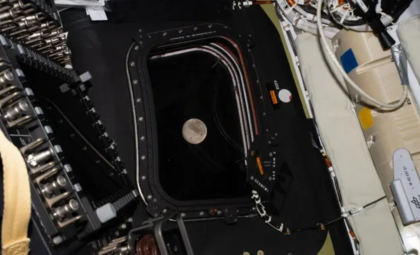
Early in the week, NASA flight engineers Chris Williams and Jack Hathaway practiced handling the Canadarm2 robotic arm from the station’s cupola module, which provides panoramic views for precise operations. Their training simulations involved capturing and positioning the Cygnus XL on the Unity module, skills essential for the spacecraft’s secure berth. After capture, ground teams will control the robotic arm remotely to finalize installation.
In addition to robotic operations, the astronauts performed critical maintenance on spacesuits and scientific hardware. Hathaway and astronaut Jessica Meir conducted cleaning and flushed the cooling loops in spacesuits to maintain optimal function, while Williams replaced lithium-ion batteries that power the suits, ensuring readiness for any upcoming spacewalks.
Expanding Scientific Horizons with New Experiments
The Cygnus delivery will enable the ISS crew to conduct innovative experiments exploring microgravity effects on quantum computing technologies, potentially leading to breakthroughs in computational performance and energy efficiency.
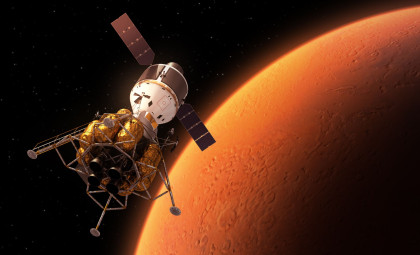
Moreover, the cargo includes equipment to test stem cell treatments, advancing regenerative medicine research with applications for astronaut health and possibly treatments on Earth. Understanding biological responses to spaceflight conditions is vital for long-duration missions, such as human trips to Mars.
A Global Effort: NASA and Roscosmos Cooperation
This mission underscores the value of international teamwork aboard the ISS. While NASA leads the Cygnus preparations, Russian cosmonauts Sergey Kud-Sverchkov and Sergei Mikaev contribute by conducting health monitoring and communication system tests critical to station operations.
They utilize cutting-edge systems to record blood pressure in microgravity, contributing to cardiovascular research that informs long-term spaceflight safety and may also benefit medical knowledge on Earth.
Innovative Tech Tests and Communication Enhancements
Flight engineer Sophie Adenot from the European Space Agency (ESA) is engaged with the TUSK technology demonstration, a compact robotic arm designed for sub-millimeter-scale operations in microgravity. This experiment aims to advance robotic precision for delicate tasks in future missions.
The crew is also upgrading emergency communication systems to maintain uninterrupted links with ground controllers, an essential step for current mission success and vital for future deep-space exploration such as Mars expeditions.
- Categories:
- Nasa





0 comments
Sign in to Comment