
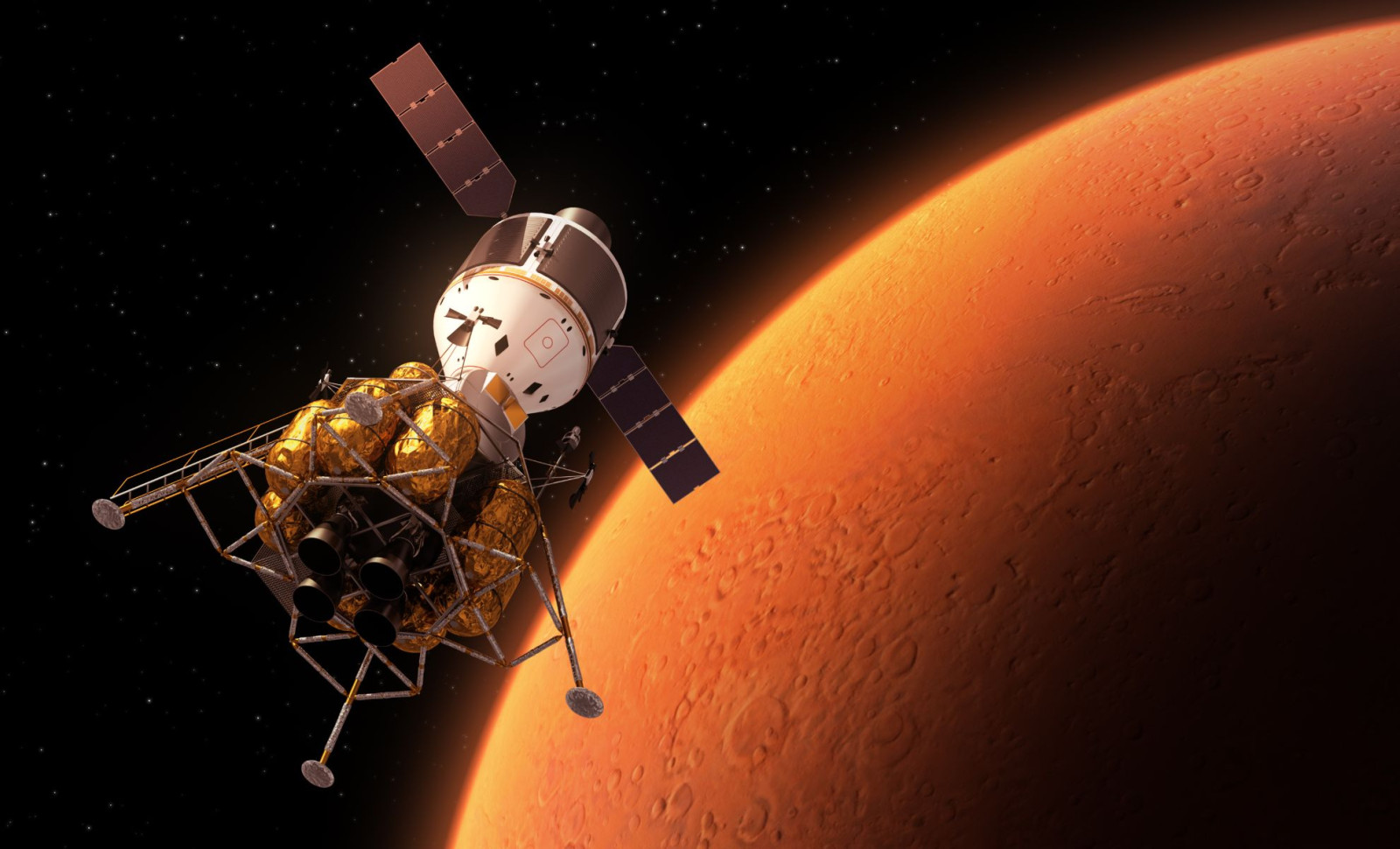
NASA has proposed a new Mars orbiter focused primarily on enhancing telecommunications, prompting concerns about the diminished role of scientific research on what might be the agency’s sole significant Mars mission for this decade.
Now termed the Mars telecommunications network, the spacecraft is advancing through a fast-tracked procurement phase driven by congressional mandates and strict launch timelines. A recently released mission objectives report indicates that while the inclusion of science instruments is permitted, they are not the primary focus.
A Policy-Driven Mission with Tight Deadlines
This effort originates from the 2025 “One Big Beautiful Bill,” championed by Senator Ted Cruz, which allocated $700 million for a Mars orbiter and mandated NASA finalize funding before the close of fiscal year 2026. These directives have condensed the timeline and heightened competition.

Formerly dubbed the Mars telecommunications orbiter, the mission has been expanded into a comprehensive communications network slated to support Mars activities through 2035. Its primary goals include relaying signals between orbiters, surface stations, and Earth. Additionally, the craft will provide Doppler, range, and time transfer functions to facilitate navigation, assist ongoing Mars assets, and support upcoming entry, descent, and landing demonstrations.
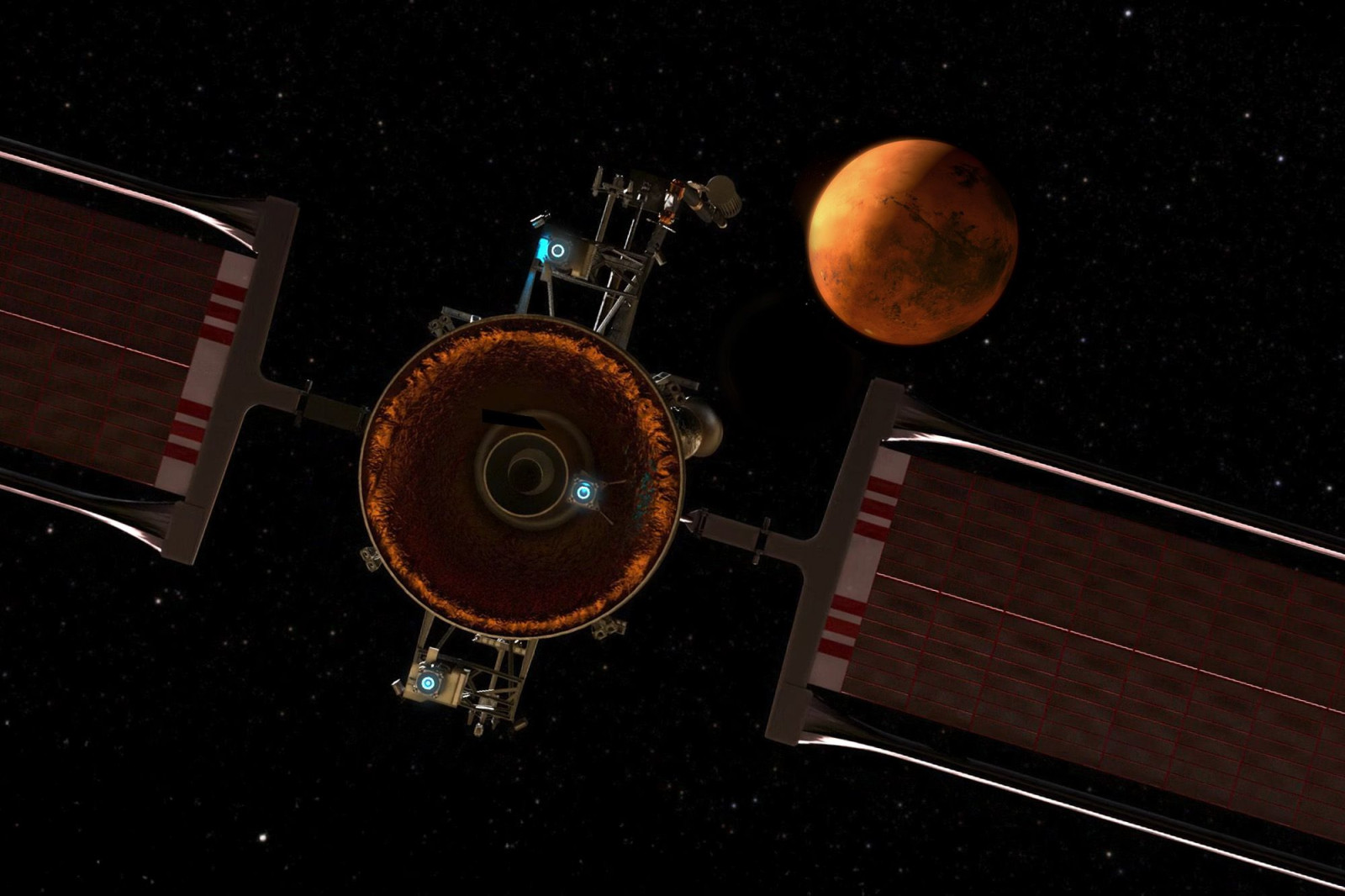
Science Instruments Allowed but Not Central
The last stipulation in the 24-page requirements document states that an SMD payload is not excluded, with schedule risk considered paramount. This nod to NASA’s Science Mission Directorate confirms the possibility of including scientific instruments, though they remain optional and must not impact the launch timetable.
Planning for launch no sooner than late 2028, this orbiter might be NASA’s only large-scale mission to the Red Planet in this governmental term.
Insider reports cited by Ars Technica reveal that instruments collectively costing around $200 million are under consideration. Proposed payloads include a high-resolution camera, a space weather monitoring suite, a magnetometer to study Mars’ residual magnetic fields, and a spectrometer for detecting subsurface water ice. However, the solicitation’s format suggests that additional scientific equipment may offer no competitive advantage and might even hinder bids if they raise costs or threaten schedules.
Intense Industry Competition
The contest to develop the Mars telecommunications network involves some of NASA’s top industry collaborators. Rocket Lab and Blue Origin have each highlighted their technical strategies. SpaceX is anticipated to leverage its Starship vehicle as part of the Mars framework. Veteran contractors like Lockheed Martin contribute longstanding expertise in Mars mission development and operations.
Missing the 2028 launch window risks a delay of more than two years due to planetary positioning. Additionally, any contract disputes post-award could cause further setbacks jeopardizing timely deployment.
- Categories:
- Nasa









0 comments
Sign in to Comment