
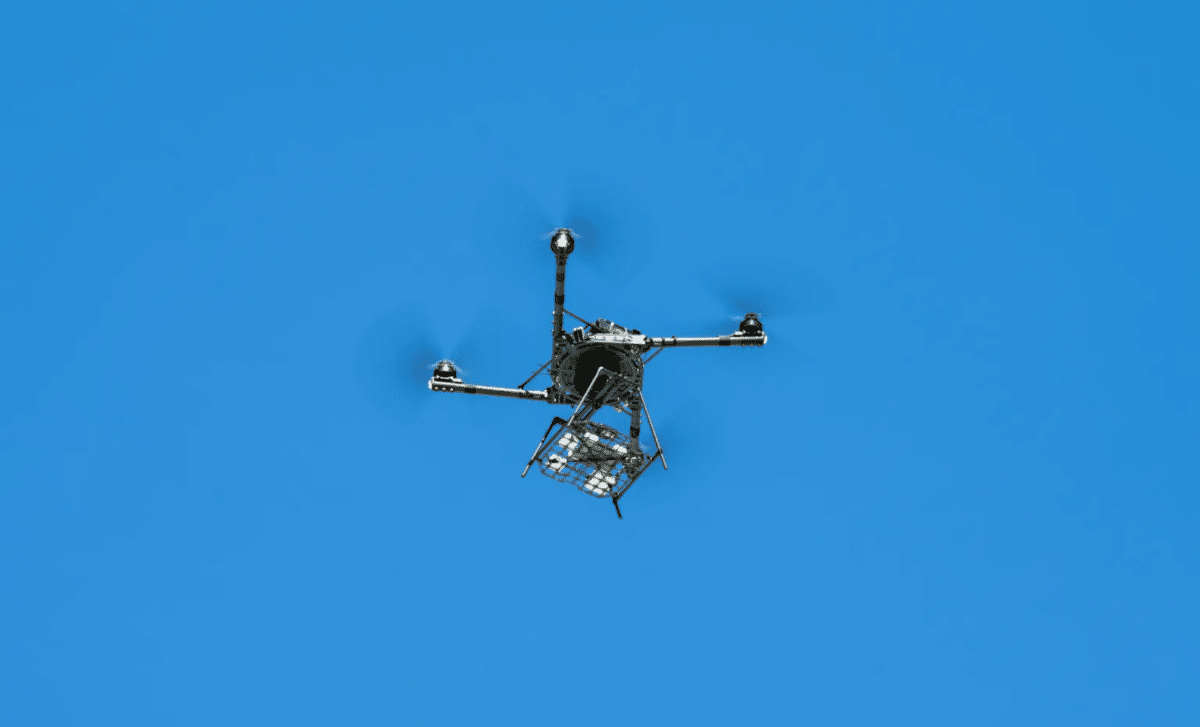
NASA is pioneering the use of blockchain to bolster cybersecurity in aviation, aiming to safeguard flight data from cyberattacks and interference. At NASA’s Ames Research Center, a trial involving drones was conducted to validate a decentralized data platform that secures communication between aircraft and ground stations. This project, under the agency’s Air Traffic Management and Safety initiative, has the potential to revolutionize the foundation of air traffic operations.
Blockchain’s Role in Strengthening Flight Safety
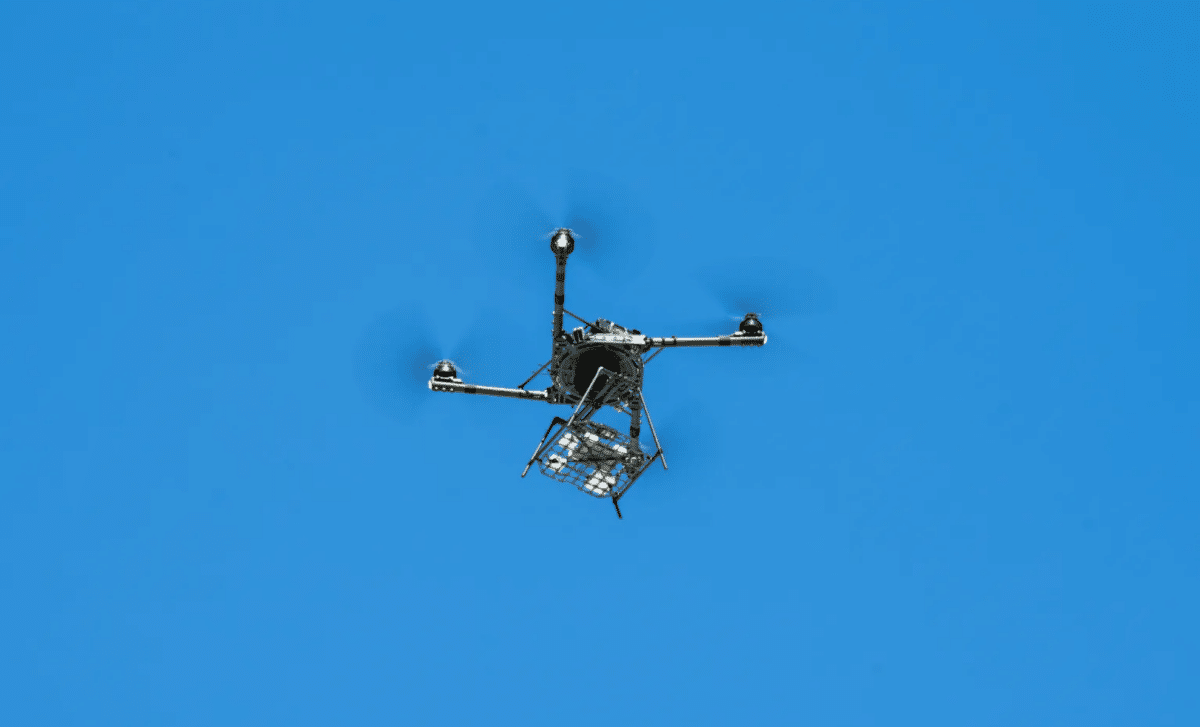
The experiment featured a modified Alta-X drone operating in real-world conditions at Ames Research Center, located in California’s Silicon Valley. This drone carried a specialized payload including a GPS module, radio communication gear, and a blockchain-enabled computer system. This configuration allowed scientists to examine the functionality of a blockchain system under authentic operational scenarios. Unlike centralized databases, blockchain uses a distributed ledger that shares and verifies data across multiple nodes, ensuring flight information remains authentic, unalterable, and transparent, even against cyber threats.
The design facilitates secure, real-time handling of vital aviation data such as flight telemetry, operator credentials, and flight plans. Access is limited to authorized and verified users, preventing data tampering or unauthorized use. This capability is crucial in a time when cyber threats are increasingly advanced and air traffic control systems face constant vulnerability. The trial demonstrated that decentralized blockchain infrastructures may be essential in supporting autonomous aerial vehicles, urban air mobility, and high-altitude flights.

An Innovative Approach to Aviation Cyber Defense
Moving beyond traditional layered security models involving multiple software and hardware protections, NASA’s blockchain strategy relies on zero-trust principles. Each data exchange and transaction is recorded and authenticated, removing dependence on any single control point or vulnerability. The NASA report highlights how blockchain systems demonstrated resilience even during simulated cyberattack scenarios.
During drone operations, the team conducted penetration tests to evaluate the system’s response to genuine cyber threats. The blockchain setup successfully preserved data integrity throughout these attempts, marking progress toward scalable, secure airspace management. With increasing drone traffic, high-altitude platforms, and electric vertical takeoff and landing (eVTOL) vehicles, researchers envision this technology becoming the digital backbone for the next phase of air mobility.
Blockchain’s Potential Impact on Future Air Traffic Management
A key advantage of the blockchain experiment is its promise to streamline and secure autonomous flight operations. As the skies fill with uncrewed vehicles, from delivery drones to flying taxis, dependable communication becomes paramount. Existing centralized control systems are prone to failure or cyber intrusion, whereas blockchain’s distributed architecture stores synchronized data across multiple nodes, thwarting unauthorized changes.
NASA’s findings indicate that blockchain could facilitate secure digital identity verification, instant validation of flight permissions, and operator accountability—features critical to managing complex urban and commercial airspaces of the future. As metropolitan areas develop designated corridors for semi-autonomous aircraft, blockchain could act as a crucial safeguard, ensuring reliability, traceability, and security. The goal transcends mere data protection, aiming to establish a trust-based digital ecosystem adaptable to evolving aerial networks.
- Categories:
- Tech













0 comments
Sign in to Comment