
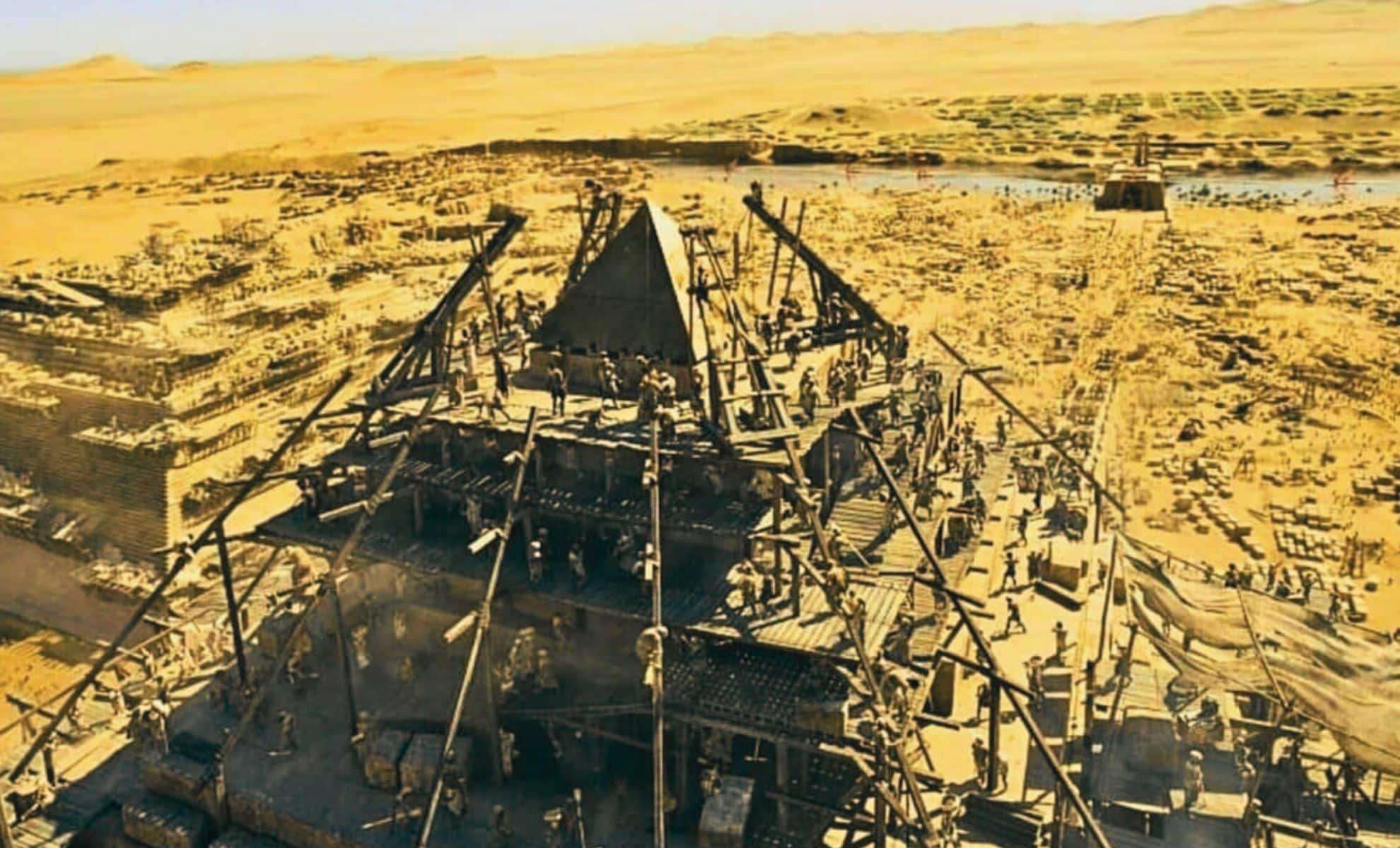
The mystery surrounding the methods used to build Egypt's iconic Great Pyramids has long fascinated historians and archaeologists, sparking varied theories ranging from extraterrestrial help to massive manual labor. However, a recent peer-reviewed investigation presents a novel and scientifically grounded theory: ancient Egyptians might have harnessed water-powered hydraulic mechanisms to move and elevate massive stone blocks.
Led by Xavier Landreau and published in PLOS ONE, this study challenges the classic viewpoint that the Step Pyramid of Djoser, regarded as Egypt’s first monumental pyramid, was erected solely through the use of ramps, rope, and human effort. Instead, the team proposes an innovative hypothesis: the pyramid’s construction incorporated primitive hydraulic lifts powered by redirected floodwaters from the Nile River.
This compelling proposal derives from detailed hydrological models, archaeological investigations, and extensive topographic mapping of the Saqqara Plateau, home to the pyramid. Despite seeming unconventional, the evidence supporting this idea is carefully substantiated.

Reevaluating Neglected Ancient Structures
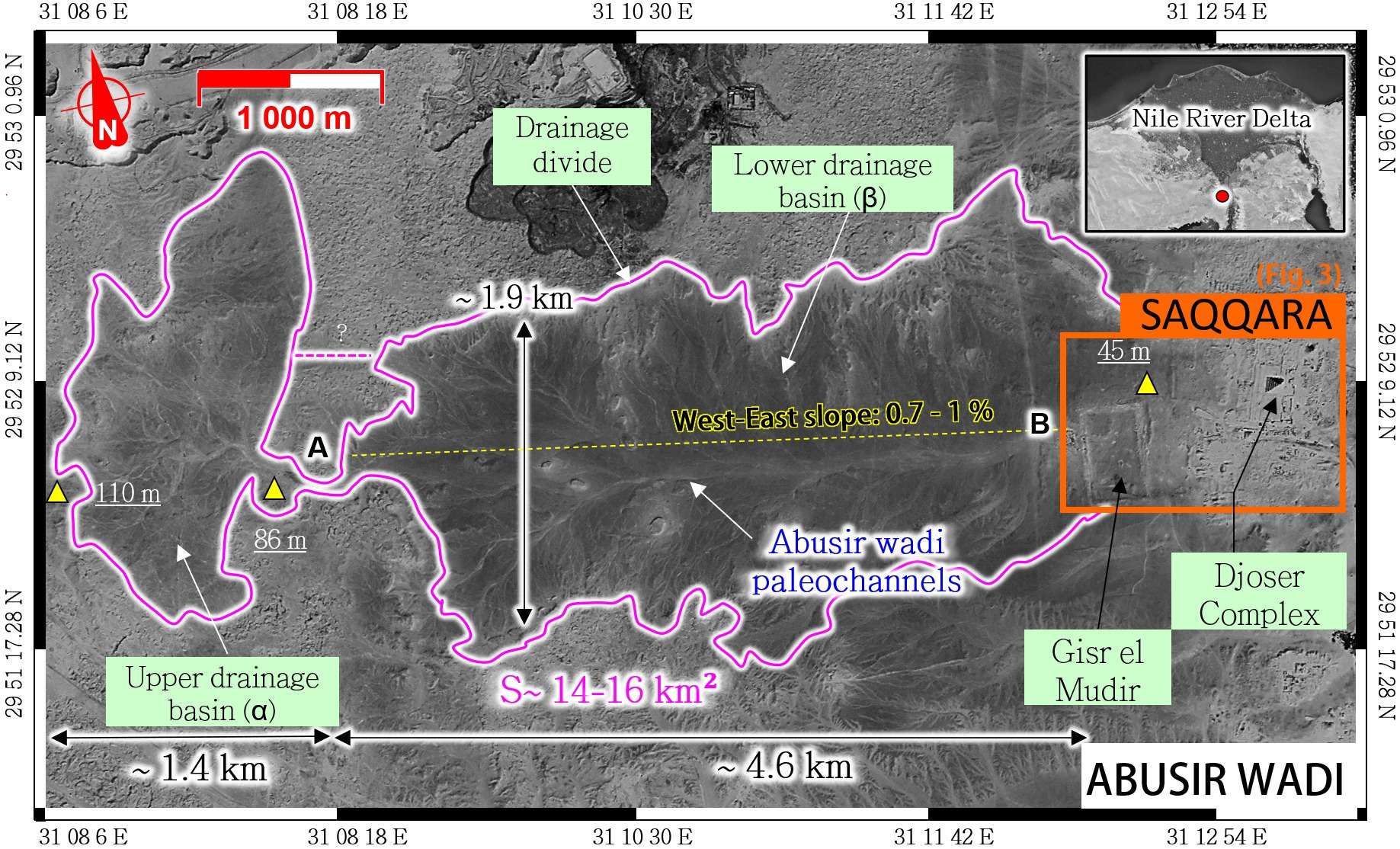
Central to this theory is a lesser-known construction: the Gisr el-Mudir, a vast stone enclosure predating the Step Pyramid. Previously dismissed as incomplete or purely ceremonial, Landreau’s research proposes it is actually Egypt’s earliest known check dam.
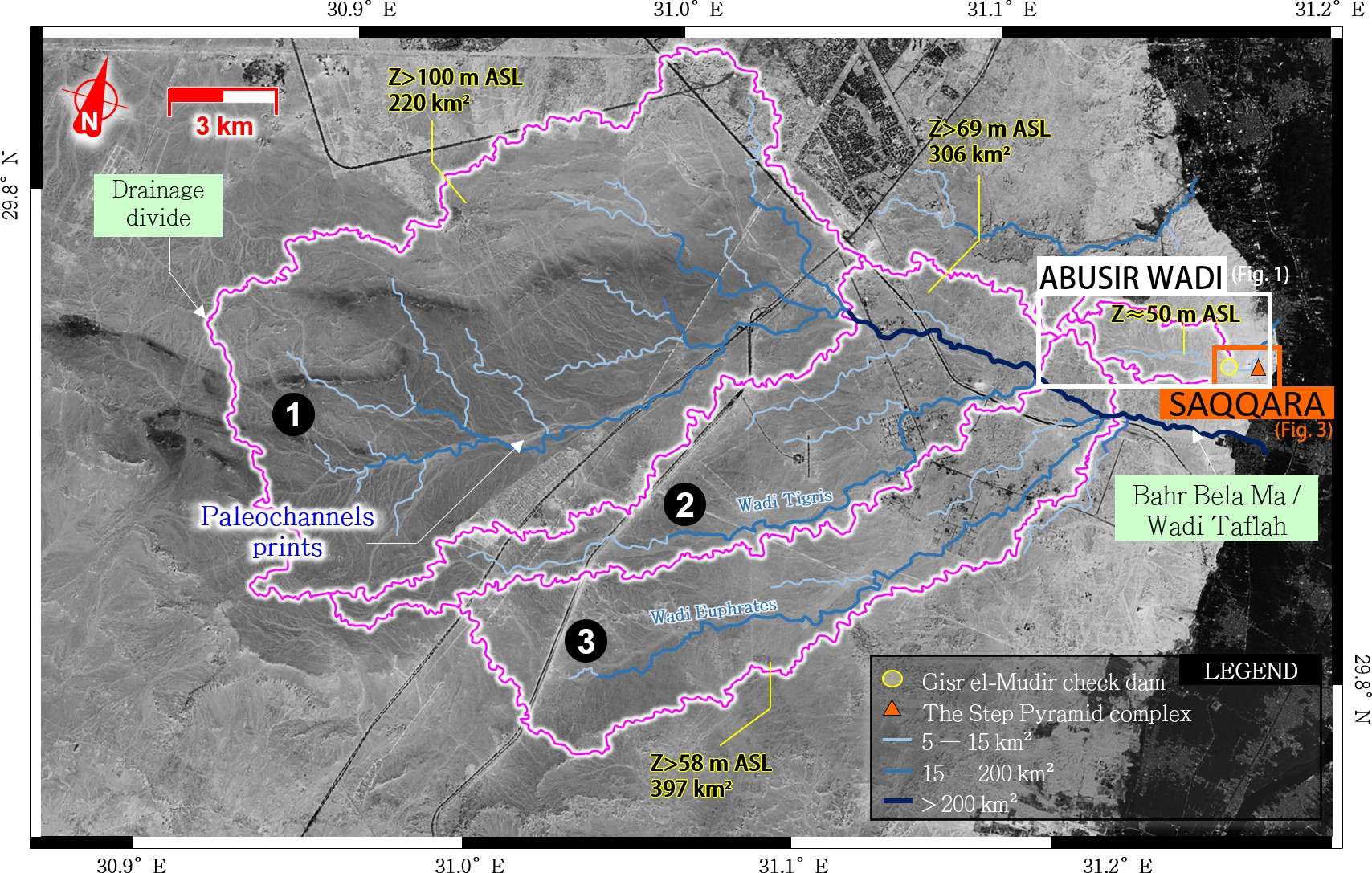
Using satellite data, digital elevation analysis, and in-field surveys, the researchers discovered how the Gisr el-Mudir likely intercepted flash floods originating from desert wadis west of Saqqara. These sudden torrents, especially prevalent during Egypt’s wetter climatic periods over 4,000 years ago, would have filled the dam’s basin, feeding an intricate system of canals and water purification basins.
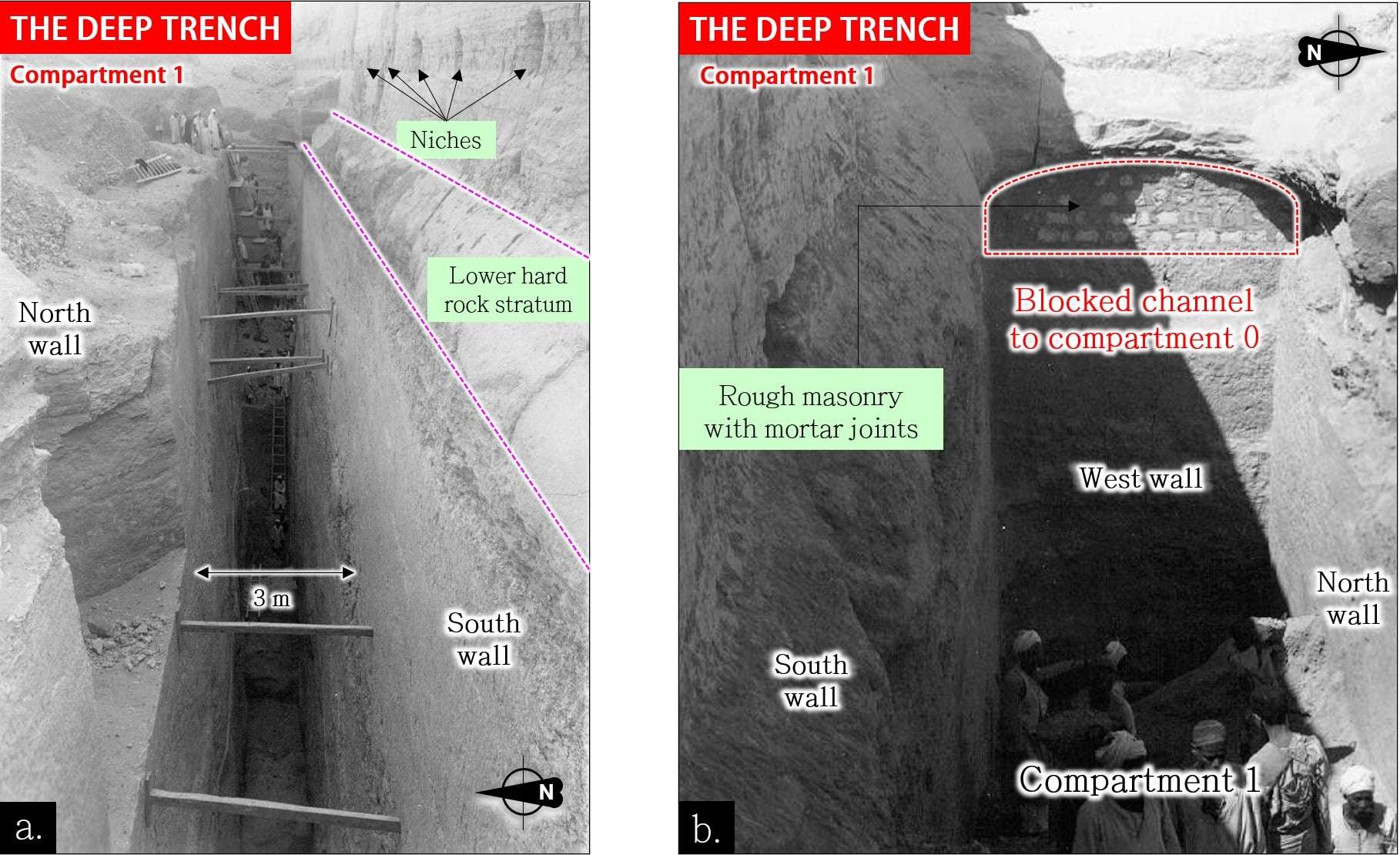
Downstream from this dam lies what has traditionally been called the “Dry Moat,” a large trench encircling the pyramid. However, in the southern portion, Landreau’s team uncovered a series of underground chambers carved into bedrock that bear a striking resemblance to sediment retention and water filtration tanks.
Significantly, these chambers feature design elements aligned with hydrological engineering: sloping channels, controlling walls to manage water flow, and regulated outlet points. Collectively, these indicate an intentional water-control infrastructure rather than a ceremonial feature.
Could This Represent a ‘Volcano-Style’ Building Technique?
How might this elaborate water system have contributed to pyramid assembly?
Within the Djoser complex, researchers identified two vertical shafts approximately 30 meters deep, linked by a 200-meter corridor. These shafts, located beneath and to the south of the pyramid, possess granite plug mechanisms and surrounding engineering features resembling pressure and buoyancy regulation chambers.
The team hypothesizes these shafts functioned as hydraulic lift shafts that were filled with clear water from the trench systems, allowing massive stone blocks to be transported upward on buoyant platforms. This innovative mechanism significantly reduced reliance on external ramps or cranes. Dubbed a “volcano-style” construction method, the approach might explain the Step Pyramid’s distinctive architectural design—built outward from an interior core.
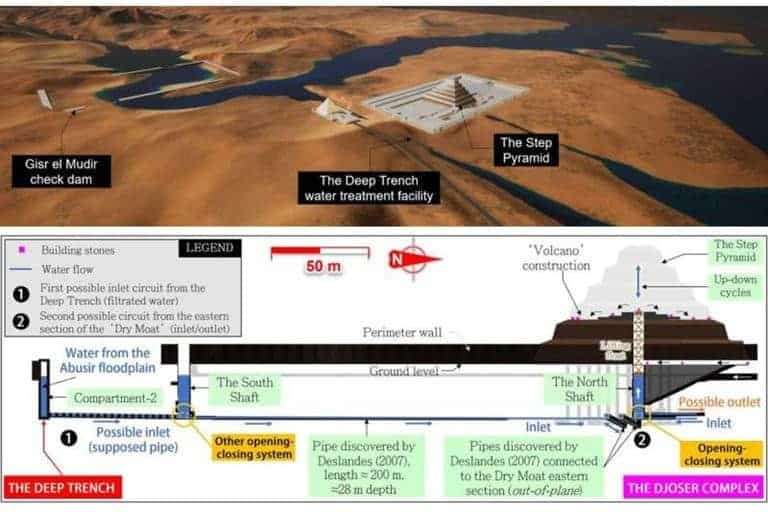
The study calculates that the northern shaft alone could enable lifts capable of supporting blocks weighing around 300 kg, of which the pyramid comprises millions. If verified, this system would mark the earliest recorded use of hydraulic engineering in construction, predating Roman technologies by millennia.
Engineering Behind the Monumental Design
Despite the bold claim, skepticism persists, as pyramid construction theories often spark intense debate. Yet the authors note that numerous internal features of the pyramid—including polished stonework, refined mortar joints, slender ducts, and smooth tunnels—do not align with purely symbolic or funerary functions. Instead, these traits are characteristic of operational hydraulic engineering found in ancient waterworks from Mesopotamia and South Asia.
Traditionally, Egyptologists have favored symbolic or mortuary explanations for such structures. This new study urges a broader perspective that recognizes a technical and functional understanding of ancient Egyptian architecture. The absence of typical funerary evidence—like hieroglyphics or tomb artifacts—in the shafts behind the pyramid adds support to this reinterpretation.
“This does not aim to disprove earlier ideas,” Landreau stated in a recent Le Monde des Religions interview. “Rather, it adds a complementary dimension by linking archaeological findings with hydrology, geology, and engineering principles.”








0 comments
Sign in to Comment