
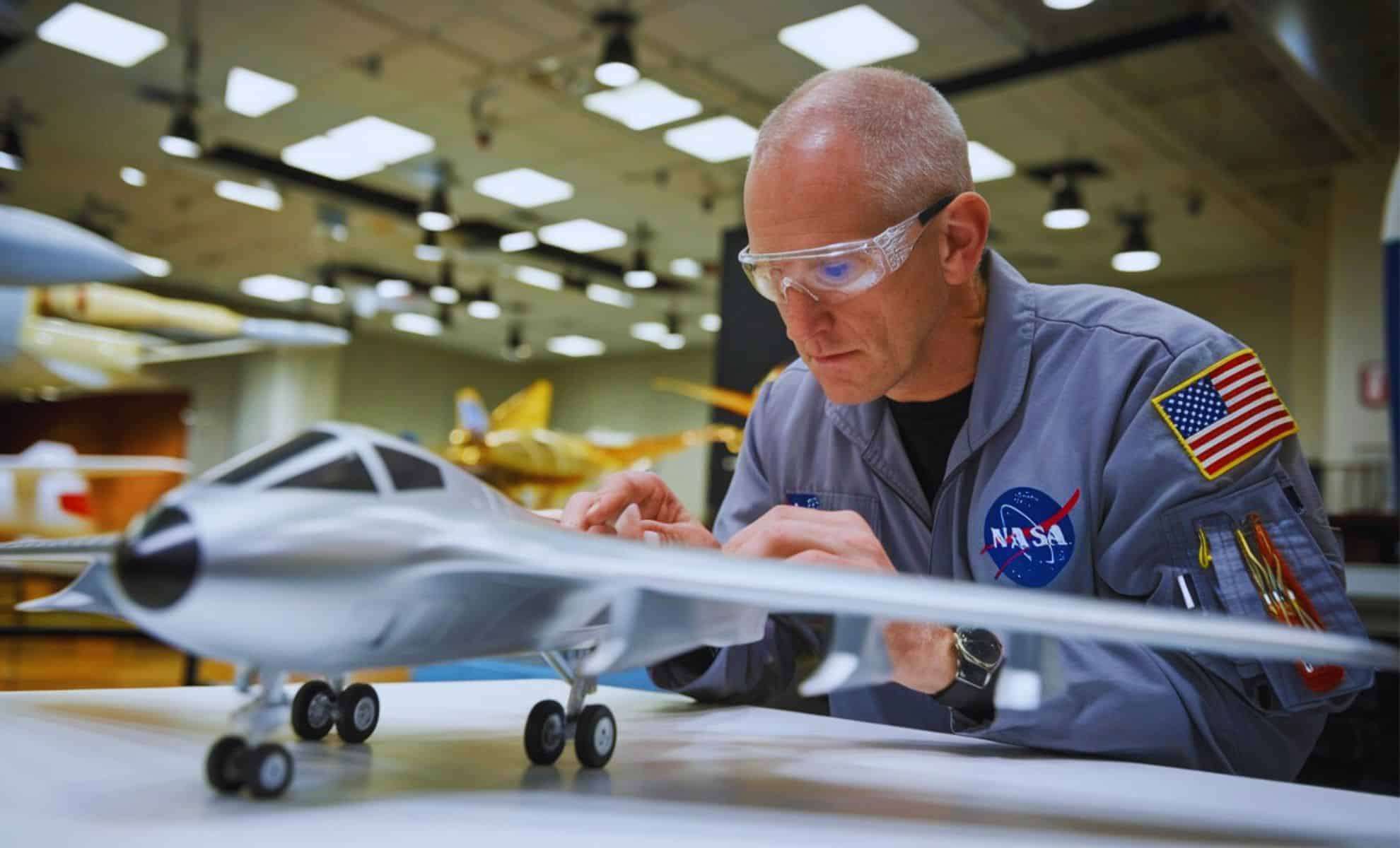
NASA is intensifying its commitment to transform commercial aviation by pursuing innovative technologies that enhance efficiency while minimizing environmental footprints. Through its Advanced Aircraft Concepts for Environmental Sustainability (AACES) 2050 initiative, the agency has launched five distinct design studies to pave the way for the future of sustainable air travel.
Funding 5 Groundbreaking Designs with $11.5 Million
NASA has allocated $11.5 million to support leading-edge proposals from five prominent entities: Aurora Flight Sciences (a Boeing subsidiary), Electra, the Georgia Institute of Technology, JetZero, and Pratt & Whitney. Each project takes a different angle towards vital challenges in aviation, including innovative propulsion and alternative fuel applications.
Bob Pearce, associate administrator for NASA’s Aeronautics Research Mission Directorate, emphasized the program’s forward-looking goals:

“Through initiatives like AACES, NASA is positioned to harness a broad set of perspectives about how to further increase aircraft efficiency, reduce aviation’s environmental impact, and enhance U.S. technological competitiveness in the 2040s, 2050s, and beyond.”
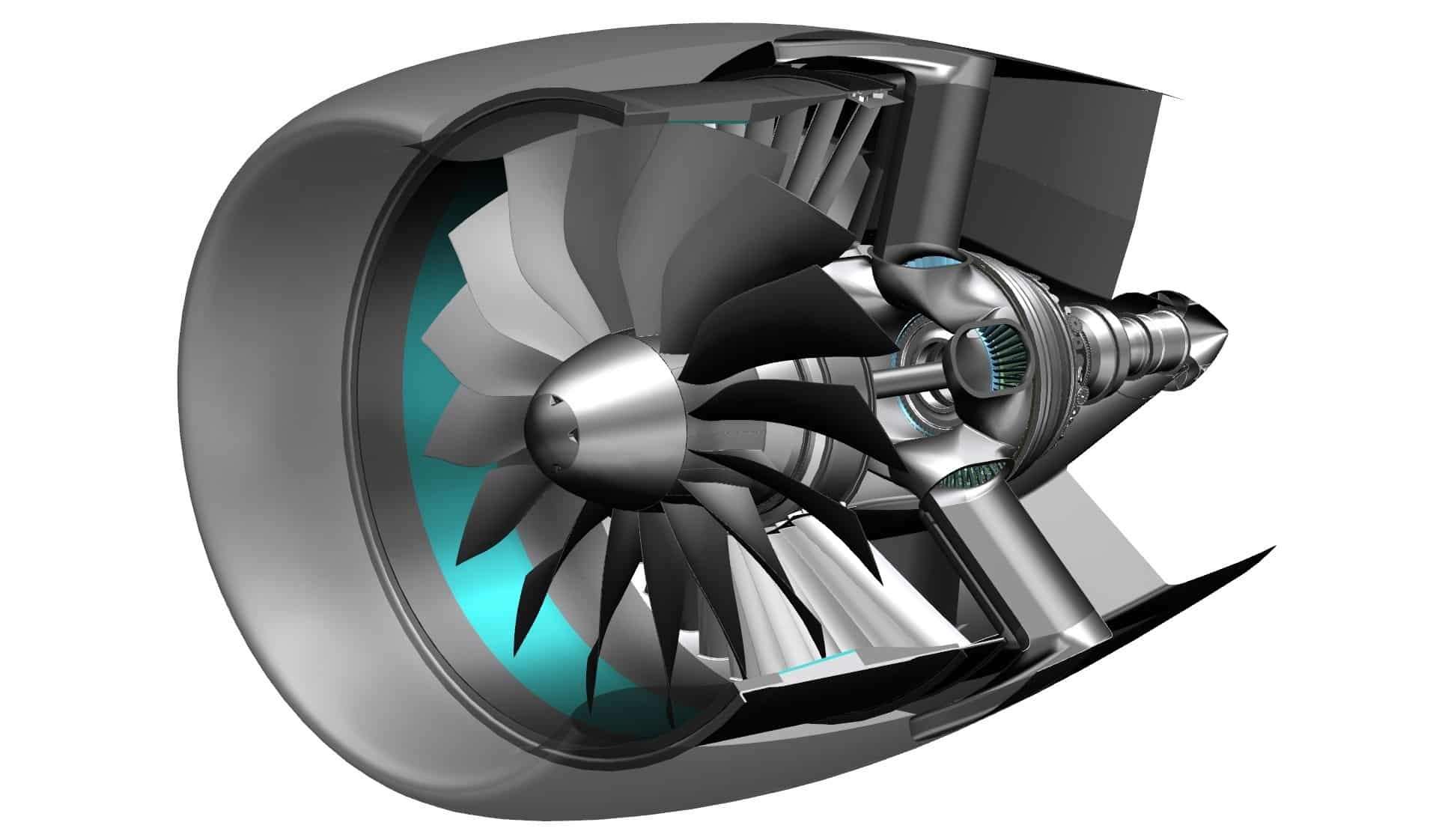
NASA’s Trailblazing Concepts for Sustainable Aviation
The five awarded studies showcase a variety of innovative pathways toward achieving green aviation:
- Aurora Flight Sciences: Emphasizing next-level aerodynamics, sustainable fuels, and advanced propulsion systems to boost efficiency and slash emissions.
- Electra: Advancing electric propulsion methods coupled with novel aerodynamic frameworks to curtail noise and pollutant output.
- Georgia Institute of Technology: Delving into alternative fuel development, new propulsion techniques, and futuristic aircraft designs aiming for sustainability.
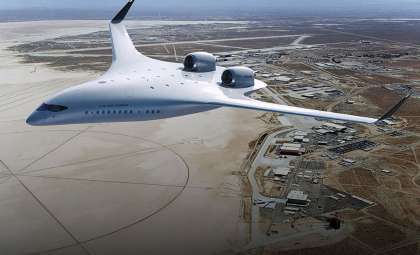
- JetZero: Breaking new ground with cryogenic liquid hydrogen fuel to substantially decrease greenhouse gas emissions.
- Pratt & Whitney: Pioneering improvements in propulsion efficiency that reduce both fuel use and carbon emissions.
All projects are aligned with the ambitious target of achieving net-zero aviation emissions by the year 2050.
Forging a Sustainable Horizon for Flight
The innovative aircraft concepts nurtured through AACES are projected to be realized over the next 25 years, establishing new standards for eco-friendly and effective aviation. NASA’s Advanced Air Vehicles Program director, Nateri Madavan, remarked on the significance of the collaborations:
“The proposals selected come from a diverse set of organizations that will provide exciting and wide-ranging explorations of the scenarios, technologies, and aircraft concepts that will advance aviation towards its transformative sustainability goals.”
By bringing together academia, industry leaders, and research institutions, NASA fosters a dynamic environment for breakthroughs that will drive the aviation industry toward a greener future.
As next-generation sustainable aircraft prepare to take to the skies, the AACES initiative charts a visionary course. These designs promise not only reduced emissions but also quieter, cleaner, and more efficient flying—where innovation and environmental stewardship soar side by side.
To explore all five of NASA's funded projects in detail, click here.






0 comments
Sign in to Comment