
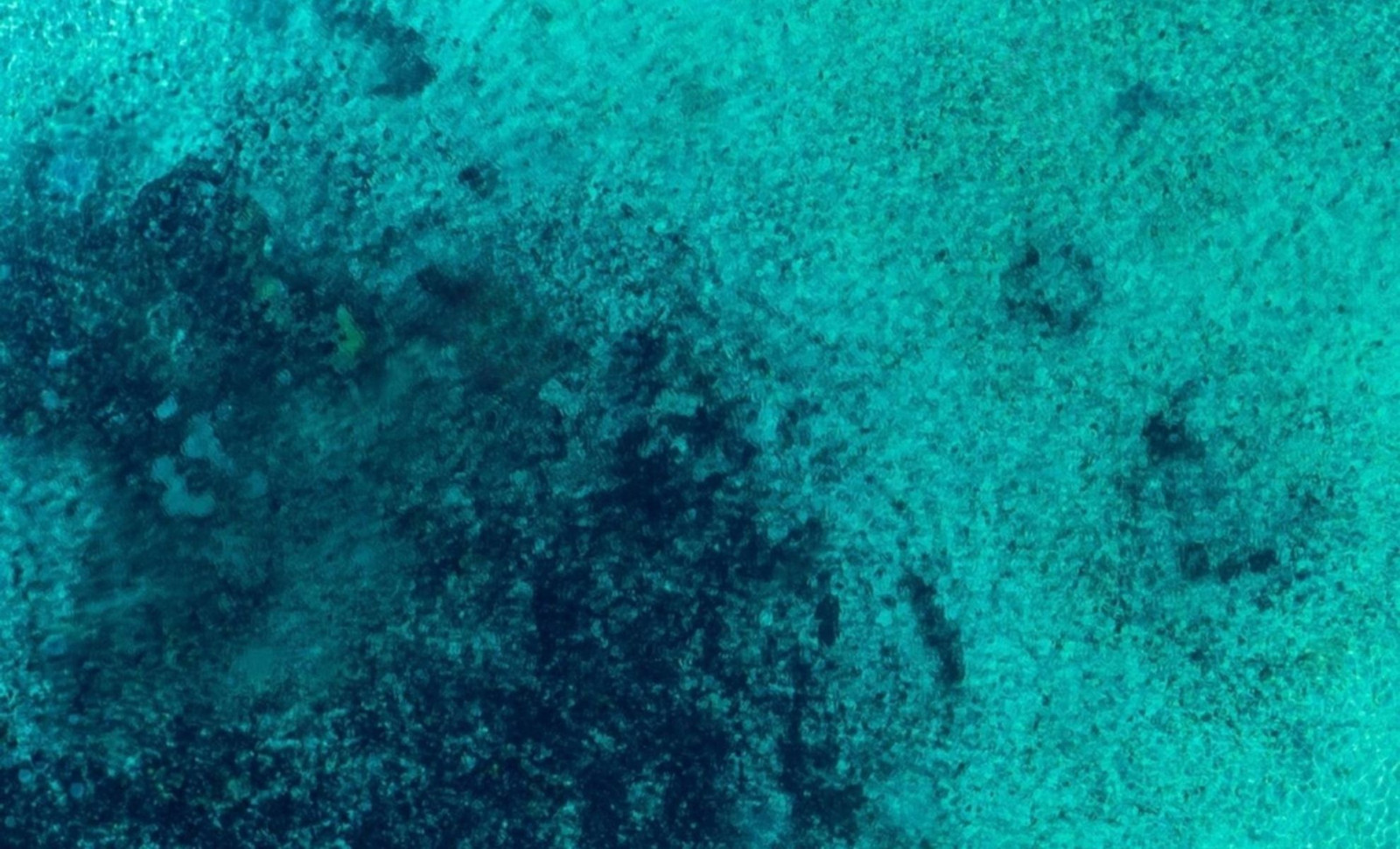
A significant reduction in oceanic calcium levels could explain Earth’s gradual transformation from the warm, dinosaur-dominated greenhouse to today's cooler, ice-covered planet. A recent study highlights that this 66-million-year cooling trend might stem not only from surface phenomena but also from profound alterations in the ocean’s chemical makeup. The research indicates that a dramatic decline in dissolved calcium modified the oceans’ role in carbon absorption and storage, ultimately cooling the atmosphere.
Conducted by a team led by the University of Southampton and published in the Proceedings of the National Academy of Sciences, this international collaboration tracked ocean calcium fluctuations since the end of the dinosaur era. They observed that calcium levels in the oceans have decreased by over 50% throughout the Cenozoic Era.
Early Oceans Released More Carbon
Shortly after the dinosaurs vanished, Earth's climate was substantially warmer than it is today. According to Dr. David Evans, the study’s principal investigator and oceanography expert at Southampton, oceanic calcium concentrations were roughly twice the current levels. During that period, the ocean’s carbon storage dynamics differed notably:

“When these levels were high, the oceans worked differently, acting to store less carbon in seawater and releasing carbon dioxide into the air,” Evans explained.
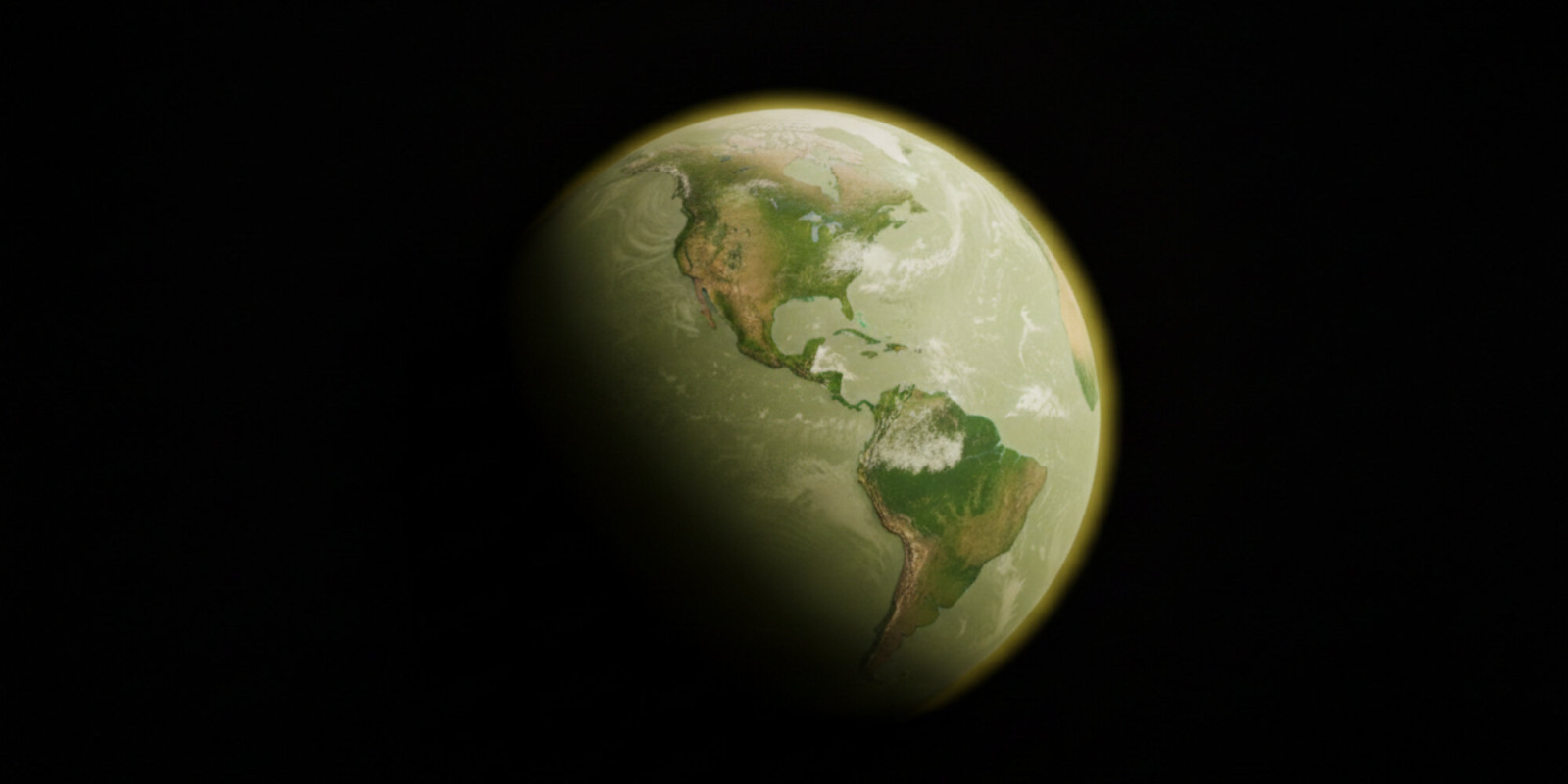
Over millions of years, as calcium levels diminished, atmospheric carbon dioxide also decreased. The published findings indicate a potential temperature drop of 15 to 20°C during this timeframe. This phenomenon is linked to the way marine species construct their shells and skeletal structures, with reduced ocean calcium altering the production and deposition of carbon-containing materials on the seabed.
Fossil Evidence Reveals Carbon Cycle Changes
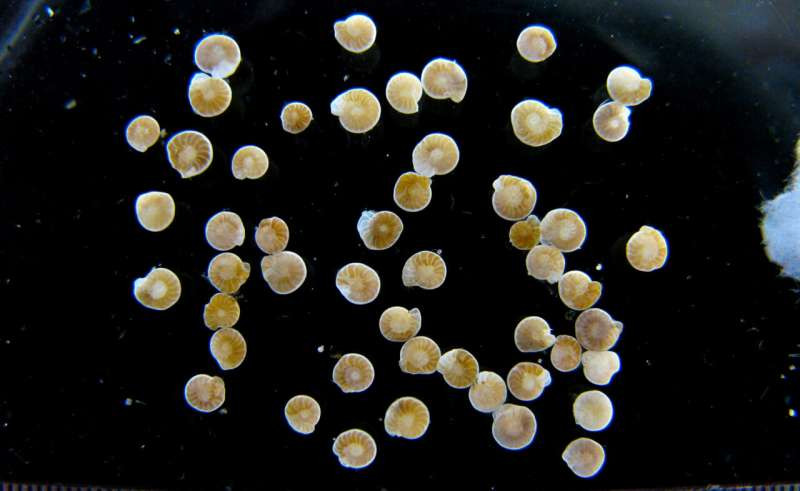
To delve into long-term shifts in seawater chemistry, researchers analyzed microscopic fossil shells of foraminifera, tiny marine organisms whose calcium carbonate exoskeletons capture oceanic chemical signatures. These fossil samples were retrieved from deep-sea sediment cores.
Dr. Xiaoli Zhou of Tongji University, a co-author, described how variations in dissolved calcium influenced carbon fixation in organisms like plankton and corals.
“The process effectively pulls carbon dioxide out of the atmosphere and locks it away,” she said.
This shift in biological activity transformed the ocean’s carbon sequestration capabilities, pointing to a climate feedback mechanism linked to marine ecosystems and ocean chemistry.
By employing computer simulations, the study demonstrated how calcium-driven changes impacted global carbon reservoirs, especially those stored in ocean sediments. These insights connect microscopic marine life to substantial planetary temperature fluctuations across geological epochs.
Why Did Seafloor Spreading Decelerate?
This decline in calcium was linked to deep Earth processes. As Professor Yair Rosenthal from Rutgers University explained, a major contributing factor was the reduction in seafloor spreading, the tectonic activity generating new oceanic crust. This slowdown curtailed the influx of calcium-rich materials entering seawater through chemical interactions with the crust.
“Seawater chemistry is typically viewed as something that responds to other factors that lead to changes in our climate,” Rosenthal noted. “But our new evidence suggests that we must look to changing seawater chemistry to understand our planet’s climate history.”
This insight implies that Earth’s internal geological transformations have played a crucial role in driving global climate over extended periods.
- Categories:
- Science




0 comments
Sign in to Comment