
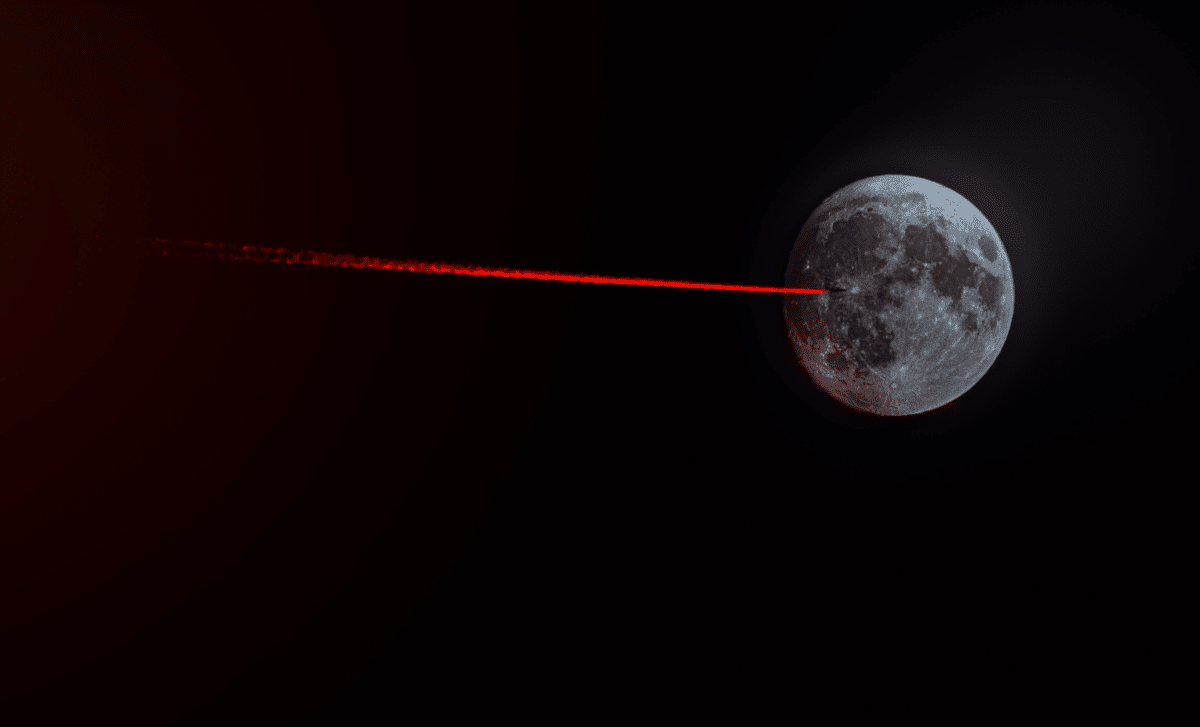
NASA has made a groundbreaking advancement in space exploration during the Artemis II mission by utilizing a laser communication system to send unprecedented amounts of high-resolution data from lunar orbit, potentially transforming how interplanetary missions are conducted and experienced.
Laser-Based Communications Usher in a Revolutionary Phase for Space Data Transfer
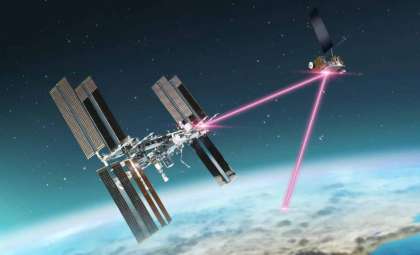
Central to this milestone is the Orion Artemis II Optical Communications System (O2O), crafted by MIT Lincoln Laboratory and mounted externally on the Orion spacecraft. Unlike conventional radio frequency transmissions, this system employs infrared laser light to transfer data, significantly boosting bandwidth and overall efficiency. Throughout the approximately ten-day mission, it successfully relayed 484 gigabytes of information, roughly equivalent to streaming nearly 100 high-definition films.
The transmitted content comprised ultra-clear video, detailed scientific datasets, engineering telemetry, and voice communication between astronauts and mission control. While traditional radio channels remained vital for basic communication at reduced speeds—often only single-digit megabits per second over lunar distances—the optical system consistently achieved downlink speeds of 260 megabits per second. This performance not only exceeded expectations but also demonstrated the system’s readiness for routine operation. This development marks a pivotal leap in data transmission capabilities, allowing for enhanced scientific output, accelerated decision-making, and a far richer connection between crew and Earth.

Ground Stations Capture Record Data Through Strategic Global Network
This success hinged on a well-coordinated global array of sophisticated ground stations optimized to maintain stable laser beam reception across vast distances. NASA reports that facilities at the Jet Propulsion Laboratory in California and the White Sands Complex in New Mexico were critical, chosen for their elevated altitude and dry atmospheres that reduce signal degradation. These stations handled most of the incoming data, at times receiving an impressive 26 gigabytes in under an hour, matching or surpassing many everyday internet speeds.
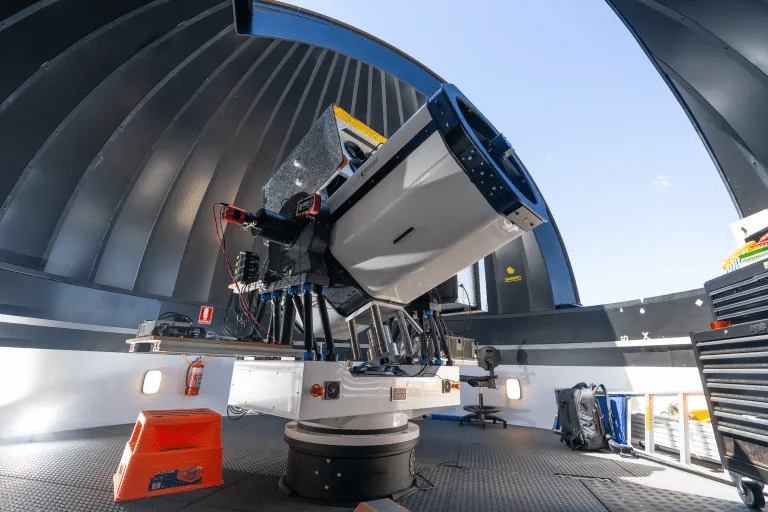
A third key location at the Australian National University’s Mount Stromlo Observatory extended the system’s reach globally. Utilizing commercially sourced components, this station proved that powerful laser communication infrastructure can be implemented affordably and swiftly. Over a period exceeding 15.5 hours, it supported simultaneous video streams, contributing to NASA’s live mission broadcasts and maintaining connectivity when other stations were offline. This distributed framework underscores the scalability and continuous operational potential of laser communications for future deep-space missions.
Enabling Prompt Scientific Analysis and Stronger Crew-Earth Bonds
The implications of this breakthrough extend beyond data transfer speeds, revolutionizing how scientific operations and public interaction are conducted. Near real-time delivery of high-definition images empowered Earth-based researchers to quickly assess and respond to lunar mission milestones.
“Access to high-resolution imagery and other scientific data during dynamic science mission phases is a game changer,” said Dr. Kelsey Young, Artemis II lunar science lead. “It means faster insights, better science decision-making to support the crew as they’re completing science exploration, and a mission with a more integrated science presence. It felt like we were right there with the crew, and it maximized the lunar science impact of the mission as it allowed for a more productive crew science conference the morning after the flyby.”
For the general public, the difference was equally remarkable. Millions tuned in to crisp, seamless livestreams, capturing striking views such as Earthrise and the spacecraft’s transit behind the Moon.
“Space communications isn’t just about moving bytes, it’s about delivering the images, the video, and the voices of the crew that bring a mission to life,” said Greg Heckler, SCaN’s deputy program manager for capability development. “With the optical payload, we were able to watch astronauts embark on their journey in near real-time. Those moments gave us a breathtaking new view of Earth and revealed the crew isn’t just a team, but a family.”
This unprecedented immediacy is diminishing the psychological barrier between Earth and distant space, rendering exploration more vivid than ever.
Implications for Future Lunar and Martian Missions
The success of laser communications during Artemis II represents a pivotal turning point in mission design. As NASA progresses toward continuous lunar presence and eventual crewed voyages to Mars, the volume and complexity of transmitted data will skyrocket. Optical systems offer a viable solution, supporting vast HD video streams, sophisticated scientific instruments, and uninterrupted operational data without the bandwidth constraints of traditional radio technologies.
The adaptability of this technology also invites collaboration with international agencies and commercial entities, as highlighted by the proven cost-effectiveness of the global ground station network. Ultimately, this innovation could underpin an expansive interplanetary communication framework connecting Earth, lunar bases, and deep-space missions into a seamless network. The Artemis II demonstration is not only a technological triumph but also a glimpse into a future where space travel is faster, more connected, and deeply immersive for all.
- Categories:
- Nasa







0 comments
Sign in to Comment