
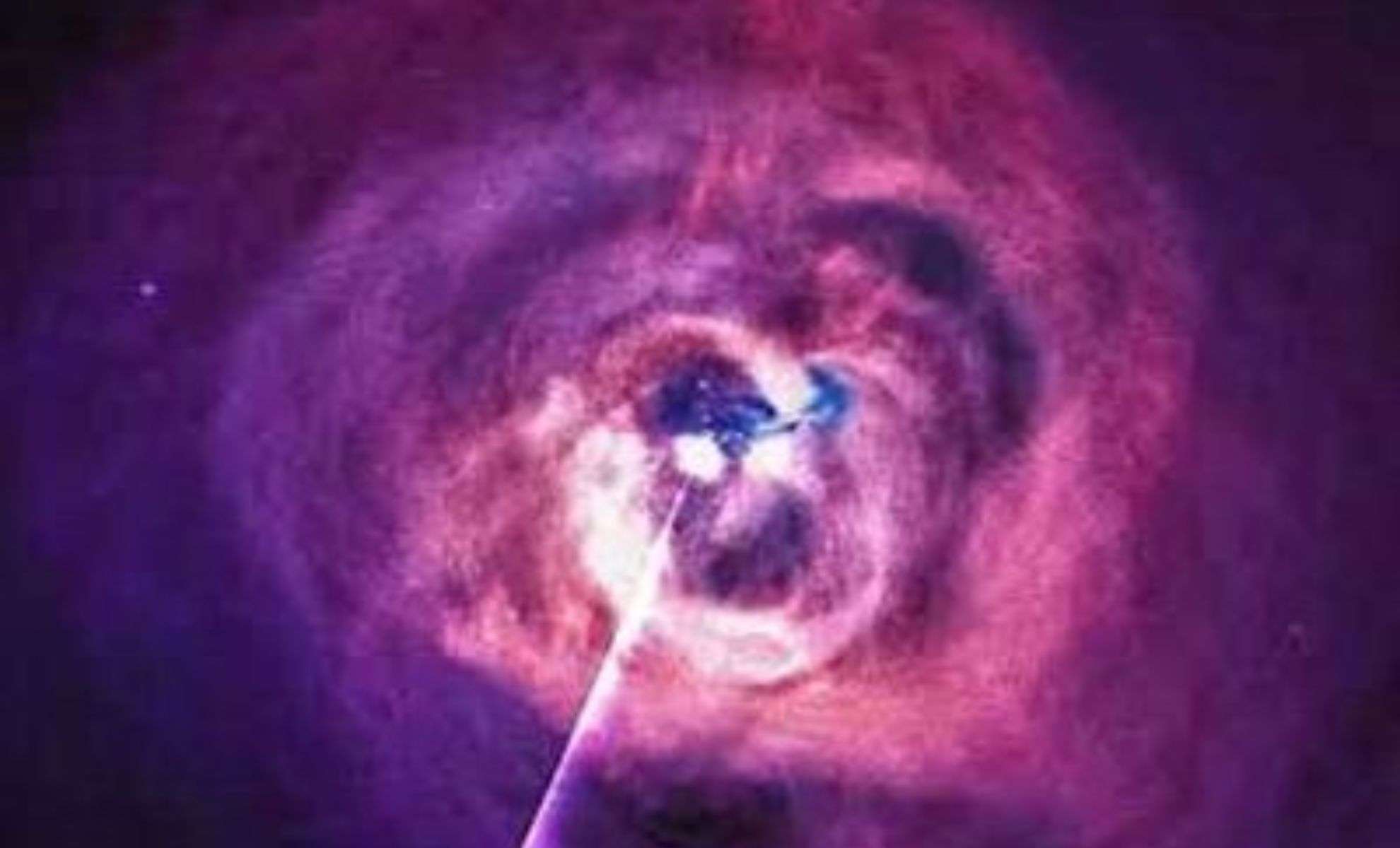
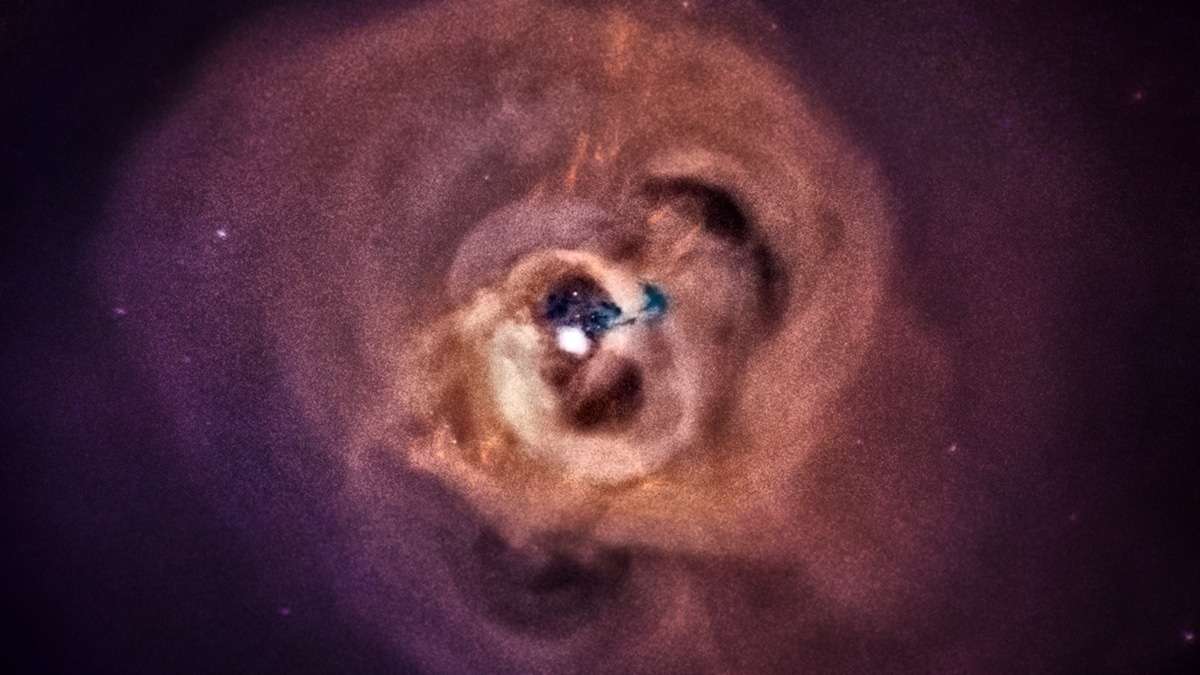
NASA has unveiled an eerie sound recording that allows listeners to experience the acoustic signature of a supermassive black hole, albeit in a highly altered form. This sound was derived from data collected back in 2003 from the Perseus galaxy cluster, located around 250 million light-years from Earth, providing a fascinating auditory insight into cosmic phenomena. The original research detailing these sound waves was published in The Astrophysical Journal, based on observations from the Chandra X-ray Observatory.
Although the sound itself was always there, this release marks the first time humans can actually listen to it. Contrary to the common belief that space is utterly silent, NASA’s recent sonification work demonstrates that under certain conditions, space can 'produce' sound. Using acoustic data gathered by Chandra, scientists transformed imperceptible vibrations into a haunting, deep-frequency hum.
Echoes from the Cosmic Depths
The sound originates from pressure waves traveling through the extremely hot gas enveloping the central black hole of the Perseus cluster. These waves were initially detected nearly twenty years ago when researchers observed rhythmic fluctuations in X-ray emissions. ScienceAlert reports that these waves indeed form a sound, one far below the natural range of human hearing. The lowest tone corresponds to a B-flat, astonishingly 57 octaves below middle C, requiring an incredible 10 million years to complete a single cycle.

The key to this phenomenon is the medium through which sound travels. While sound cannot move through a vacuum—which characterizes most of space—in dense galaxy clusters, the abundance of plasma and gas allows these waves to propagate. NASA highlighted this on its @Exoplanets X account, stating “a galaxy cluster contains enough gas to capture genuine sound.”
The misconception that there is no sound in space originates because most space is a ~vacuum, providing no way for sound waves to travel. A galaxy cluster has so much gas that we've picked up actual sound. Here it's amplified, and mixed with other data, to hear a black hole! pic.twitter.com/RobcZs7F9e
— ARCHIVED NASA Exoplanets (@NASAExoplanets) August 21, 2022
From Frequency Data to Audible Sounds
To convert the ultra-low frequency waves into something audible, NASA scientists employed sonification, a process that raises the original pitch by multiple octaves. In this case, the natural frequencies were increased by 57 to 58 octaves, equating to a frequency boost by a factor of 144 to 288 quadrillion. The outcome is a chilling sonic experience that resembles a supernatural moan from the depths of space, with sound shaped to mimic movement outward from the black hole’s center.
This type of sonification is part of NASA’s broader initiative to render space data more comprehensible and engaging. A similar approach was used to create audio for the M87 black hole, the first black hole image ever captured, although there the sound was derived from light signals rather than pressure waves.
Probing Cosmic Heating Mechanisms
Beyond creating a ghostly soundtrack, the audio reveals significant astrophysical activity within these galaxy clusters. The intracluster medium—the searing gas located between galaxies—channels energy via these sound waves, causing the plasma to warm. Research suggests this heating process influences star formation rates and even shapes the long-term evolution of galaxy clusters.
The discovery also aids scientists in studying how energy disperses throughout clusters, affecting gas distribution and star birth cycles, as detailed in the related study.
All of this insight hinges on the precision of the Chandra Observatory, which detects intense X-rays emitted by the superheated gas. These emissions enabled the initial detection of sound waves, sparking the innovative sonification project that converts scientific measurements into a medium we can hear, fostering a new way to connect with the cosmos.
- Categories:
- Space





0 comments
Sign in to Comment