
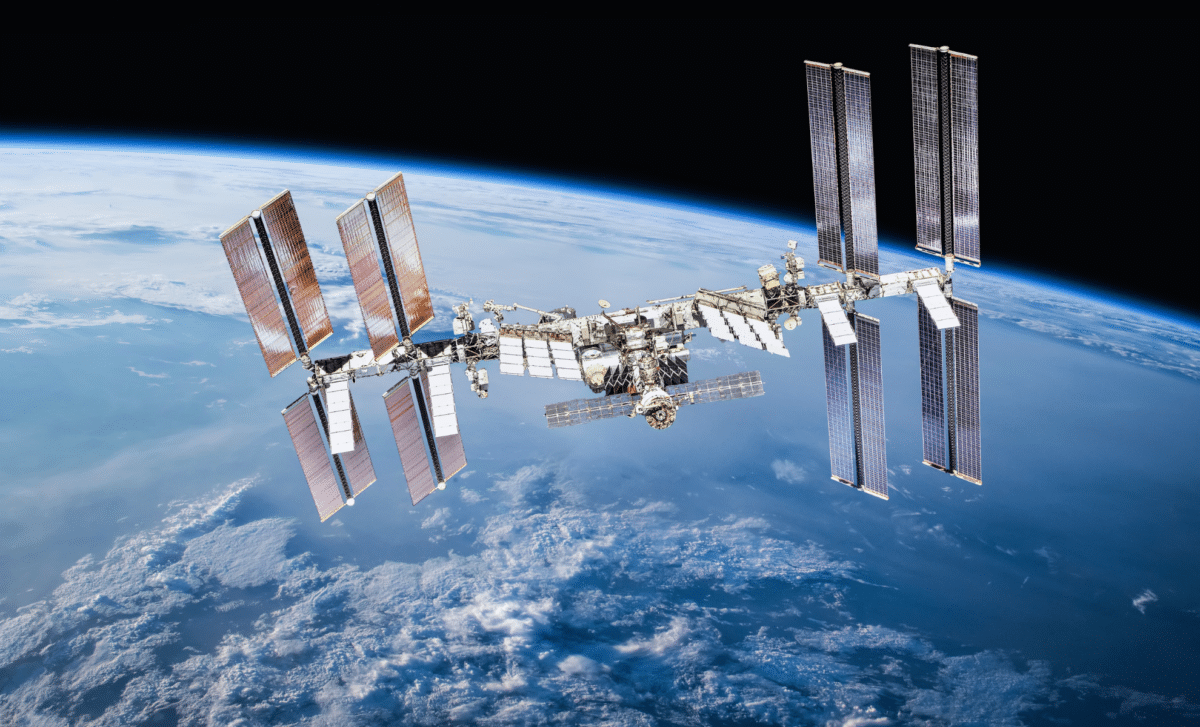
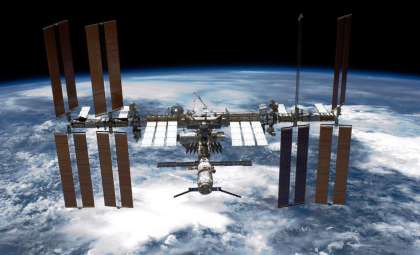
The conclusion of the International Space Station (ISS) mission is nearing, but the proposed final descent of this orbital complex has sparked concerns reaching beyond the realm of space science. Based on insights from the Government Accountability Office (GAO), NASA aims to steer the ISS into a controlled reentry over the Pacific Ocean in the coming years. Although this plan prioritizes terrestrial safety, marine conservationists and legal analysts worry that the ecological consequences under the ocean’s surface haven't been adequately examined.
NASA’s Strategy for Deorbiting the ISS
Serving as humanity’s foremost orbital laboratory for over 20 years, the ISS has facilitated multinational crews and countless scientific projects in low Earth orbit. However, the station was never intended to operate indefinitely. Its aging components, growing upkeep expenses, and emerging private space habitats have all driven efforts toward orchestrating a safe, controlled descent.
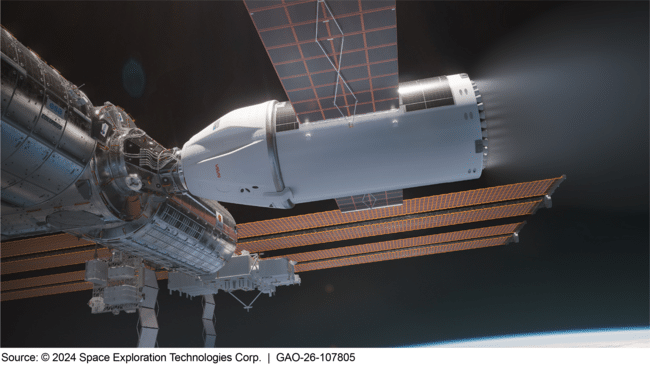
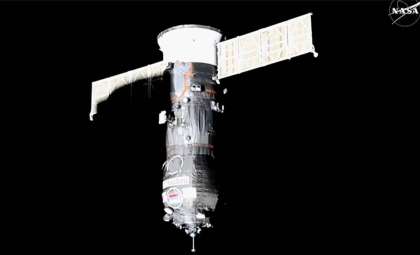
NASA envisions a gradual lowering of the station’s orbit to commence around 2028. This descent will be assisted by atmospheric drag and orbital adjustments managed via the Russian modules. By 2029, a specially designed U.S. Deorbit Vehicle (USDV), created by SpaceX, is slated to dock with the ISS and deliver the decisive impulse to initiate reentry. The designated impact site is Point Nemo, an isolated area in the South Pacific dubbed the "spacecraft graveyard" due to its remoteness from inhabited land. The goal is to ensure that any debris reaching the Earth falls far from populated zones. Still, as the plan becomes more concrete, whether this approach sufficiently addresses the environmental impact beneath the ocean surface remains under scrutiny.

Concerns Raised by Marine Specialists
The conversation gained momentum following warnings from The Ocean Foundation, a group devoted to preserving marine ecosystems and ocean policy. Mark Spalding, president of the foundation, asserts that the environmental implications of dismantling the ISS in the Pacific require a far more rigorous evaluation.
He emphasized that the International Space Station
“raises serious concerns for ocean health that the space community has not adequately grappled with,” according to Mark Spalding, president of the foundation.
The main issue lies in the massive scale of the project. The ISS covers an area similar to a football field and weighs hundreds of tons. While most parts incinerate during reentry, heavier segments are expected to remain intact and settle on the seafloor. The unpredictability of these remnants’ influence on deep-sea ecosystems remains a key point of contention. Current scientific knowledge is insufficient in predicting the long-term interactions between persisting debris and ocean life. Advocates suggest that this ambiguity warrants a detailed environmental assessment before proceeding.
Insights from the GAO Review and the Targeted Ocean Zone
The Government Accountability Office (GAO) has recently evaluated NASA’s plans to phase out the ISS, shedding light on the final descent process. Their report explains how the deorbit vehicle will perform a conclusive burn to direct the station into the remote Pacific area.
“As part of the reentry process, NASA expects portions of the ISS and deorbit vehicle to break up and fall into the remote part of the ocean to minimize the risk to populated areas,” states the GAO report.
Protecting public safety is the core argument here. Guiding debris toward one of the planet’s most isolated parts greatly diminishes the chance of harm to people or property. Point Nemo has long been selected for spacecraft disposal precisely due to its distance from civilization. Nevertheless, critics maintain that this emphasis on human safety overlooks persistent environmental issues. They warn that prioritizing debris impact avoidance on land neglects the unresolved ecological repercussions in the ocean, especially given the unprecedented size of the ISS reentry. This event may set a vital benchmark for handling future orbital infrastructure decommissioning.
Jurisdictional Challenges in Open Waters
The issue transcends science, entering the realm of international maritime law. Spalding points out that the ISS deorbit plan exposes a significant loophole in current legal frameworks governing ocean activities.
In his interview with Space.com, Spalding stated that “there is a troubling structural gap in international law that the ISS de-orbit throws into sharp relief.”
While agreements exist to enforce reparations if space debris harms a country's land or assets, accountability becomes ambiguous once debris is intentionally dispatched to international waters. Critics argue this permits nations to discard debris in distant ocean regions without the same environmental responsibility that applies on land.
“As a result, when space agencies have control over where debris falls, they aim for the high seas, and in doing so, they incur no legal obligation to pay for cleanup or environmental remediation,” said Spalding.
This concern has spurred calls for revisiting international treaties to see if they sufficiently address the disposal of increasing numbers of retired spacecraft. With ambitious plans for larger orbital stations in future decades, the ISS case might become pivotal in shaping global environmental law beyond national jurisdictions.
Uncharted Effects on Ocean Life
One of the main challenges in this conversation is the scarcity of scientific data concerning large deposits of spacecraft debris on the sea floor. Although the seclusion of Point Nemo is ideal for disposal, it also means that research in this area is limited. While some debris from past missions has reached the seabed, the long-term ecological outcomes remain largely unknown.
Environmental groups caution that unknowns should never be conflated with safety. Deep-sea habitats are often delicate, slow to rebound, and still yield new biological discoveries, raising concerns about how foreign remnants might disrupt these sensitive systems over time.
Spalding urges a shift away from perceiving this region as simply desolate ocean space.
“But the ocean’s remoteness from human infrastructure should not be mistaken for a lack of value or vulnerability,” Spalding said. “The ocean and its creatures deserve the same protection that international law affords to national territories.”
This perspective encapsulates the key apprehension: the issue extends beyond just the ISS itself to encompass a potentially harmful precedent of utilizing isolated ocean regions as default dumping grounds for colossal space infrastructure.
- Categories:
- Nasa









0 comments
Sign in to Comment