
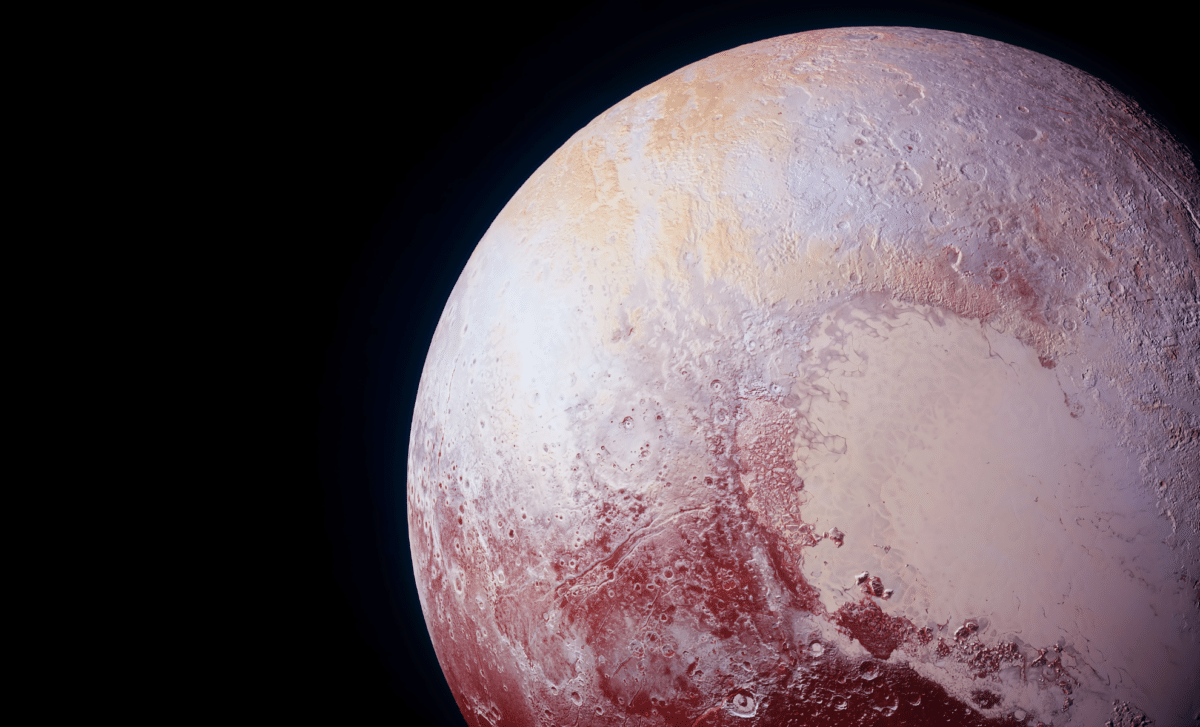
NASA Administrator Jared Isaacman has reignited a longstanding astronomical controversy by advocating for Pluto’s reinstatement as a planet. This surprising move comes amidst proposed steep cuts to NASA’s science budget, hinting at potential shifts in scientific priorities and public conversation.
The Unexpected Resurgence of Pluto’s Planetary Debate
Since the International Astronomical Union (IAU) downgraded Pluto to dwarf planet status in 2006, the classification has remained contentious. Now, almost twenty years later, NASA Administrator Jared Isaacman brought the issue back into focus during testimony before the Senate. His comments indicate that this is not merely a personal stance but possibly a broader institutional push to revisit a debate many believed was settled.
During the hearing with the Senate Subcommittee on Commerce, Justice, Science, and Related Agencies, Isaacman declared unwavering support for the movement to “Make Pluto A Planet Again.” He clarified that the effort involves rigorous scientific review rather than nostalgic sentiment, revealing that internal studies are underway. Isaacman stated, “I would say we are doing some papers right now on a position that we would love to escalate through the scientific community to revisit this discussion and ensure that Clyde Tombaugh gets the credit he received once and rightfully deserves to receive again,” signaling a coordinated campaign to influence scientific consensus rather than symbolic advocacy.

Balancing Scientific Ambition with Budget Constraints
The timing of Isaacman’s announcement is significant, occurring as NASA faces potential cuts slicing almost half off its science funding. This scenario forces tough choices about mission continuations. Devoting attention to Pluto’s categorization may seem at odds with the urgent priorities of sustaining missions. Notably, New Horizons, the spacecraft that revolutionized Pluto’s image and understanding under the leadership of Dr. Alan Stern—a fierce proponent of Pluto’s planetary identity—remains a flagship example of outer solar system exploration but could be threatened by funding reductions.
Isaacman’s statements showcase the agency’s effort to juggle ambitious goals amid fiscal limitations.
“And I would say, we are doing some papers right now on, I think, a position that we would love to escalate through the scientific community to revisit this discussion and ensure that Clyde Tombaugh gets the credit he received once and rightfully deserves to receive again,” the NASA chief added.
This repetition highlights how pivotal this agenda is for Isaacman, even as questions linger regarding NASA’s management of priorities under funding pressure.
Remembering Clyde Tombaugh and Planetary Criteria
Central to this debate is the legacy of Clyde Tombaugh, who discovered Pluto in 1930. Pluto’s status as the ninth planet was educationally and culturally entrenched for decades until the IAU’s 2006 definition introduced stricter planetary criteria. Among the requirements is that a planet must clear its orbital zone, which Pluto fails due to its residence in the Kuiper Belt. While these technical standards reshaped planetary classifications, they remain controversial both within scientific circles and among the public.
Isaacman’s framing ties scientific reconsideration to honoring Tombaugh’s discovery, reflecting a growing faction that believes the current IAU definition might not fully capture planetary diversity. This debate extends beyond taxonomy, touching on evolving insights into solar system formation and the adaptability of scientific categories.

NASA’s Ambitious Vision Amid Challenges
Isaacman’s Senate comments also addressed broader agency ambitions, including the Artemis program and the forthcoming Nancy Grace Roman Space Telescope. He suggested the telescope might launch earlier than the projected September 2026 date, potentially advancing to August, reflecting gains in program efficiency. This contrasts with the historic delays and budget overruns that have characterized many NASA endeavors.
Despite some skepticism over whether expedited schedules risk compromising mission quality, Isaacman affirmed NASA’s commitment to pursuing pioneering objectives, such as establishing a lasting human presence on the Moon, even amid budgetary pressures. The revival of Pluto’s planetary status debate fits within this larger picture of NASA striving to simultaneously advance iconic and scientific initiatives, despite resource restrictions.
Pluto’s Status: More Than Just Science
The ongoing discussion about Pluto’s designation goes beyond technical definitions, encompassing cultural values, historical pride, and institutional goals. Isaacman’s push could ignite renewed scientific inquiry and debate, possibly prompting proposals to amend or elaborate on the IAU’s criteria. Concurrently, this effort faces criticism as potentially diverting focus during a precarious time for space science funding. Whether Pluto’s planetary status is restored or remains unchanged, this debate underscores how science negotiates new discoveries, honors legacy, engages the public, and manages limited resources. The coming months may determine if this movement gains momentum or serves mainly as symbolic advocacy amid uncertainty for NASA.
- Categories:
- Nasa












0 comments
Sign in to Comment