
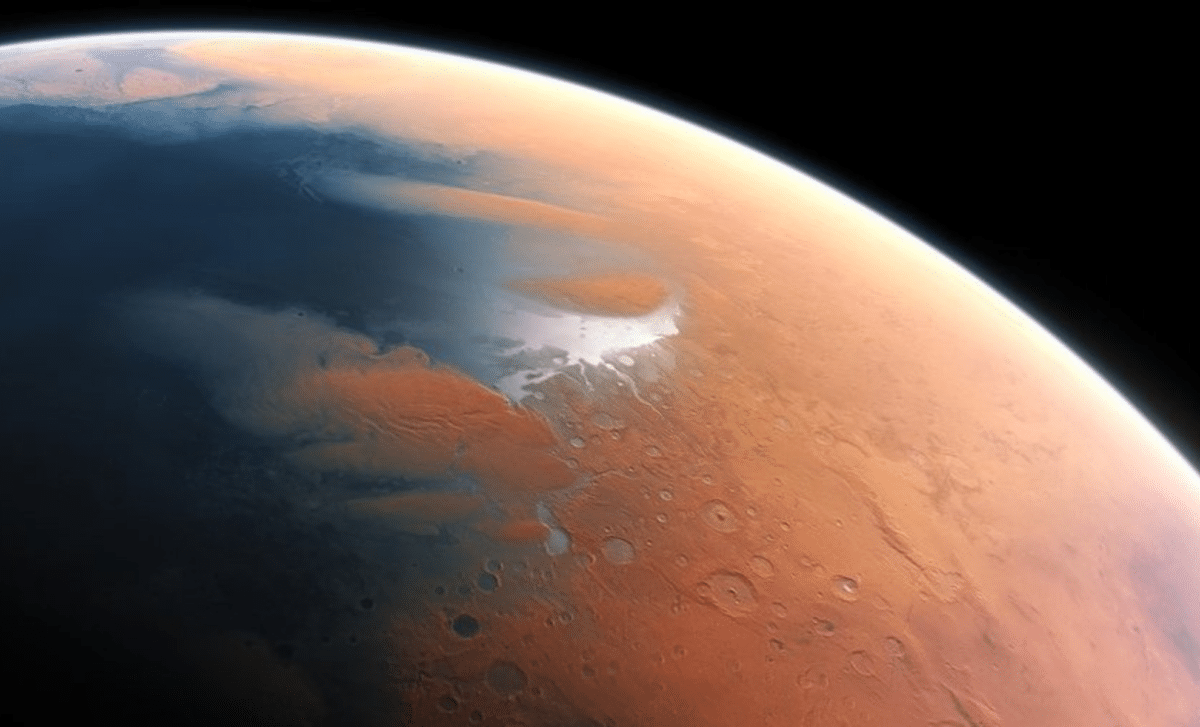
NASA has verified that Mars possesses an atmosphere, but its extremely thin and toxic nature prompts a critical inquiry: could a person survive even a single breath there? As preparations for crewed missions advance, research and experiments on the Martian surface reveal the harshness of its air and underscore the necessity of converting its noxious gases into breathable oxygen for future explorers.
Mars: Earth’s Look-Alike with a Breathless Atmosphere
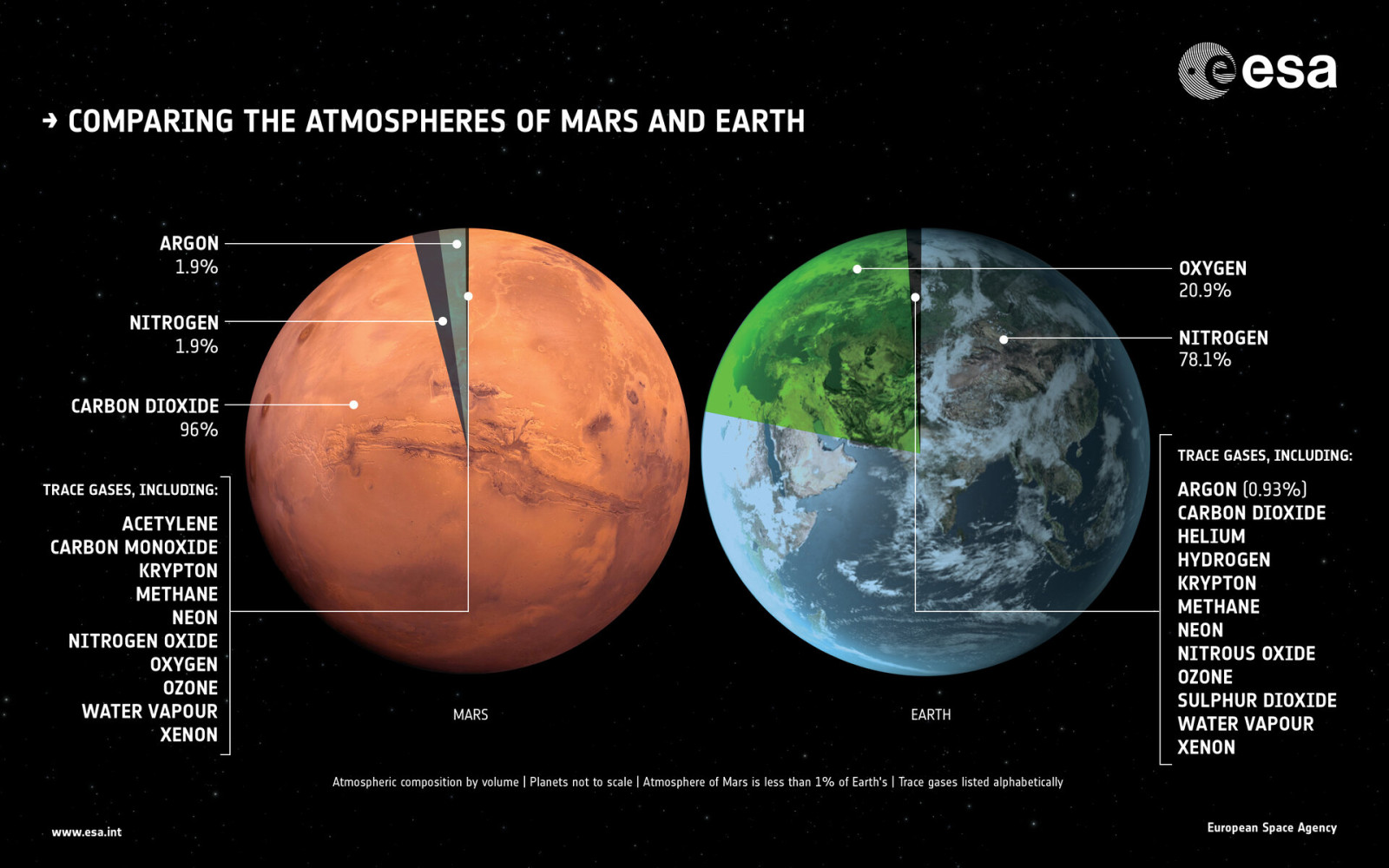
From afar, Mars resembles Earth with its rocky landscapes, icy poles, and seasonal shifts. However, stepping onto its surface shatters that perception instantly. Mars' atmosphere is not only thin but essentially negligible for human standards. It holds less than 1% of Earth's atmospheric pressure, failing to sustain even minimal human life support.
Respiration, effortless on Earth where oxygen comprises about 21% of the atmosphere, becomes impossible on Mars, where oxygen is nearly absent at just 0.1%. Instead, the planet’s air is overwhelmingly carbon dioxide, making up roughly 96%. This chemical makeup renders every inhalation potentially fatal.

The threat extends beyond the lack of oxygen. Mars' low atmospheric pressure alone creates immediate dangers to human physiology. Without environmental protection, the human body quickly loses balance, and survival would count in mere seconds. Mars is not just devoid of breathable air; it is fundamentally hostile to human biology.
This core reality shapes the main obstacle in exploring Mars. While transporting essentials like food, water, and shelter is challenging but feasible, developing a reliable oxygen supply is far more complex. Without this, sustained human presence remains unattainable regardless of mission advancements.
Insights from NASA Highlight Mars' Aerosphere Challenges
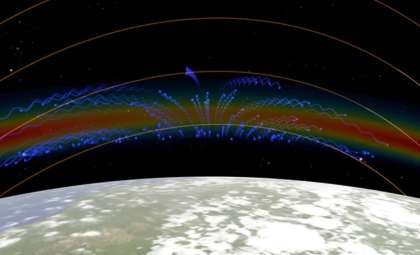
NASA data firmly establishes that Mars' atmosphere is tenuous due to its inability to hold onto gases. The planet's lower gravity causes atmospheric molecules to gradually escape into space, thinning its air and precluding stable, life-supporting conditions.
This atmospheric depletion probably turned Mars from a warmer, wetter planet into the frozen desert we observe today. Geological records imply that in the distant past, Mars supported liquid water, thicker air, and milder temperatures—factors that fuel ongoing research.
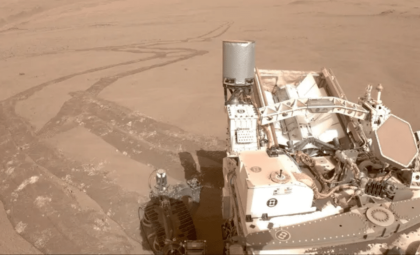
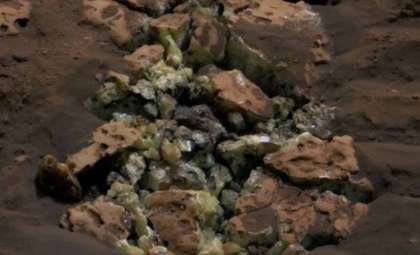
Perseverance rover, one of NASA’s cutting-edge robotic missions, aims to uncover this ancient history. By examining soil and rock samples, it investigates signs of past microbial life, searching for subtle chemical signatures and structures preserved over billions of years.
Mars' desolate surface hides a trove of planetary history. Each scientific measurement helps reconstruct its evolutionary path and the possibility that it once harbored life. The atmosphere is more than an obstacle; it’s a vital clue to Mars’ story.
Converting CO2 Into Oxygen: Breakthrough Technology on Mars
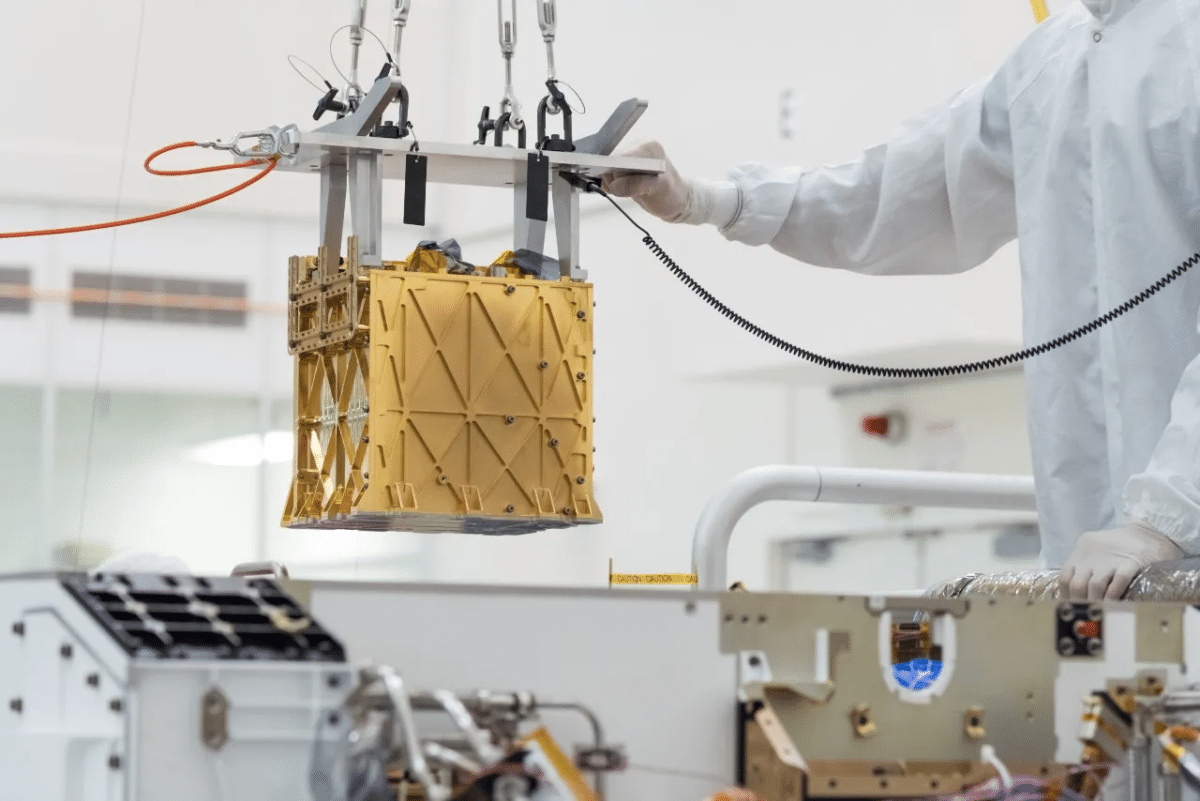
One of the most groundbreaking Mars experiments is MOXIE (Mars Oxygen In-Situ Resource Utilization Experiment), engineered by NASA to transform carbon dioxide into oxygen. Since Mars’ atmosphere is predominantly CO2, MOXIE turns this hazard into a vital resource. “MOXIE isn’t just the first instrument to produce oxygen on another world,” noted Trudy Kortes from STMD’s technology demonstrations division.
MOXIE extracts oxygen atoms from CO2 molecules, generating breathable oxygen in limited amounts. Although now a proof-of-concept, scaling up this technology could enable astronauts to produce oxygen on Mars instead of transporting it from Earth.
Oxygen production also supports rocket fuel manufacture, potentially decreasing launch payloads for return trips and easing mission logistics. Every kilogram saved contributes to reduced costs and heightened mission flexibility.
This shift from dependence on Earth-supplied resources to in-situ generation signifies a major evolution in space exploration. Mars transforms from a mere destination into a place with emerging infrastructure.
Ensuring Human Survival on Mars Requires More Than Oxygen
Even with oxygen production advancements, Mars remains an unforgiving environment. Surface temperatures can plummet below -100°F (-73°C), liquid water is scarce, and extreme conditions like radiation and intense dust storms persist.
Astronauts will still need pressurized habitats, sophisticated life-support systems, and protective gear. Oxygen is crucial but addresses only part of the extensive challenges for sustained occupation.
Nevertheless, progress is evident. Each robotic mission and technology trial reduces uncertainties. What was once theoretical is steadily becoming feasible. NASA anticipates sending humans to Mars by the late 2030s, signaling a significant leap in space exploration capabilities.
Though Mars remains harsh, it is increasingly accessible. The pressing question is evolving from whether people can reach Mars to how long they can endure its environment.
A Quiet Planet Offering Vital Clues
Perseverance’s images depict a stark, lifeless landscape shaped by time. Yet this apparent emptiness is misleading. Beneath the surface, chemical records or fossil remnants may hold answers about Mars' biological past.
The investigation is gradual and evidence-based. Every rock sample and atmospheric analysis deepens understanding of Mars' history. The planet is not only a target for discovery but a natural laboratory for studying planetary evolution.
Its current hostile conditions serve as both a cautionary tale and a scientific opportunity. Once potentially habitable, Mars’ transformation informs insights about Earth's future and life’s requirements throughout the cosmos.
Mars presents complex questions demanding thorough research, advanced technology, and long-term dedication. The revelations uncovered there could fundamentally change humanity’s journey beyond our home planet.
- Categories:
- Nasa







0 comments
Sign in to Comment