
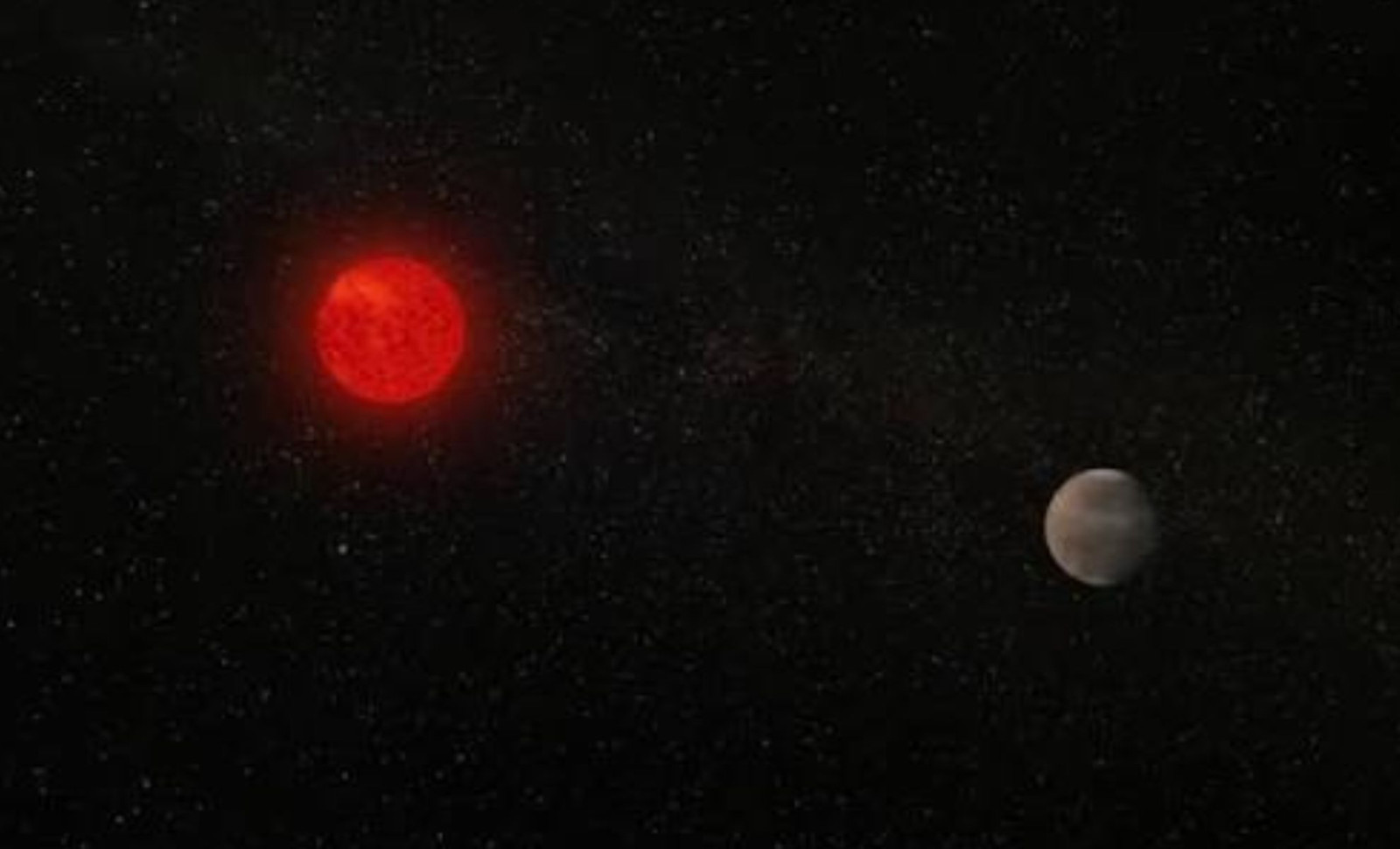
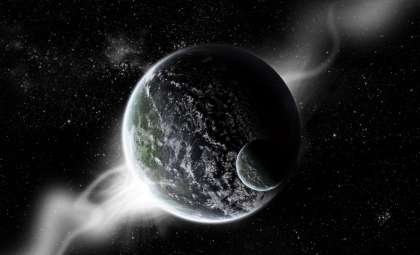
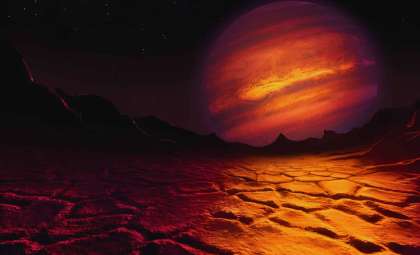
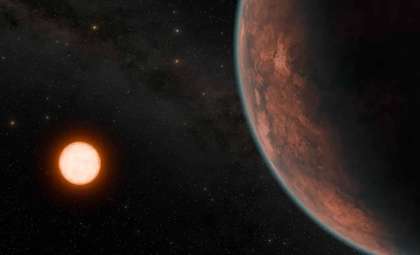
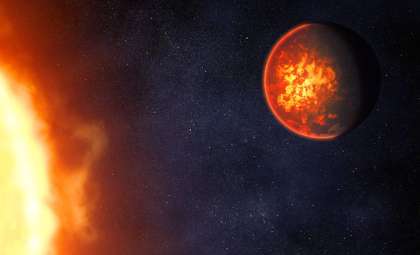
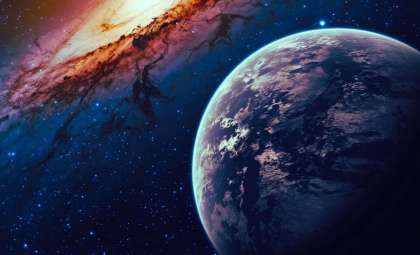
Researchers have discovered Gliese 3378b, a rocky super-Earth located in the habitable zone of a nearby red dwarf star just 25 light-years away. This exoplanet has quickly attracted attention as a compelling target for further investigation.
This planet boasts a mass roughly 2.3 times that of Earth and completes an orbit around its star every 21.45 days. While it sits comfortably within the region around its star where conditions might support liquid water, one crucial question remains unanswered: does Gliese 3378b still possess an atmosphere?
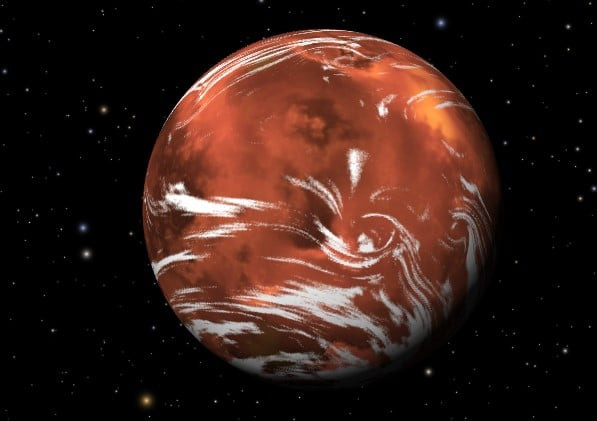
Also known by designations such as GJ 3378, LHS 1805, and TIC 322347050, the parent star is a red dwarf situated in the northern constellation of Camelopardalis. According to findings published in The Astrophysical Journal, this star system’s planet receives approximately 90% of the stellar radiation Earth gets from the Sun, positioning it well within the habitable zone where liquid surface water could potentially exist under the right atmospheric circumstances.

Red Dwarf Stars: Prime Targets in the Search for New Worlds
This discovery highlights the significance of planets orbiting red dwarfs, which are the most prevalent stellar type in our galaxy. Dr. Michael Endl, an astronomer at the University of Texas at Austin, notes that red dwarfs constitute about 70% of all the stars in the Milky Way, making them key environments for planet formation.
Dr. Endl emphasizes that studying the distribution and characteristics of planets around these stars is critical to enhancing our broader understanding of planetary systems throughout the galaxy.
Despite the seemingly vast distance of 25 light-years, Dr. Paul Robertson from the University of California, Irvine puts it into perspective by noting the Milky Way’s expanse is about 100,000 light-years across, which makes Gliese 3378b a relatively nearby neighbor on a cosmic scale.
Positioned in an Ideal Zone
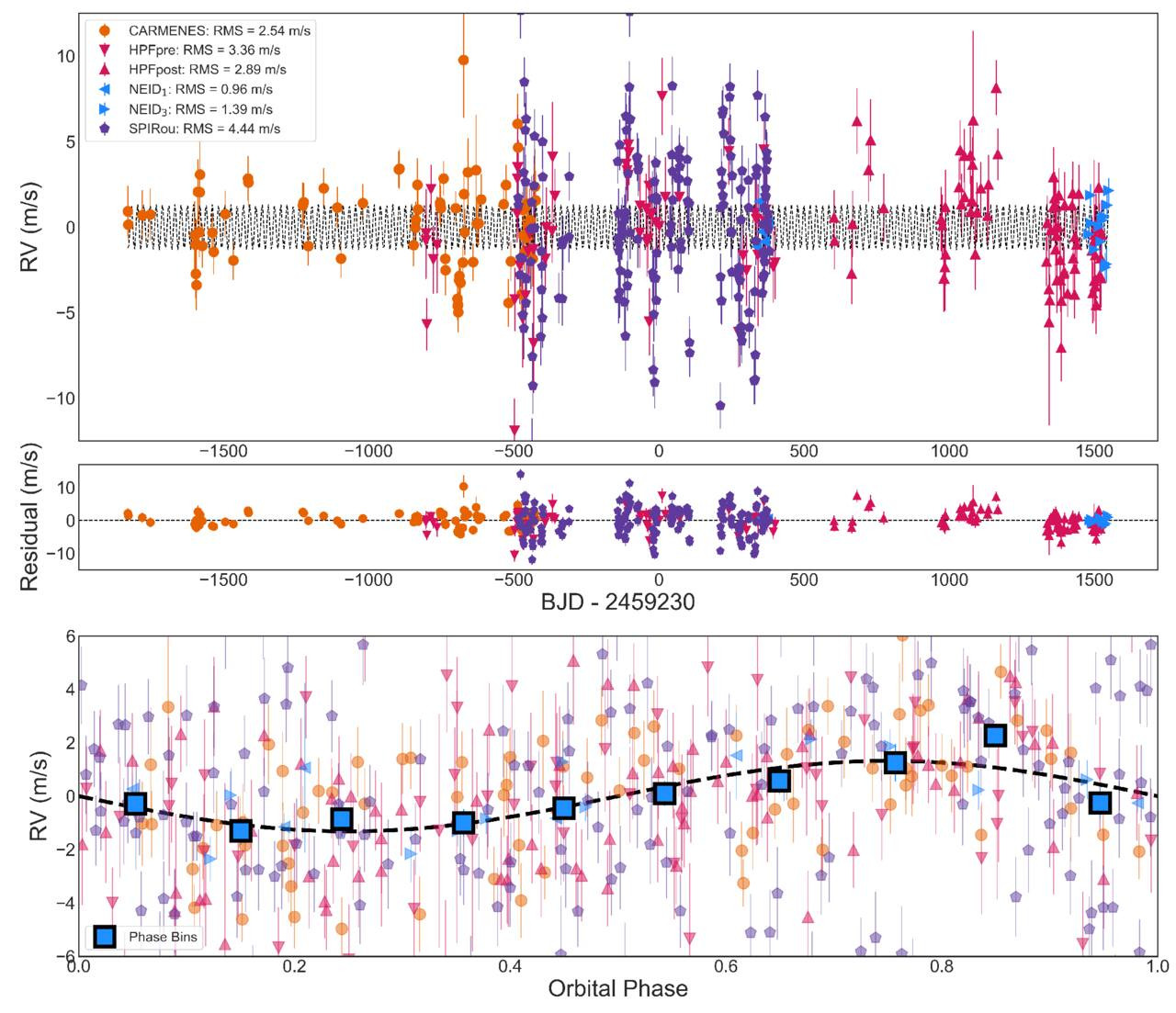
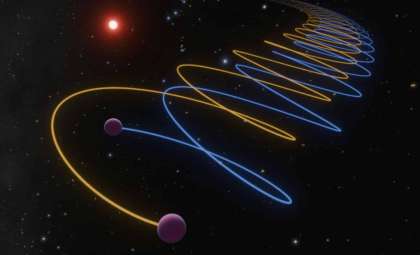
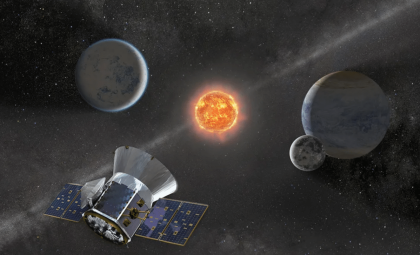
The team of scientists employed two sophisticated ground-based instruments to analyze the planetary system. Their data combined results from the Habitable-zone Planet Finder mounted on the Hobby-Eberly Telescope at McDonald Observatory in Texas, along with observations from the NEID Spectrometer on the WIYN Telescope located at Kitt Peak National Observatory in Arizona.
The published study confirmed that Gliese 3378b is about 2.3 times as massive as Earth and orbits its star every 21.45 days. Robertson described the planet this way:
“This super-Earth gets about 90% of the radiation from its host star as Earth gets from the Sun, so it’s right in the sweet spot.”
The planet's radiation intake keeps it within the habitable zone, where surface temperatures might be warm enough to sustain liquid water, assuming the right atmospheric components exist.
Atmospheric Composition Still Unclear
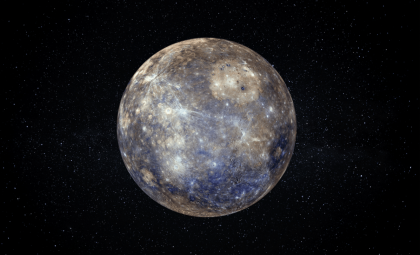
Though its orbit is promising, it remains unknown whether Gliese 3378b maintains an atmosphere. The study points out that the planet lies close to the so-called cosmic shoreline, an area where stellar radiation might gradually erode a planet’s atmosphere. The researchers compared its situation to that of Mars, which has lost much of its original atmosphere over time.
Scientists theorize that Gliese 3378b may have started with an atmosphere similar to Earth's but lost a significant portion due to radiation exposure. Robertson highlighted the importance of an atmosphere by likening Earth to an apple:
“If you scale the Earth down to the size of an apple, its atmosphere would be about as thick as the skin of the apple,” he said. “That’s just enough to maintain the kinds of surface pressures where you can have liquid water.”
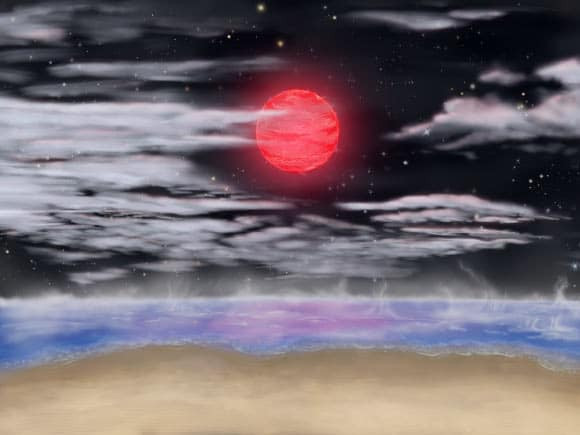
This finding adds a valuable candidate to the catalog of exoplanets potentially capable of supporting life. Gogod James, a student at UC Irvine, remarked that verifying the presence of an atmosphere conducive to life would pave the way for further studies focused on searching for biosignatures, liquid water, or other indicators that depend on both an atmosphere and stellar energy.
- Categories:
- Astronomy




0 comments
Sign in to Comment