
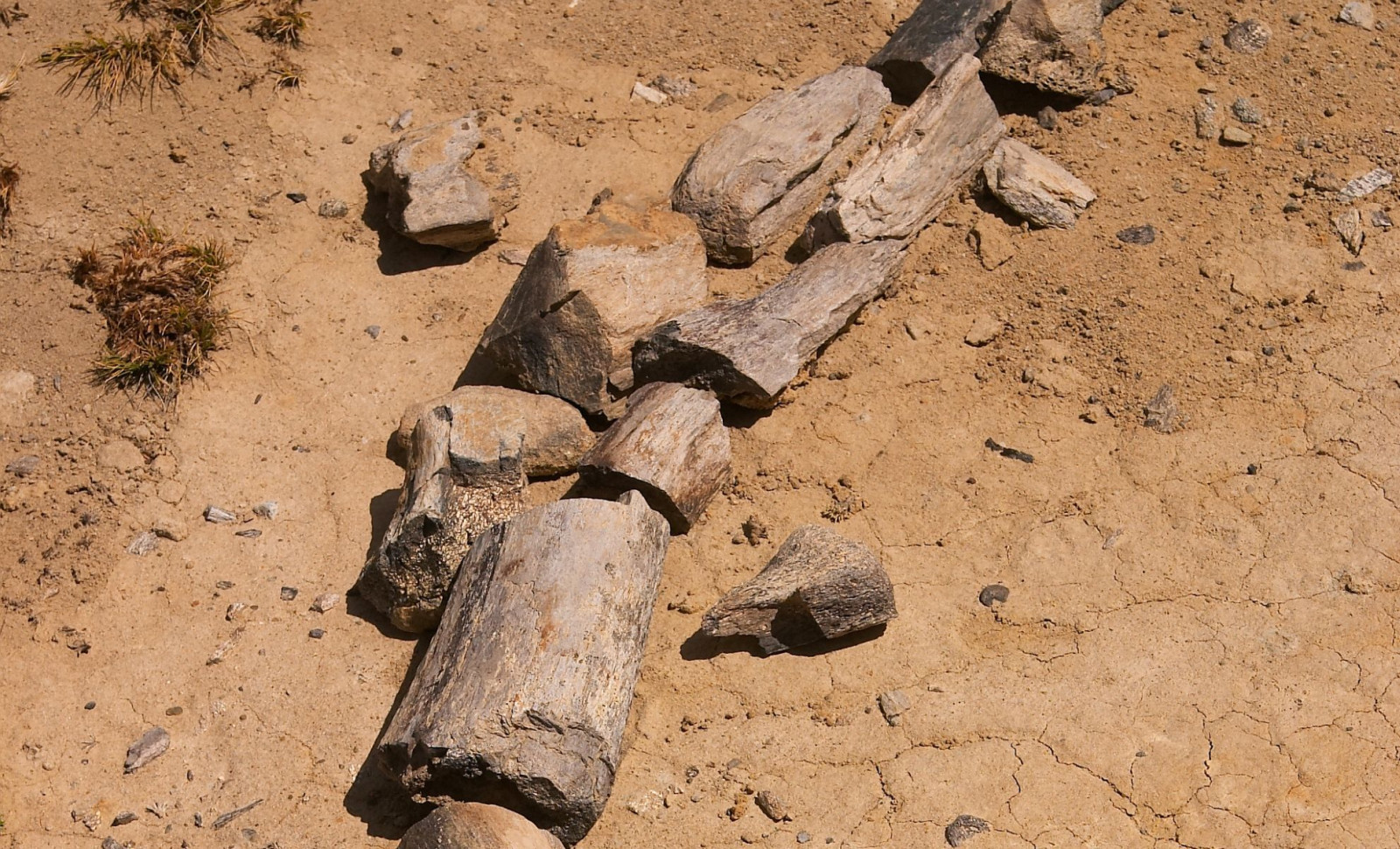
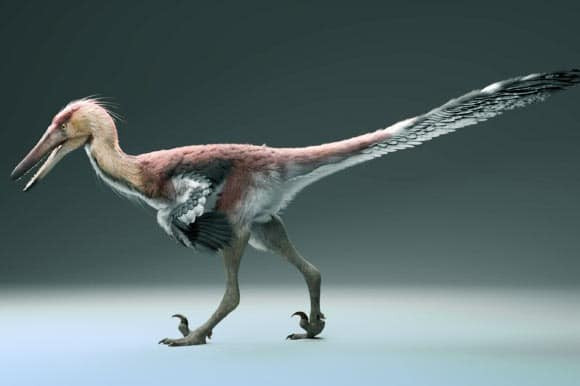
A recently identified dinosaur species from Patagonia is offering fresh insights into a relatively obscure group of carnivorous dinosaurs active near the close of the Cretaceous period. Dubbed Kank australis, this dinosaur appears to have been well-suited for life near aquatic environments like rivers and ponds, with anatomical traits pointing to a diet that may have heavily included fish.
The fossils were found in southern Argentina and belong to a feathered theropod related to the genus Velociraptor. This discovery fills a missing piece in the fossil record and provides new evidence suggesting some species adapted to ecological roles distinct from typical terrestrial predators.
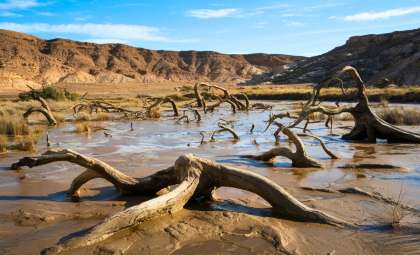
These remains come from the Chorrillo Formation close to El Calafate in Santa Cruz Province. Scientists estimate that Kank australis thrived approximately 70 million years ago during the Late Cretaceous in a landscape characterized by meandering rivers, streams, and seasonal wetlands.

An Addition to an Enigmatic Dinosaur Group
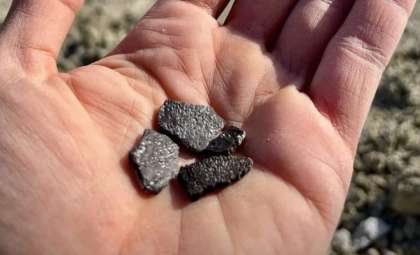
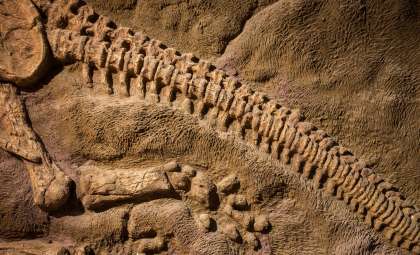
Measuring roughly 2.5 to 3 meters (8.2–9.8 feet) long, Kank australis was smaller than several of its contemporaries. The fossil assemblage includes teeth, vertebrae, and toe bones.
Published in the Journal of Vertebrate Paleontology, the study highlights that most known unenlagiids, a subgroup of bird-like theropods, have been unearthed in the Neuquén Basin of northern Patagonia.
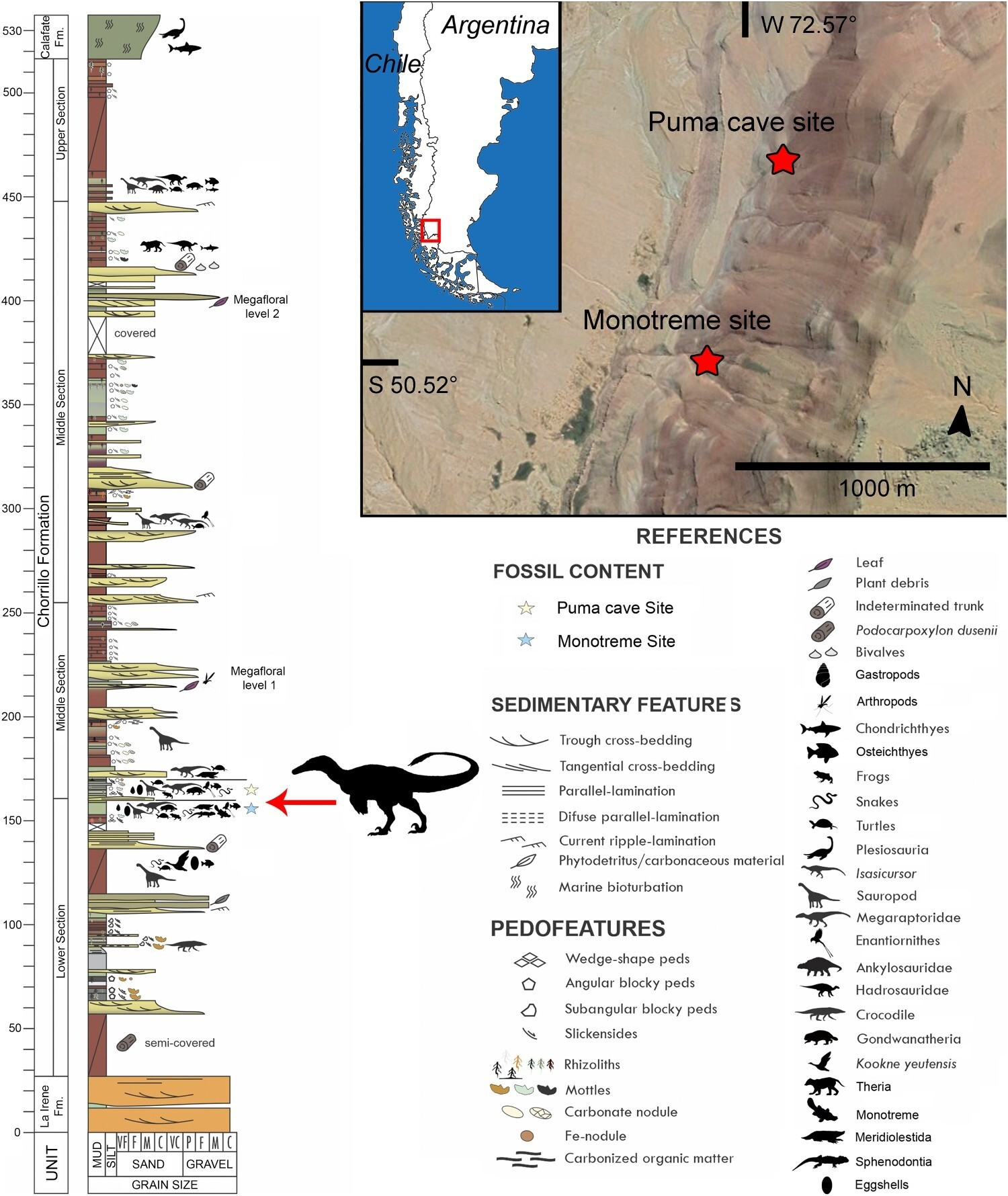
At least eight species of unenlagiids have been described from Cenomanian to Santonian age strata, while Austroraptor cabazai was previously the only known unenlagiid from Maastrichtian layers.
“Kank australis helps bridge a distributional gap for the Late Cretaceous of southern Patagonia, connecting known records from northern Patagonia and Antarctica, and showing that this family was dispersed across different latitudes of South America,” explained the authors.
Years of Fieldwork Culminate in Discovery
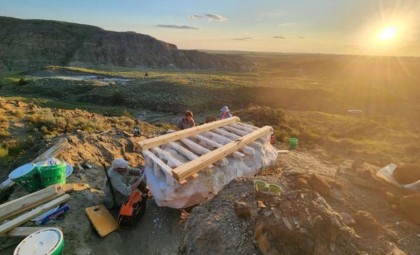
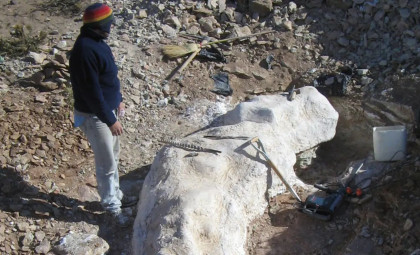
The identification of this new dinosaur was a gradual process. Initial fossil fragments surfaced in 2018 at La Anita farm, a site known for abundant plant and animal fossils.
Originally, the discovered fossils were too incomplete to determine if they belonged to a known or unknown species. Continued excavation efforts over subsequent years yielded additional specimens.
Dr. Matías Motta from the Bernardino Rivadavia Natural Sciences Museum noted that a cervical vertebra found in 2024 was key, offering definitive anatomical features that confirmed the fossils represented a previously unidentified unenlagiid.
The habitat supported aquatic vegetation such as water lilies and teemed with fish, insects, and various mollusk species. These elements would have created a favorable environment for a moderately sized predator.
Evidence Points to Fishing Behavior
Details of Kank australis anatomy provide clues about its lifestyle. Its cervical vertebrae possess specialized features linked to muscle attachment and protection of blood vessels in the neck, resembling traits found in modern birds with flexible neck movements, such as herons.
“This suggests Kank australis may have been an active fisher, contrasting with common portrayal of raptors as agile terrestrial predators, like Velociraptor from the northern hemisphere,” suggests the researchers.
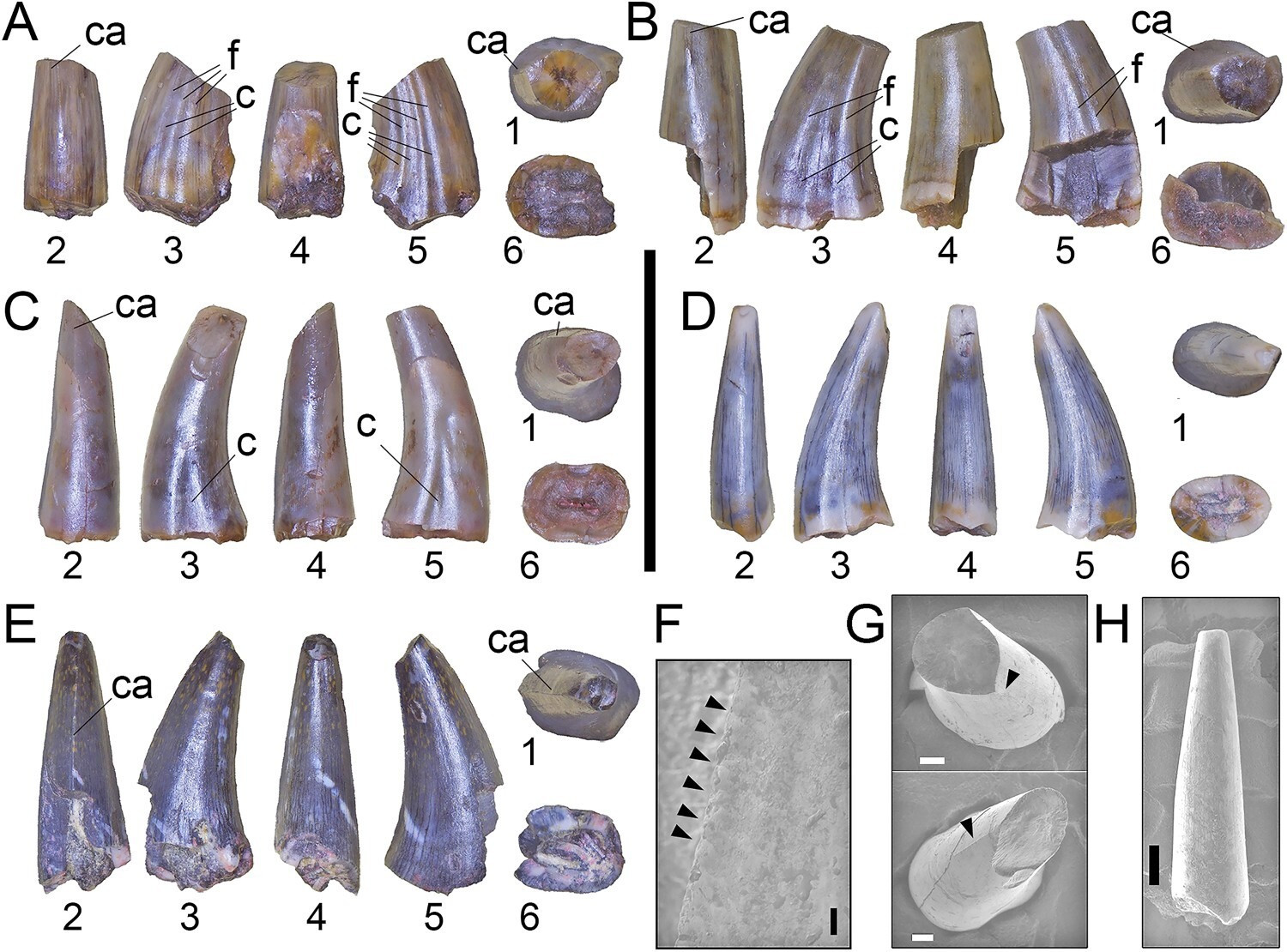
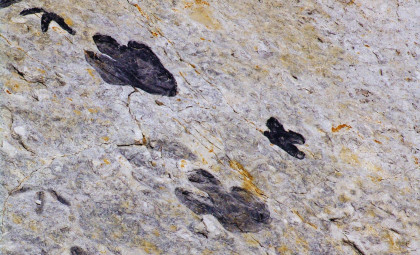
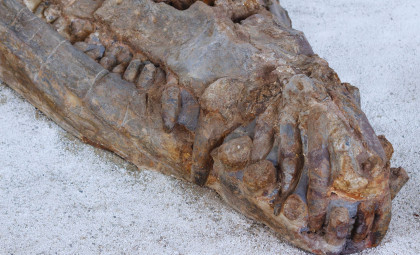
The dinosaur’s sharply ridged teeth and highly pneumatic neck vertebrae with internal air spaces support the idea it hunted fish. This theory is further bolstered by the presence of fish fossils found alongside its remains.
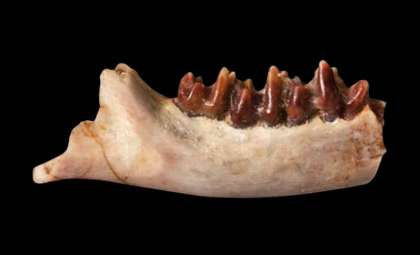
Its ecosystem also included frogs, lizards, turtles, and mammals such as Patagorhynchus pascuali. Notably, it coexisted with the enormous megaraptorid Maip macrothorax, a predator exceeding 10 meters (33 feet) in length.
- Categories:
- Science


0 comments
Sign in to Comment