
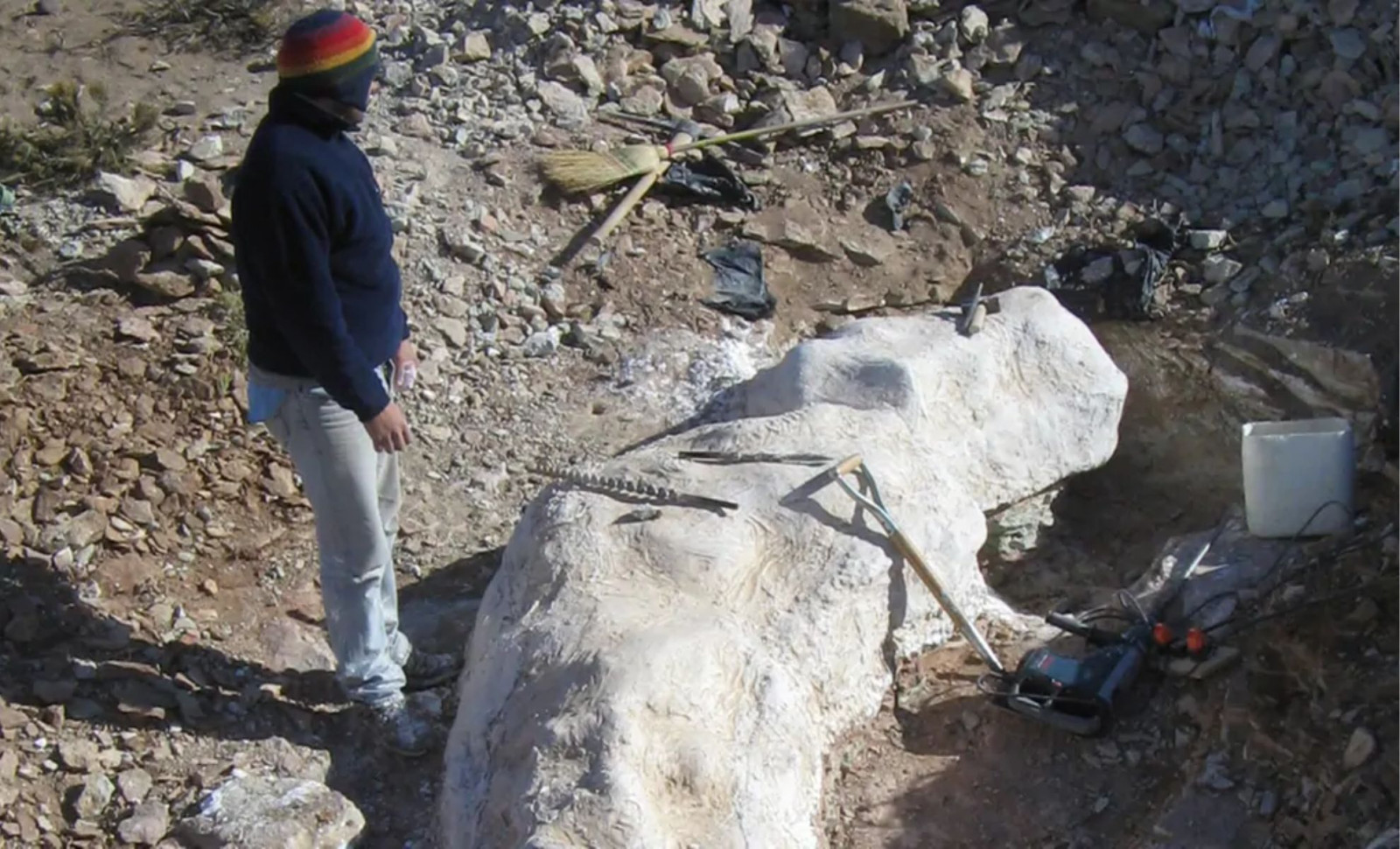
A recently identified long-necked dinosaur unearthed in southern Argentina offers new insights into the evolution of enormous herbivorous dinosaurs across ancient landmasses. Named Bicharracosaurus dionidei, this dinosaur displays an unexpected combination of characteristics from distinct dinosaur families, making it a remarkable and unprecedented discovery.
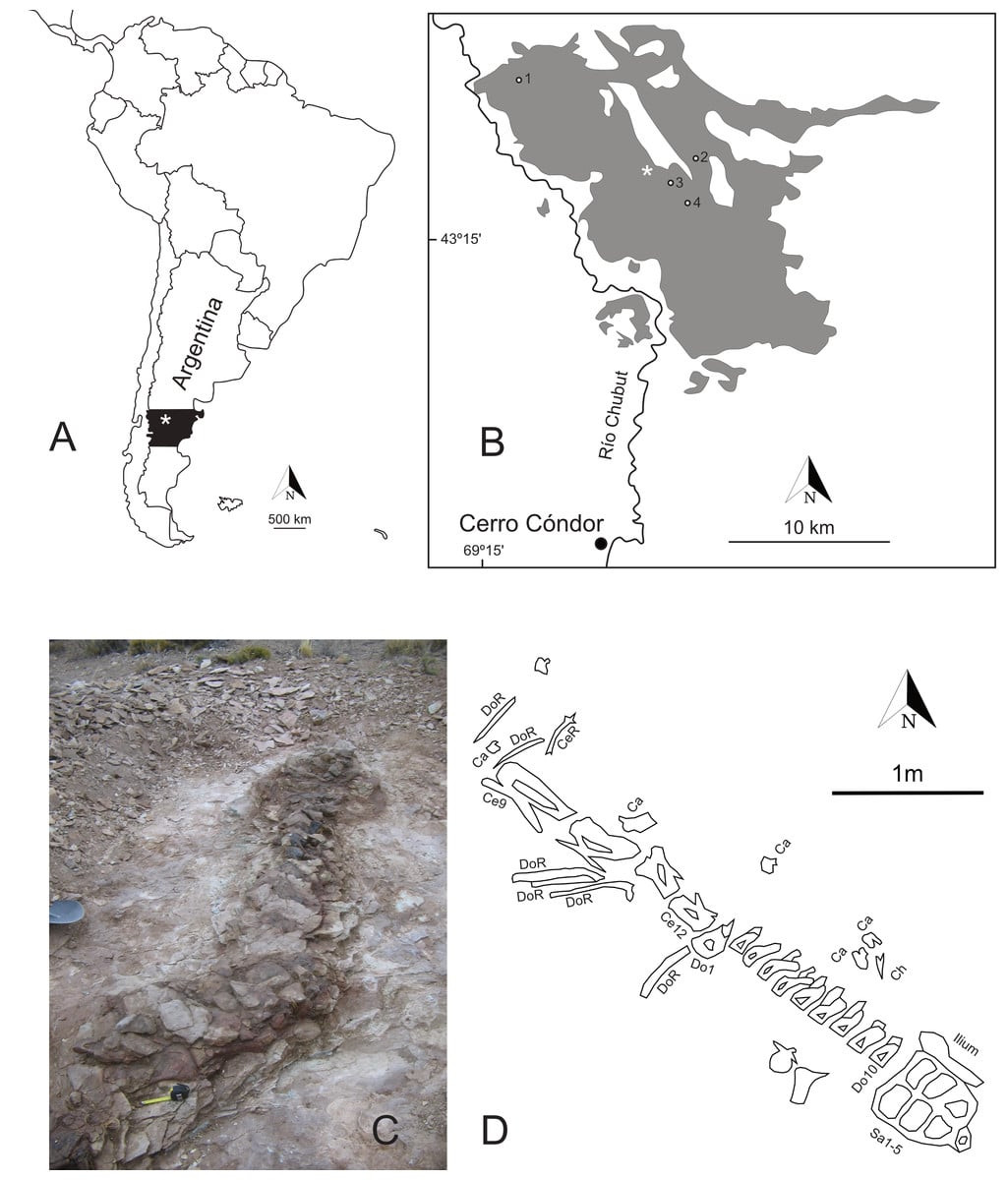
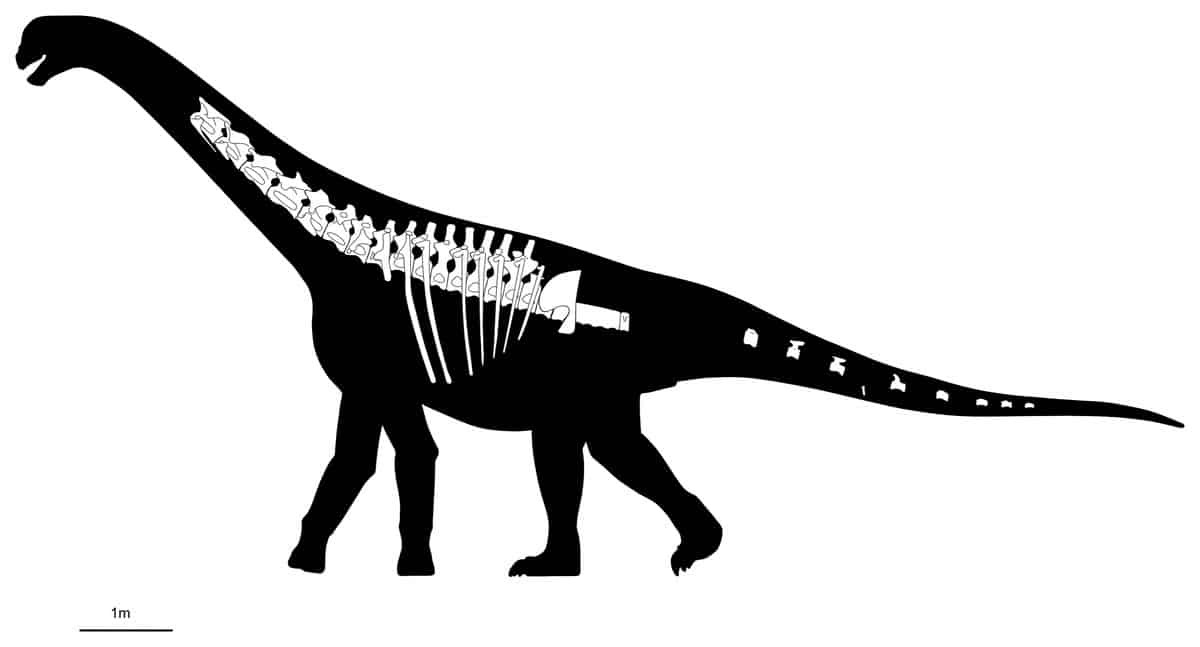
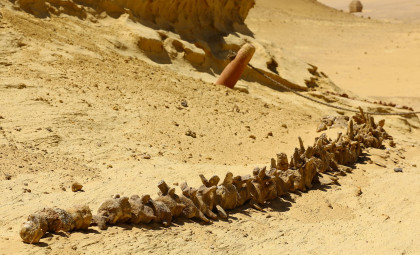
The specimen was excavated in the Chubut Province, with an age estimated at roughly 155 million years ago during the Late Jurassic period. Paleontologists retrieved over 30 vertebrae, plus ribs and a portion of the pelvis, belonging to an adult specimen measuring close to 20 meters in length. While not the largest sauropod ever found, it remains an impressive giant.
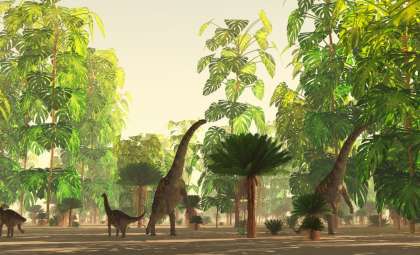
Well-known giants like Diplodocus and Brachiosaurus serve as classic examples when discussing long-necked dinosaurs. Much of what has been discovered about these creatures comes from fossils located primarily in North America and other northern hemisphere sites.

A Unique Combination of Features
The anatomical traits of Bicharracosaurus dionidei captivated researchers. As detailed in a PeerJ publication, several bones bear a striking resemblance to those of Giraffatitan, a brachiosaurid species discovered in Tanzania. This aligns it with one branch of the sauropod family tree.
Conversely, other skeletal parts, especially the dorsal vertebrae, closely parallel those of Diplodocus and its North American relatives. The coexistence of features from these different groups within a single species is rare and holds challenges for its classification.
Alexandra Reutter of LMU Munich, who spearheaded the research, notes that the study groups this dinosaur under the Brachiosauridae family.
“Our phylogenetic analyses of the skeleton indicate that Bicharracosaurus dionidei was related to the Brachiosauridae, which would make it the first Brachiosauridae from the Jurassic of South America,” she added.
Should these findings be confirmed, this would represent the inaugural identification of a brachiosaurid dinosaur from the Jurassic era in South America.
Patagonia: An Important Site for Fossil Discoveries
The fossil was uncovered in the Cañadón Calcáreo Formation located in Patagonia, a region gaining prominence in paleontological research. According to Oliver Rauhut from the Bavarian State Collections of Natural History, discoveries in this locale enable comparisons of dinosaur species across various continents.
“Our knowledge of the evolution of sauropods from the Late Jurassic has so far been based almost entirely on numerous fossil findings from North America and other sites in the Northern Hemisphere.”
For an extended period, southern hemisphere dinosaur fossil records were scarce, with Tanzania being one of the exceptional locations. Rauhut pointed out:
“The fossil site in the Argentine province of Chubut, from which Bicharracosaurus dionidei originates, provides us with important comparative material, allowing us to continuously supplement and reevaluate our understanding of the evolutionary history of these animals, particularly in the Southern Hemisphere.”
Rauhut explained that fossils like these are crucial for continually updating how scientists perceive sauropod distribution across the globe.
A Shepherd’s Chance Discovery
The initial bones of Bicharracosaurus dionidei were stumbled upon by a local shepherd named Dionide Mesa, who found the prehistoric remains on his property in Patagonia. The species name “dionidei” honors him, while the genus name bicharraco is a colloquial Spanish term meaning “big animal,” perfectly fitting for this enormous creature.
The fossils are currently housed at the Museo Paleontológico Egidio Feruglio in Trelew. Scientists emphasize that discoveries like this can transform our broader understanding of dinosaur evolution.
- Categories:
- Science



0 comments
Sign in to Comment