
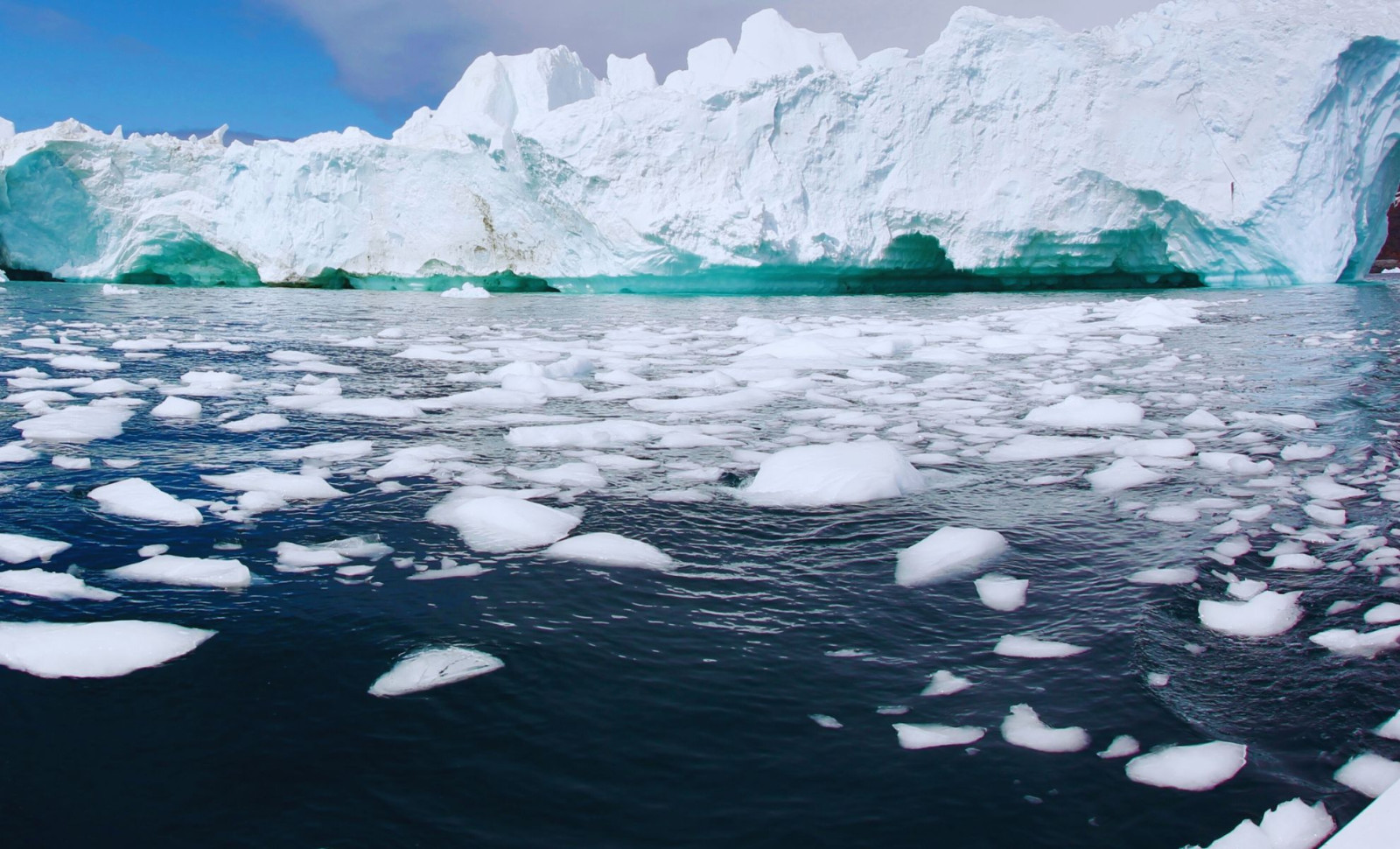
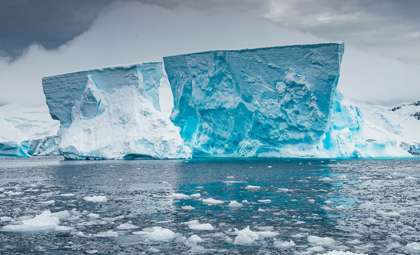
A groundbreaking drilling expedition beneath the West Antarctic Ice Sheet has exposed signs that this area was formerly an open ocean. Scientists aim to leverage this discovery to better forecast future sea level changes.
An international team of 29 researchers launched this challenging mission to decode the ice sheet’s past dynamics. As a key factor potentially contributing up to 4 to 5 meters to global sea level rise, understanding its history is vital. By extracting sediment cores, they hope to reveal how the ice sheet formerly receded.
Delving to Historic Depths
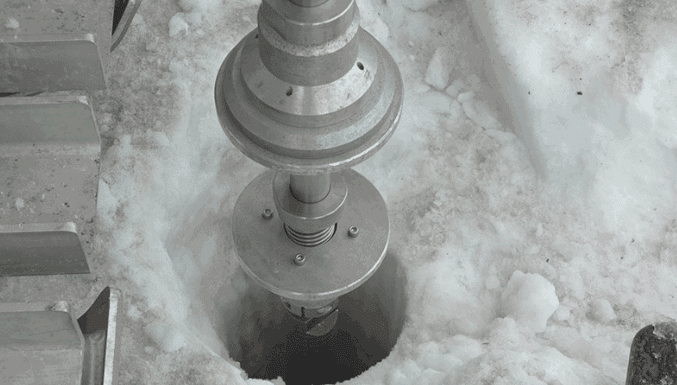
Nature reports that the drill penetrated through 523 meters of ice and into 228 meters of ancient sediment and rock. This strata provides an invaluable timeline of environmental shifts. While many samples matched what would be expected under ice cover, the team was astonished to discover marine fossils and shell remnants characteristic of open ocean habitats.

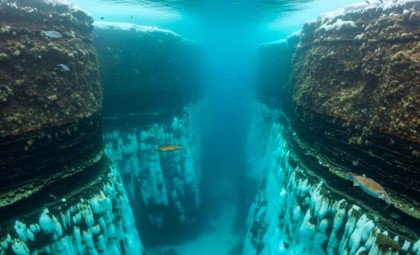
These findings strongly imply that parts of the West Antarctic Ice Sheet once lay beneath open water, rather than a continuous ice sheet. The presence of marine life, which depends on sunlight, points to significantly warmer conditions millions of years ago.
“Some of the sediment was typical of deposits that occur under an ice sheet like we have at Crary Ice Rise today,” explained co-chief scientist Molly Patterson from Binghamton University. “But we also saw material that’s more typical of an open ocean, an ice shelf floating over ocean, or an ice-shelf margin with icebergs calving off.”
Unlocking Antarctica’s Ancient Climate Records
The retrieved core samples shed light on conditions spanning more than 23 million years, covering eras when global temperatures far exceeded those of today. According to Huw Horgan, another lead scientist from Victoria University of Wellington, the data reveal intervals when temperatures soared over 2°C above pre-industrial averages.
“It was a great feeling when that first core came up, but then you start worrying about the next core and the next core after that. So, it’s stressful right up until the end. We’re thrilled to have learnt from our previous challenges and to have successfully retrieved this geological record that will help the world prepare for the impacts of climate change,”
By studying sediment layers, scientists can track cycles of ice sheet expansion and contraction, painting a clearer image of how the West Antarctic Ice Sheet has historically responded to climate fluctuations.
- Categories:
- Science





0 comments
Sign in to Comment