
Microscopic zircon grains unearthed in Western Australia reveal that Earth's continental crust might have formed as early as 4.4 billion years ago, considerably predating earlier estimates. Historically, scientists thought Earth was enveloped in a thick, molten "stagnant lid" that impeded continent formation. Yet, these zircon analyses suggest a far more active early Earth surface, with continental crust developing well before conventional plate tectonics emerged.
Minute Time Capsules Shed Light on Earth’s Ancient Surface
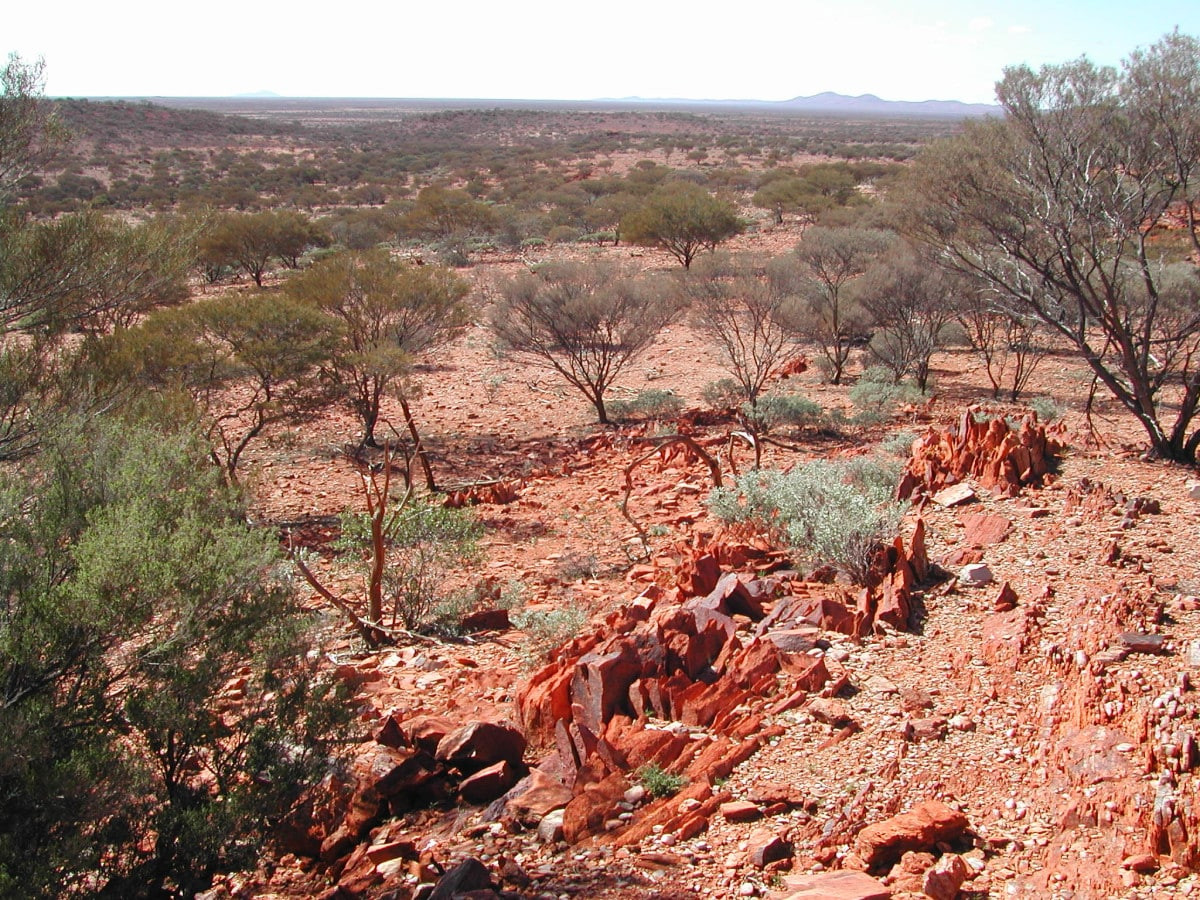
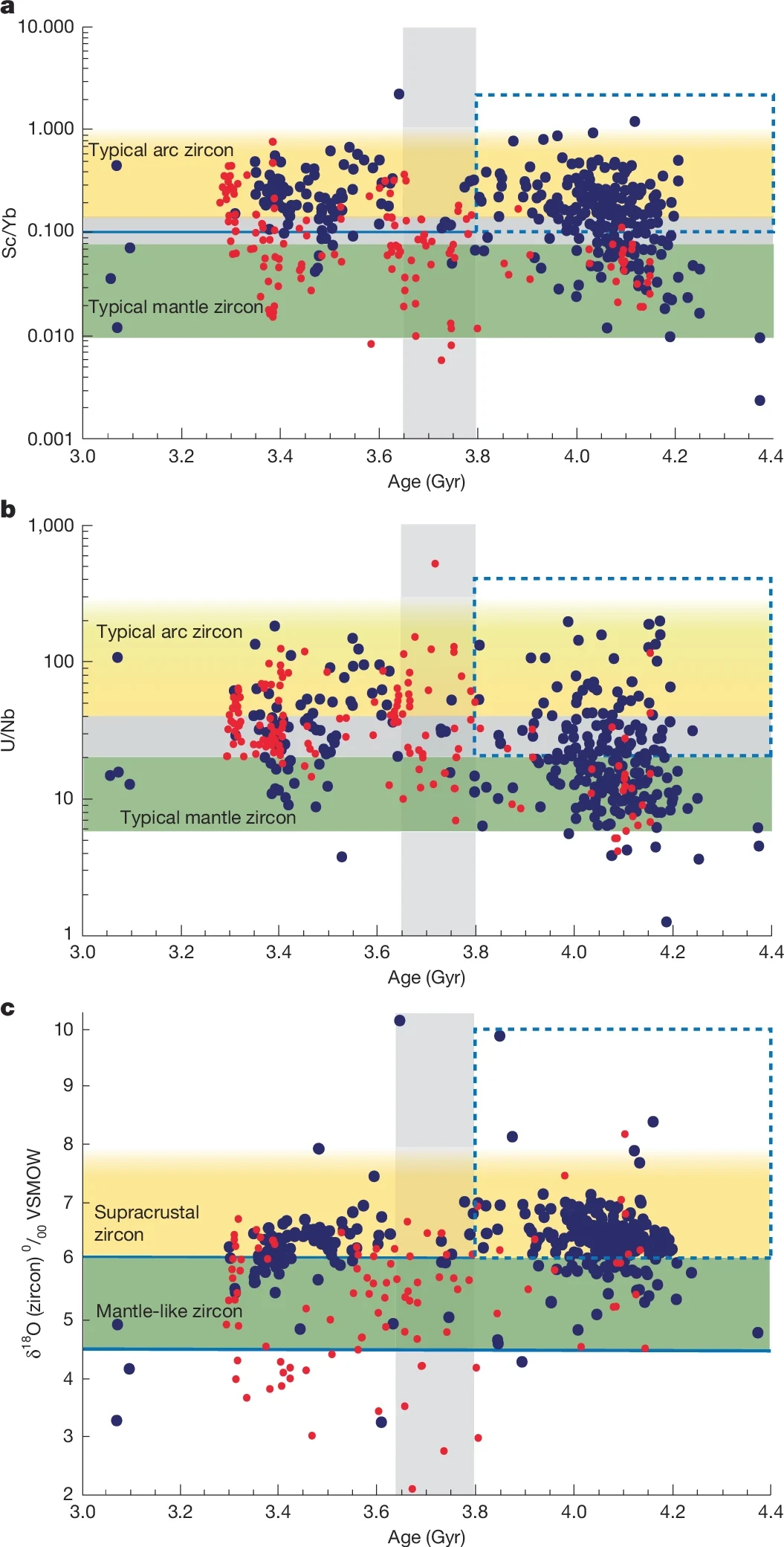
Zircons, minuscule but exceptionally resilient minerals, have endured through billions of years, serving as vital records of early Earth conditions. A research team led by Professor John Valley at the University of Wisconsin-Madison examined zircons from the Jack Hills region of Western Australia, some dating back approximately 4.4 billion years. Their findings, published in Nature, indicate these minerals formed under conditions akin to continental crust rather than deep within the mantle, challenging previous assumptions.
By analyzing elemental compositions locked inside these zircons, scientists can reconstruct the environment of their origin. When compared with zircons from South Africa’s Greenstone Belt, which marks the end of the Hadean Eon, notable compositional differences emerged, pointing to distinct formation conditions.

“What we found in the Jack Hills is that most of our zircons don’t look like they came from the mantle,” stated Valley. “They look like continental crust. They look like they formed above a subduction zone.”
Did Continental Crust Exist on a Fiery Young Earth?
The zircon evidence suggests similarities to minerals formed in environments above subduction zones, where tectonic plates converge and overlap. This implies that, rather than a uniform stagnant lid, portions of Earth’s early surface underwent complex geological activities much earlier than assumed.
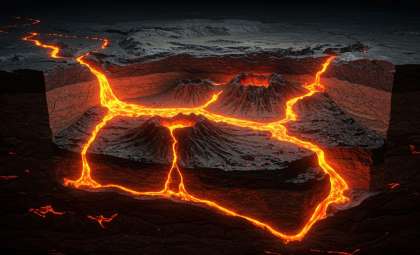
Rather than suggesting fully developed plate tectonics operating 4.4 billion years ago, Valley and colleagues propose that mantle plumes—localized upwellings of molten rock—may have partially melted the crust, causing surface layers to subduct into the mantle. These layers, enriched with water delivered by comet impacts, might have altered mantle chemistry and contributed to early continental crust formation. As Valley explained:
“This is evidence for the first continents and mountain ranges. It’s not plate tectonics, but you have surface rocks sinking down into the mantle. We can have both a stagnant-lid-like environment and a subduction-like environment operating at the same time, just in different places.”
Did Early Landmasses Provide Habitable Conditions?
If early continents existed, even as small landforms, they could have supplied more stable habitats compared to the fragile volcanic islands once thought to be Earth's sole hospitable regions. Valley notes:
“We propose that there was about 800 million years of Earth history where the surface was habitable, but we don’t have fossil-evidence and don’t know when life first emerged on Earth,” he said in a statement.
While this research does not pinpoint the exact origin of life, it expands the potential settings where life might have arisen. The presence of stable landmasses, as opposed to isolated oceanic islands, revises existing theories on early life’s environmental context.
- Categories:
- Science







0 comments
Sign in to Comment